Beskrivelse
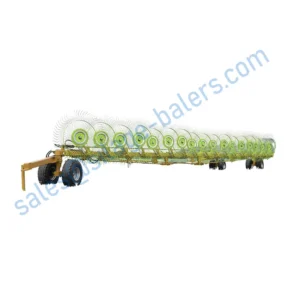
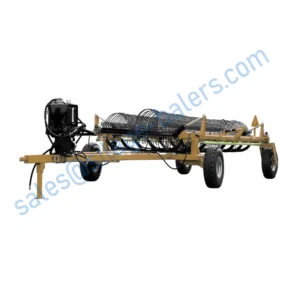
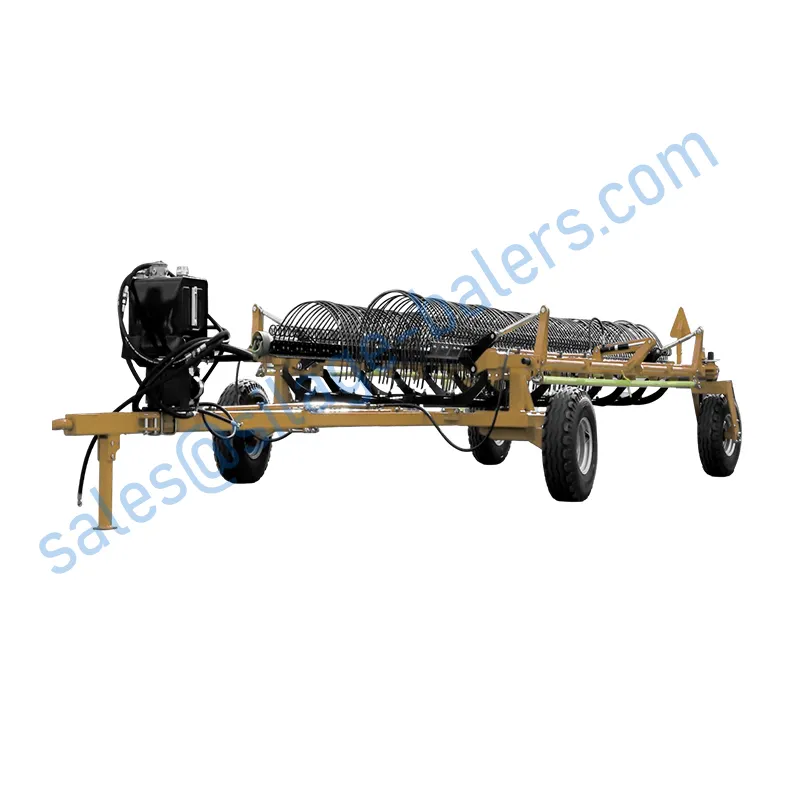
I moderne foderproduktion definerer effektivitet, ensartethed og mekanisk pålidelighed succes. 9LH-12 Lateral Rake er konstrueret til at imødekomme de skiftende behov hos moderne høproducenter, der kræver præcisionsrivning uden at gå på kompromis med afgrødens integritet. Denne laterale rive er designet til professionelle og semi-professionelle landbrugsmiljøer og integrerer strukturel robusthed med raffineret kinematisk balance, hvilket sikrer ensartet skårdannelse under forskellige markforhold.
Teknisk specifikation
| Serienummer | Punkt | Enhed | Specifikation |
|---|---|---|---|
| 1 | Modelnavn | / | 9LH-12 Trækkraft Lateral Rivemaskine |
| 2 | Strukturel form | / | Maskinens laterale type |
| 3 | Tilkoblingsmetode | / | Trækkrafttype |
| 4 | Matchende kraft | kW | 25-44 |
| 5 | Rivebredde | m | 12 |
| 6 | Driftshastighed | km/t | 5~10 |
| 7 | Produktivitet | hm²/t | 6~12 |
| 8 | Antal skærende tænder | stk. | 168 |
| 9 | Antal operatører | person | 1 |
| 10 | Strukturel masse | kg | 1510 |
| 11 | Miss Raking Rate | ≤ | 3% |
| 12 | Samlede dimensioner (længde × bredde × højde) | mm | – Arbejdstilstand: 5500 × 12000 × 1350 – Transporttilstand: 9400×3400×1750 |
Produktdefinition af 9LH-12 lateral rive
9LH-12 Lateral Rake er en traktormonteret grovriver, der er designet til at komprimere afskåret foder i rene, luftede skår. Den arbejder lateralt i forhold til kørselsretningen, hvilket muliggør effektiv høopsamling, samtidig med at den minimerer bladknusning og næringsstoftab. Som et specialiseret stykke høslætningsudstyr er den optimeret til mellemstor til storskala grovfoderhåndtering.
Løste problemer og praktiske anvendelser
I høproduktion kan ujævne skår, jordforurening og for lang tørretid reducere foderkvaliteten alvorligt. Den laterale rive løser disse problemer ved at løfte og styre foderet med kontrolleret tandindgreb, hvilket forhindrer jordindtrængning og bevarer stænglens integritet. Den bruges i vid udstrækning til at rive græshø, lucerne, blandede foderafgrøder og andre ensilageforberedelsesmaterialer. Denne hørive til landbrug understøtter hurtigere ballepresningscyklusser, forbedret luftstrøm og ensartet fodertæthed.
Vigtigste fordele ved 9LH-12 lateral rive
Optimeret skårens ensartethed
Rivegeometrien sikrer symmetrisk foderjustering, hvilket fremmer jævn tørring og forenkler opsamlingen af ballepresseren. Ensartede skår reducerer maskinens belastning under ballepresning og forbedrer gennemløbshastigheden.
Reduceret bladtab og afgrødeskader
Gennem kalibreret tandfleksibilitet og kontrolleret rotationshastighed minimerer den laterale rive mekanisk aggression. Dette er især fordelagtigt for sarte fodersorter som lucerne, hvor bladbestandighed er afgørende for næringsværdien.
Høj strukturel holdbarhed
9LH-12 sideriven er fremstillet med forstærkede stålrammer og korrosionsbestandige belægninger og modstår langvarig eksponering for støv, fugt og ultraviolet stråling. Denne holdbarhed resulterer i forlænget levetid og reducerede vedligeholdelsesintervaller.
Operationel kompatibilitet
Enheden er designet som en 9LH-12 siderive til traktorintegration og er kompatibel med en bred vifte af traktorers hestekræftklasser. Dens fleksible anhængertrækssystem muliggør problemfri tilslutning uden omfattende ændringer.
Forbedret produktivitet i marken
Ved at dække bredere arbejdsbredder med færre overkørsler reducerer riven brændstofforbruget og arbejdstiden betydeligt. Denne effektivitet gør den til en af de bedste sideriver til høhøstning i omkostningsbevidste operationer.
Funktionsprincip for 9LH-12 lateral rive
Betjeningsmekanismen for 9LH-12 Lateral Rake er baseret på synkroniseret rotation af tænderne, der drives af traktorens kraftudtagssystem. Når riven bevæger sig fremad, griber buede fjedertænder fat i foderlaget, løfter det og forsigtigt forskyder det sidelæns. Centrifugalbevægelse og tændgeometri styrer foderet ind i en samlet skårrække, samtidig med at overskydende jord og snavs kan falde væk. Den sidelæns udkastningskonfiguration sikrer kontinuerlig rivning uden overlappende passager, hvilket opretholder ensartet afgrødeflow og minimerer markkomprimering.
Primære anvendelsesscenarier
Kommercielle høproduktionsgårde
Store høproducenter drager fordel af rivens høje kapacitet og konstante produktion, hvilket muliggør hurtig markomsætning i perioder med spidsbelastning i høsten.
Mejeri- og husdyrbrug
Drift med fokus på foderkvalitet er afhængig af rene, ensartede skår for at bevare næringsindholdet og reducere risikoen for fordærv.
Lucerne- og bælgplantefodermarker
De skånsomme håndteringsegenskaber gør den velegnet til skrøbelige afgrøder, hvor proteinretention er en prioritet.
Blandede afgrødefodersystemer
Riven tilpasser sig godt til heterogene fodersammensætninger og sikrer en afbalanceret skårtæthed på tværs af varierende afgrødeteksturer.
Sæsonbestemte kontraktlige rivetjenester
Specialfremstillede operatører sætter pris på maskinens pålidelighed og hurtige opsætning, hvilket gør det muligt for dem at betjene flere kunder effektivt.
Lateral rive til små landbrug
Trods sin professionelle konstruktion er riven stadig tilgængelig for små og mellemstore landbrug, der søger pålideligt høslætningsudstyr uden overdreven kompleksitet.
Sådan vælger du den rigtige 9LH-12 laterale rive
Vurder traktorkompatibilitet
Sørg for, at traktorens hestekræfter og hydrauliske ydelse er i overensstemmelse med rivens driftskrav for at opretholde en stabil ydeevne.
Evaluer feltstørrelse og topografi
Større eller ujævne marker drager fordel af bredere rivebredder og forstærkede affjedringssystemer.
Overvej fodertype
Afgrødens skrøbelighed bør påvirke tændernes fleksibilitet og præferencer for rotationshastighed.
Analyser vedligeholdelsestilgængelighed
Vælg modeller med lettilgængelige smørepunkter og modulære komponenter for at forenkle vedligeholdelsen.
Gennemgå langsigtede driftsomkostninger
Tag højde for holdbarhed, tilgængelighed af reservedele og servicesupport, når du beregner de samlede ejeromkostninger.
Vedligeholdelsesmetoder til 9LH-12 lateral rive
Rutinemæssig vedligeholdelse er afgørende for vedvarende ydeevne. Operatører bør udføre daglige visuelle inspektioner af tænder, lejer og fastgørelseselementer før brug. Smøring af bevægelige led skal følge producentens tidsplan for at forhindre for tidlig slitage. Efter hver sæson anbefales en omfattende rengøring og korrosionsinspektion. Korrekt opbevaring uden for sæsonen i et tørt, ventileret miljø forlænger udstyrets levetid yderligere.
Kundeanmeldelser fra forskellige lande
Som en mellemstor høproducent i Midtvesten er vores drift i høj grad afhængig af timing og ensartethed. Siden integrationen af 9LH-12 sideriven i vores arbejdsgang har vi bemærket en klar forbedring af skårenes renhed og ensartethed. Maskinen håndterer tykt græshø uden tilstopning og efterlader minimale rester. Det, der imponerede os mest, er, hvor skånsomt den behandler lucerne, hvilket reducerer bladtab betydeligt sammenlignet med vores tidligere grovfoderrivemaskine. Vedligeholdelsen har været ligetil, og nedetiden har været minimal, selv i højsæsonen. Riven har vist sig at være en pålidelig partner til at forbedre den samlede foderkvalitet og driftseffektiviteten.
– John Miller, USA
I Sydtyskland er vejrvinduerne korte, og effektivitet er afgørende. Vi bruger primært 9LH-12 sideriven til blandede foderafgrøder i kuperet terræn. Dens stabilitet på ujævnt terræn skiller sig ud, og sideudkastet giver os mulighed for at danne præcise skår, der tørrer jævnt. Brændstofforbruget er faldet, fordi der er behov for færre overkørsler. Byggekvaliteten føles robust, og komponenterne viser minimal slitage efter omfattende brug. Til vores mejerifokuserede drift har denne hørive leveret ensartede resultater og retfærdiggjort sin investering.
– Lukas Schneider, Tyskland
Vi driver en familiedrevet gård i Norditalien og fokuserer på hø af høj kvalitet til specialhusdyr. 9LH-12 sideriven er integreret problemfrit med vores eksisterende traktorflåde. Dens justerbarhed giver os mulighed for at finjustere riveintensiteten baseret på afgrødeforholdene. Vi sætter især pris på den reducerede jordforurening, hvilket har forbedret foderets renhed. Kundesupport og tilgængelighed af reservedele har været pålidelig, hvilket gør dette høfremstillingsudstyr til et praktisk langsigtet valg.
– Marco Bianchi, Italien
I Australien kræver store marker og tørre forhold udstyr, der kan håndtere støv og varme. 9LH-12 sideriven har fungeret pålideligt i flere sæsoner. Dens ramme viser fremragende korrosionsbestandighed, og rivesystemet opretholder fleksibiliteten på trods af konstant eksponering. Skårdannelsen forbliver ensartet selv ved højere driftshastigheder. For entreprenører som os leverer denne rive den holdbarhed og produktivitet, der er nødvendig for at opfylde kundernes forventninger.
– David Thompson, Australien
Vores lille gård i Argentina havde brug for en løsning, der balancerede ydeevne og overkommelige priser. 9LH-12 sideriven overgik forventningerne ved at tilbyde professionel kapacitet uden overdreven kompleksitet. Den har forenklet vores høslætningsproces og reduceret arbejdstiden. Maskinens enkle vedligeholdelse og pålidelige drift gør den ideel til voksende virksomheder, der søger skalerbare løsninger.
– Carlos Fernández, Argentina
Hvorfor vælge vores produkt
Vores engagement i hurtig tilpasning sikrer, at hver 9LH-12 lateral rive er skræddersyet til specifikke driftskrav. Med en omfattende treårig garanti drager kunderne fordel af langvarig sikkerhed og reduceret risiko. Globale hurtige leveringsmuligheder muliggør rettidig levering uanset placering, mens vores responsive eftersalgsservicenetværk sikrer løbende support gennem hele udstyrets levetid.
Produktionsstyrke og opfordring til handling
Med avancerede produktionsfaciliteter og strenge kvalitetskontrolsystemer lægger vores produktionsproces vægt på præcisionsteknik og materialeintegritet. Konkurrencedygtige prisstrukturer, fleksibel tilpasning og dedikerede serviceteams kendetegner vores tilbud på det globale marked. Ud over 9LH-12 Lateral Rive leverer vi et komplet udvalg af tilbehør, reservedele og relateret foderudstyr til at understøtte omfattende høslætningsløsninger. Udforsk potentialet i denne laterale rive i dag, og kontakt os for at forbedre din foderproduktion med tillid og effektivitet.
Ofte stillede spørgsmål
1. Hvilken traktorkraft kræves der for at betjene denne siderive?
De 9LH-12 siderive til traktor Anvendelser kræver typisk moderate hestekræfter, hvilket gør den velegnet til en bred vifte af landbrugstraktorer. Korrekt effekttilpasning sikrer stabil drift og optimal riveeffektivitet.
2. Er denne rive egnet til lucerne?
Ja, rivens fleksibilitet i tænderne og kontrollerede bevægelse gør den ideel til sarte afgrøder, da den minimerer bladtab og bevarer næringsværdien.
3. Hvordan er den sammenlignet med rotorriver?
Sammenlignet med rotorsystemer giver sideriver ofte renere skår med reduceret jordkontakt, især under tørre forhold.
4. Kan den bruges som en siderive til små landbrug?
Dets fleksible design og håndterbare vedligeholdelseskrav gør den velegnet til små og mellemstore virksomheder.
5. Hvilken vedligeholdelsesfrekvens anbefales?
Rutinemæssige inspektioner før brug og planlagt smøring sikrer langsigtet pålidelighed og ydeevne.
6. Er den kompatibel med ujævnt terræn?
Den forstærkede ramme og det afbalancerede design muliggør stabil drift på let kuperede marker.
7. Hvad gør den til en af de bedste sideriver til høhøstning?
Dens balance mellem holdbarhed, skånsom foderhåndtering og driftseffektivitet adskiller den fra andre.
8. Understøtter den forskellige fodertyper?
Ja, den klarer sig godt på tværs af græs, hø, bælgfrugter og blandede foderafgrøder.
9. Hvordan gavner lateral udledning tørring?
Laterale skår fremmer en jævn luftstrøm, hvilket reducerer fugtighedsbevaring og tørretid.
10. Er reservedele let tilgængelige?
Vi opretholder en global forsyningskæde for at sikre rettidig adgang til erstatningskomponenter.
11. Hvilken garantidækning er inkluderet?
En omfattende treårig garanti dækker fabrikationsfejl og nøglekomponenter.
12. Kan riven tilpasses?
Ja, der er tilpasningsmuligheder, der passer til specifikke mark- og traktorkrav.
13. Er der behov for træning til drift?
Grundlæggende kendskab til høslætningsudstyr er tilstrækkeligt for effektiv brug.
14. Hvordan forbedrer det ballepresserens effektivitet?
Ensartede skår reducerer belastningen på ballepresseren og forbedrer opsamlingskonsistensen.
15. Hvilke brancher drager størst fordel af denne grovfoderrivemaskine?
Mejeri-, husdyr-, kontraktlandbrugs- og kommercielle høproducenter får betydelige fordele af dens ydeevne.
redigeret af gzl