Περιγραφή
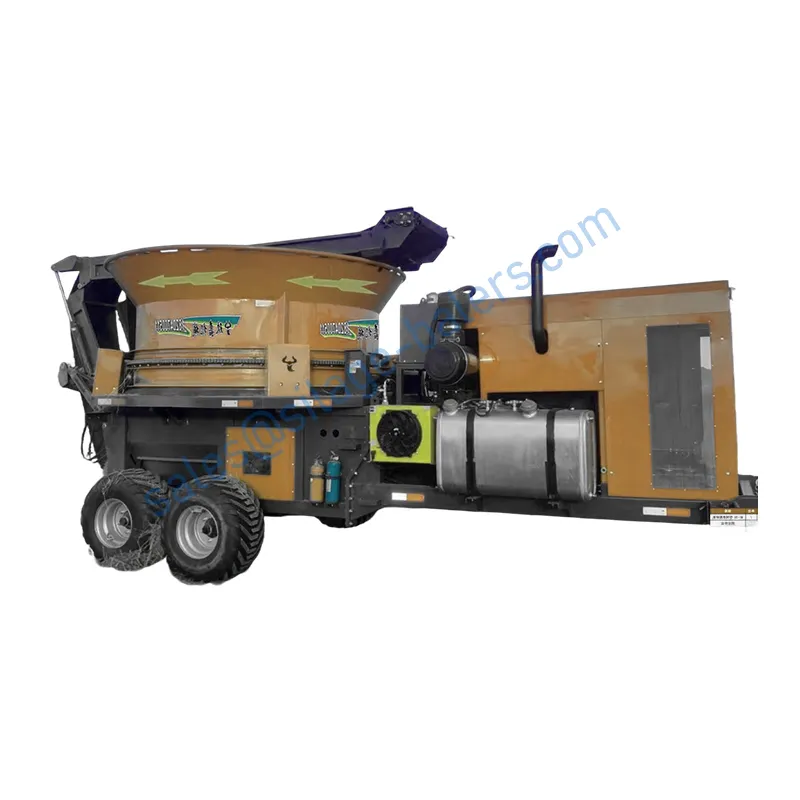
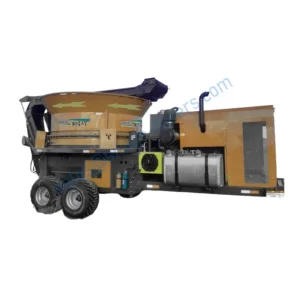
Οι μηχανές άλεσης ζωοτροφών είναι απαραίτητα εργαλεία στη σύγχρονη γεωργία, καθώς επεξεργάζονται αποτελεσματικά διάφορες ζωοτροφές, ιδιαίτερα κατάλληλες για μικρές και μεγάλες κτηνοτροφικές μονάδες. Αυτές οι μηχανές άλεσης μπορούν να διασπάσουν μεγάλα κομμάτια ζωοτροφής σε μικρότερα, πιο εύπεπτα σφαιρίδια για τα ζώα. Χρησιμοποιώντας κατάλληλες μηχανές άλεσης ζωοτροφών, οι αγρότες μπορούν να βελτιώσουν την ποιότητα και την αποτελεσματικότητα της επεξεργασίας των ζωοτροφών, να βελτιστοποιήσουν τη διατροφή των ζώων και να μειώσουν τα απόβλητα.
Τεχνικές Προδιαγραφές
| Αύξων αριθμός | Είδος | Μονάδα | Προσδιορισμός |
|---|---|---|---|
| 1 | Όνομα μοντέλου | / | 9F-70 Μηχανή κοπής χορτονομής |
| 2 | Δομική μορφή | / | Σταθερή Λειτουργία |
| 3 | Μέθοδος οδήγησης | / | Σταθερή ισχύς |
| 4 | Τύπος ισχύος | / | Κινητήρας ντίζελ |
| 5 | Ονομαστική ισχύς | kW | 191 |
| 6 | Μέθοδος κατασκευής κατοικιών | / | Συγκολλημένος τύπος |
| 7 | Τύπος δομής ρότορα | / | Τύπος σφυριού |
| 8 | Αριθμός σφυριών | τεμ. | 64 |
| 9 | Διάμετρος δίσκου ρότορα | χιλ. | 450 |
| 10 | Διάμετρος εργασίας ρότορα | χιλ. | 700 |
| 11 | Αριθμός σφυριών | τεμ. | 64 |
| 12 | Πλάτος θαλάμου σύνθλιψης | χιλ. | 1100 |
| 13 | Συνολικές Διαστάσεις (Μήκος × Πλάτος × Ύψος) | χιλ. | 7700×2600×2900 |
| 14 | Ταχύτητα PTO | r/min | 1800 |
| 15 | Μεταξόνιο | χιλ. | 2200 |
| 16 | Παραγωγικότητα | τόνος/ώρα | 5-20 |
| 17 | Δομική Μάζα | κιλά | 5500 |
| 18 | Μέθοδος σίτισης | / | Κυλινδρικό σύστημα τροφοδοσίας |
Τι είναι ένας μύλος ζωοτροφής;
Ένας μύλος είναι μια μηχανική συσκευή που χρησιμοποιείται για την επεξεργασία και τον τεμαχισμό χορτονομής (όπως σανό, ενσίρωση κ.λπ.). Αυτά τα μηχανήματα είναι εξοπλισμένα με αιχμηρές λεπίδες και ισχυρούς κινητήρες, ικανά να επεξεργάζονται μεγάλες ποσότητες φυτικών υλών, μετατρέποντάς τες σε μορφές ζωοτροφής που είναι πιο εύπεπτες για τα ζώα. Οι τεμαχιστές χορτονομής είναι βασικά εργαλεία για τη βελτίωση της ποιότητας των ζωοτροφών και τη διασφάλιση αποτελεσματικής σίτισης στην κτηνοτροφία.
Προβλήματα που λύνονται από τους αλεστές χορτονομής
Οι μηχανές άλεσης χορτονομής αντιμετωπίζουν αρκετές προκλήσεις που αντιμετωπίζουν οι αγρότες στη διαχείριση των ζωοτροφών. Αυτές περιλαμβάνουν:
- Μείωση των αποβλήτων ζωοτροφών: Αλέθοντας τις ζωοτροφές σε μικρότερα κομμάτια, οι μύλοι βοηθούν στη μείωση των αποβλήτων ζωοτροφών και στη βελτίωση της αξιοποίησης των ζωοτροφών από τα ζώα.
- Βελτιωμένη ποιότητα τροφής: Ο μύλος ενισχύει τη θρεπτική αξία της τροφής διασπώντας τις σκληρές ίνες, καθιστώντας την πιο εύπεπτη για τα ζώα.
- Χρονική και εργασιακή αποδοτικότητα: Οι μηχανές άλεσης ζωοτροφών εξοικονομούν πολύτιμο χρόνο και εργασία σε σύγκριση με την χειροκίνητη επεξεργασία τροφοδοσίας, αυξάνοντας τη συνολική λειτουργική αποδοτικότητα.
- Συνέπεια στο μέγεθος τροφής: Οι μύλοι εξασφαλίζουν ομοιομορφία στο μέγεθος των σωματιδίων της τροφής, γεγονός που βοηθά στην ομαλή πέψη και απορρόφηση των θρεπτικών συστατικών.
- Οικονομικά αποδοτική επεξεργασία ζωοτροφών: Με την αποτελεσματική επεξεργασία των χύδην ζωοτροφών, οι αγρότες μπορούν να εξοικονομήσουν κόστος που σχετίζεται με την αγορά εμπορικών ζωοτροφών, διατηρώντας παράλληλα την υγεία των ζώων.
Πλεονεκτήματα προϊόντος μηχανής κοπής χορτονομής
Οι μηχανές άλεσης ζωοτροφών προσφέρουν πολλά πλεονεκτήματα στους αγρότες που επιθυμούν να βελτιώσουν τα συστήματα επεξεργασίας ζωοτροφών τους. Ακολουθούν πέντε βασικά οφέλη:
1. Υψηλή απόδοση στην επεξεργασία ζωοτροφών
Οι μηχανές άλεσης ζωοτροφών έχουν σχεδιαστεί για να διαχειρίζονται μεγάλους όγκους ζωοτροφής σε σύντομο χρονικό διάστημα. Ο ισχυρός κινητήρας και ο αποτελεσματικός μηχανισμός άλεσης διασφαλίζουν ότι η ζωοτροφή υποβάλλεται σε γρήγορη και ομοιόμορφη επεξεργασία, εξοικονομώντας χρόνο και ενέργεια για τους αγρότες.
2. Ευελιξία στους τύπους ζωοτροφών
Αυτές οι μηχανές άλεσης είναι ευέλικτες και μπορούν να χειριστούν διάφορα είδη χορτονομής, όπως χόρτο, ενσίρωση, μηδική και σανό. Αυτό τις καθιστά ιδανικές για αγροκτήματα με ποικίλες ανάγκες διατροφής ζώων, καθώς μπορούν να προσαρμοστούν σε διαφορετικές καλλιέργειες.
3. Συμπαγής σχεδιασμός για μικρές φάρμες
Ο σχεδιασμός των σύγχρονων μηχανημάτων άλεσης ζωοτροφών είναι συμπαγής, καθιστώντας τες κατάλληλες για μικρές φάρμες με περιορισμένο χώρο. Παρά το μικρότερο μέγεθός τους, εξακολουθούν να προσφέρουν ισχυρή απόδοση, διασφαλίζοντας ότι οι αγρότες μπορούν να επεξεργάζονται επαρκείς ποσότητες ζωοτροφών χωρίς να καταλαμβάνουν πολύ χώρο.
4. Ανθεκτική κατασκευή
Οι μύλοι κοπής ζωοτροφών είναι κατασκευασμένοι για να αντέχουν στη χρήση, με στιβαρά εξαρτήματα που μπορούν να αντέξουν τις δυσκολίες της καθημερινής χρήσης. Αυτή η ανθεκτικότητα διασφαλίζει ότι ο μύλος συνεχίζει να λειτουργεί αποτελεσματικά με την πάροδο του χρόνου, μειώνοντας την ανάγκη για συχνές επισκευές και αντικαταστάσεις.
5. Ενεργειακή Απόδοση
Πολλοί μύλοι έχουν σχεδιαστεί με ενεργειακά αποδοτικούς κινητήρες που μειώνουν την κατανάλωση ενέργειας, καθιστώντας τους μια οικονομικά αποδοτική επιλογή για αγροκτήματα όλων των μεγεθών. Αυτό βοηθά τους αγρότες να εξοικονομούν χρήματα από τους λογαριασμούς ενέργειας, επιτυγχάνοντας παράλληλα υψηλή απόδοση επεξεργασίας.
Πώς λειτουργεί ένας μύλος ζωοτροφής;
Η λειτουργία ενός μύλου είναι σχετικά απλή. Το μηχάνημα αποτελείται από έναν κινητήρα, μια σειρά από περιστρεφόμενες λεπίδες ή σφυριά και έναν θάλαμο συλλογής. Όταν η τροφοδοσία τροφοδοτείται στο μηχάνημα, οι περιστρεφόμενες λεπίδες ή σφυριά κόβουν και αλέθουν το υλικό σε μικρότερα, πιο εύκολα στη διαχείριση σωματίδια. Η επεξεργασμένη τροφοδοσία συλλέγεται στη συνέχεια στον θάλαμο συλλογής για αποθήκευση ή περαιτέρω επεξεργασία. Ορισμένα μοντέλα μπορεί επίσης να είναι εξοπλισμένα με πρόσθετα χαρακτηριστικά, όπως κόσκινα ή φυσητήρες, για την περαιτέρω βελτίωση του μεγέθους των σωματιδίων του αλεσμένου υλικού.
Κύριες εφαρμογές των μηχανημάτων άλεσης ζωοτροφών
Οι μηχανές άλεσης χορτονομής χρησιμοποιούνται ευρέως σε διάφορες γεωργικές εφαρμογές. Ακολουθούν έξι κύριες εφαρμογές:
1. Διατροφή ζώων
Μία από τις κύριες χρήσεις των μηχανών άλεσης χορτονομής είναι η προετοιμασία τροφής για ζώα. Με την άλεση σανού, ενσιρώματος ή άλλων χορτονομών, ο μύλος διασφαλίζει ότι η τροφή είναι ευκολότερη στην κατανάλωση και την πέψη από τα ζώα, βελτιώνοντας τη συνολική υγεία και παραγωγικότητα.
2. Παραγωγή ενσιρώματος
Οι μηχανές άλεσης χορτονομής παίζουν καθοριστικό ρόλο στην παραγωγή ενσιρώματος. Αλέθοντας το ζωοτροφικό υλικό πριν από τη ζύμωση, βοηθούν στη διάσπαση των φυτικών ινών, βελτιώνοντας την αποτελεσματικότητα της διαδικασίας ζύμωσης και τη θρεπτική αξία του ενσιρώματος.
3. Συμπληρώματα ζωοτροφών
Οι αγρότες μπορούν να χρησιμοποιούν μηχανές άλεσης ζωοτροφών για να δημιουργούν προσαρμοσμένα μείγματα ζωοτροφών για τα ζώα. Αυτό επιτρέπει τον καλύτερο έλεγχο του θρεπτικού περιεχομένου της τροφής, διασφαλίζοντας ότι τα ζώα λαμβάνουν την κατάλληλη ισορροπία θρεπτικών συστατικών για βέλτιστη ανάπτυξη και παραγωγή.
4. Επεξεργασία Οργανικών Αποβλήτων
Οι μηχανές άλεσης ζωοτροφών μπορούν επίσης να χρησιμοποιηθούν για την επεξεργασία οργανικών αποβλήτων, όπως υπολείμματα καλλιεργειών ή απορρίμματα κήπου. Με την άλεση αυτών των υλικών, οι αγρότες μπορούν να δημιουργήσουν κομπόστ ή σάπια φύλλα, μειώνοντας τα απόβλητα και προωθώντας βιώσιμες γεωργικές πρακτικές.
5. Παραγωγή Ενέργειας από Βιομάζα
Μερικοί αγρότες χρησιμοποιούν μηχανές άλεσης ζωοτροφών για την προετοιμασία βιομάζας για την παραγωγή ενέργειας. Με την άλεση των φυτικών υλικών σε μικρά σωματίδια, οι μηχανές άλεσης διευκολύνουν τη δημιουργία βιοκαυσίμων ή άλλων ανανεώσιμων πηγών ενέργειας.
6. Ζωοτροφές για πουλερικά και μικρά ζώα
Οι μηχανές άλεσης ζωοτροφών χρησιμοποιούνται επίσης στους τομείς της πτηνοτροφίας και των μικρών ζώων. Η άλεση της ζωοτροφής σε λεπτά σωματίδια βοηθά στη δημιουργία μιας πιο εύπεπτης τροφής για αυτά τα ζώα, βελτιώνοντας την υγεία τους και μειώνοντας τα απόβλητα ζωοτροφών.
Πώς να επιλέξετε το σωστό μύλο ζωοτροφής
Όταν επιλέγετε μια μηχανή άλεσης χορτονομής, θα πρέπει να λάβετε υπόψη διάφορους παράγοντες για να διασφαλίσετε ότι θα επιλέξετε το σωστό μοντέλο για τις ανάγκες σας. Ακολουθούν ορισμένες βασικές παραμέτρους:
1. Χωρητικότητα μύλου
Λάβετε υπόψη την ποσότητα χορτονομής που χρειάζεστε για επεξεργασία. Οι μεγαλύτερες φάρμες μπορεί να απαιτούν έναν μύλο με μεγαλύτερη χωρητικότητα, ενώ οι μικρότερες φάρμες μπορούν να επιλέξουν ένα πιο συμπαγές μοντέλο. Επιλέξτε έναν μύλο που να ταιριάζει με τις απαιτήσεις επεξεργασίας ζωοτροφών σας.
2. Ισχύς κινητήρα
Η ισχύς του κινητήρα καθορίζει την απόδοση της άλεσης. Βεβαιωθείτε ότι ο κινητήρας είναι αρκετά ισχυρός ώστε να χειρίζεται τον φόρτο εργασίας σας χωρίς υπερφόρτωση. Οι μεγαλύτεροι κινητήρες είναι καλύτεροι για την επεξεργασία πιο σκληρών ζωοτροφών όπως η ενσίρωση.
3. Σχεδιασμός λεπίδας ή σφυριού
Διαφορετικοί λειαντήρες διαθέτουν διάφορα σχέδια λεπίδων ή σφυριών. Λάβετε υπόψη τον τύπο του υλικού που θα αλέθετε και επιλέξτε ένα μοντέλο που προσφέρει τον κατάλληλο μηχανισμό κοπής για τις συγκεκριμένες ανάγκες σας.
4. Ανθεκτικότητα και Υλικό
Ελέγξτε την ανθεκτικότητα του μύλου, συμπεριλαμβανομένων των υλικών που χρησιμοποιούνται στην κατασκευή. Ένας μύλος υψηλής ποιότητας κατασκευασμένος από ανθεκτικά υλικά θα διαρκέσει περισσότερο και θα αντέξει τη φθορά της καθημερινής χρήσης.
5. Ευκολία συντήρησης
Επιλέξτε μια μηχανή άλεσης ζωοτροφών που είναι εύκολη στη συντήρηση. Αναζητήστε μοντέλα με προσβάσιμα εξαρτήματα και σαφείς οδηγίες καθαρισμού και συντήρησης, ώστε να διασφαλίσετε ότι η μηχανή άλεσης ζωοτροφών σας θα παραμένει σε άριστη κατάσταση με την πάροδο του χρόνου.
6. Τιμή και Εγγύηση
Λάβετε υπόψη τον προϋπολογισμό σας όταν επιλέγετε μια μηχανή κοπής χορτονομής. Τα μοντέλα υψηλότερης κατηγορίας μπορεί να προσφέρουν προηγμένα χαρακτηριστικά, αλλά είναι σημαντικό να εξισορροπήσετε τις ανάγκες σας με τον προϋπολογισμό σας. Επίσης, ελέγξτε για εγγύηση για να διασφαλίσετε ότι η επένδυσή σας είναι προστατευμένη.
Συντήρηση Μηχανής Μύλου Χορτόψυξης
Η σωστή συντήρηση είναι απαραίτητη για να διατηρείτε την μηχανή άλεσης ζωοτροφών σας σε ομαλή λειτουργία και να παρατείνετε τη διάρκεια ζωής της. Ακολουθούν ορισμένες συμβουλές συντήρησης:
- Τακτικός καθαρισμός: Καθαρίζετε τον μύλο μετά από κάθε χρήση για να αφαιρέσετε τυχόν υπολείμματα χορτονομής και να αποφύγετε το φράξιμο. Χρησιμοποιήστε βούρτσα ή πεπιεσμένο αέρα για να καθαρίσετε τα εσωτερικά εξαρτήματα.
- Λεπίδες ακονίσματος: Ελέγχετε και ακονίζετε τακτικά τις λεπίδες ή τα σφυριά για να διατηρήσετε τη βέλτιστη απόδοση κοπής. Οι αμβλείες λεπίδες μπορούν να μειώσουν την αποτελεσματικότητα του τροχού και να προκαλέσουν περιττή φθορά στον κινητήρα.
- Λάδωμα: Λιπάνετε τα κινούμενα μέρη, όπως τα ρουλεμάν και τα γρανάζια, σύμφωνα με τις οδηγίες του κατασκευαστή. Η σωστή λίπανση μειώνει την τριβή και αποτρέπει την υπερθέρμανση.
- Επιθεώρηση: Ελέγχετε περιοδικά τον τροχό για τυχόν σημάδια φθοράς ή ζημιάς. Αντικαταστήστε άμεσα τα φθαρμένα ή κατεστραμμένα εξαρτήματα για να αποφύγετε περαιτέρω ζημιές και να διασφαλίσετε την ασφαλή λειτουργία.
- Ελέγξτε τον κινητήρα: Βεβαιωθείτε ότι ο κινητήρας λειτουργεί σωστά παρακολουθώντας τη θερμοκρασία και τα επίπεδα θορύβου του. Η υπερθέρμανση ή οι ασυνήθιστοι ήχοι μπορεί να υποδηλώνουν ότι ο κινητήρας χρειάζεται σέρβις.
Κριτικές πελατών από διαφορετικές χώρες
Αξιολόγηση 1
Το Grinder έχει αλλάξει τα δεδομένα στο αγρόκτημά μας. Μπορούμε να επεξεργαζόμαστε μεγάλες ποσότητες χορτονομής γρήγορα, εξοικονομώντας χρόνο και κόστος εργασίας. Το grinder είναι αποτελεσματικό και η τροφή είναι υψηλής ποιότητας. Έχουμε παρατηρήσει βελτιώσεις στη συνολική υγεία των ζώων μας από τότε που χρησιμοποιήσαμε το μηχάνημα.
– Τζον Ντόου, ΗΠΑ
Αξιολόγηση 2
Αγοράσαμε το Μηχανή κοπής χορτονομής για το μικρό μας αγρόκτημα και λειτουργεί τέλεια για τις ανάγκες μας. Το μηχάνημα είναι συμπαγές και εύχρηστο, καθιστώντας το ιδανικό για τον περιορισμένο χώρο μας. Ο μύλος κάνει εξαιρετική δουλειά στο να διασπά την χορτονομή σε μικρότερα κομμάτια που απολαμβάνουν τα ζώα μας.
– Μαρία Γκονζάλες, Μεξικό
Αξιολόγηση 3
Ως γαλακτοπαραγωγός, βασίζομαι στην αποτελεσματική επεξεργασία των ζωοτροφών και αυτός ο μύλος έχει ανταποκριθεί σε όλες μου τις προσδοκίες. Ο κινητήρας είναι ισχυρός και χειρίζεται εύκολα την ενσίρωση. Εκτιμώ επίσης τις χαμηλές απαιτήσεις συντήρησης, οι οποίες μου εξοικονομούν χρόνο και χρήματα.
– Αχμέντ Αλ-Σαγέντ, Αίγυπτος
Αξιολόγηση 4
Το αγρόκτημά μας χρησιμοποιεί τον μύλο άλεσης εδώ και αρκετούς μήνες και έχει βελτιώσει σημαντικά την ποιότητα της τροφής μας. Το μηχάνημα είναι εύκολο στη χρήση και έχει κάνει την επεξεργασία της χορτονομής πολύ πιο γρήγορη. Θα το συνιστούσα ανεπιφύλακτα σε άλλους αγρότες που αναζητούν έναν αξιόπιστο μύλο άλεσης.
– Li Wei, Κίνα
Αξιολόγηση 5
Χρειαζόμασταν μια αξιόπιστη μηχανή άλεσης ζωοτροφών για να μας βοηθήσει στην παραγωγή ζωοτροφών για το πτηνοτροφείο μας και αυτό το προϊόν δεν μας απογοήτευσε. Είναι αποτελεσματικό, ανθεκτικό και εύκολο στη συντήρηση. Τα πτηνά μας έχουν δείξει αισθητές βελτιώσεις στην υγεία και τους ρυθμούς ανάπτυξής τους.
– Σάντρα Τζέιμς, Ηνωμένο Βασίλειο
Γιατί να επιλέξετε το μηχάνημα άλεσης χορτονομής μας;
Όταν επιλέγετε τον μύλο μας, επιλέγετε ένα προϊόν που έχει σχεδιαστεί για απόδοση, ανθεκτικότητα και ευκολία στη χρήση. Οι μύλοι μας διαθέτουν τα ακόλουθα πλεονεκτήματα:
- Γρήγορη Προσαρμογή: Προσφέρουμε γρήγορες επιλογές προσαρμογής που ταιριάζουν στις συγκεκριμένες ανάγκες του αγροκτήματός σας.
- Άριστη Εξυπηρέτηση Πελατών: Η ομάδα μας είναι αφοσιωμένη στην παροχή της καλύτερης δυνατής εξυπηρέτησης πριν, κατά τη διάρκεια και μετά την αγορά σας.
- 3ετής εγγύηση: Παρέχουμε μια ολοκληρωμένη τριετή εγγύηση για να έχετε το κεφάλι σας ήσυχο.
- Παγκόσμια γρήγορη αποστολή: Οι μύλοι άλεσης μας αποστέλλονται παγκοσμίως, διασφαλίζοντας ότι θα λάβετε την παραγγελία σας εγκαίρως.
- Ολοκληρωμένη Υποστήριξη Μετά την Πώληση: Προσφέρουμε ολοκληρωμένη εξυπηρέτηση μετά την πώληση, διασφαλίζοντας την ομαλή λειτουργία του μύλου σας για τα επόμενα χρόνια.
Προώθηση του Προϊόντος και της Εταιρείας μας
Είμαστε περήφανοι που παράγουμε υψηλής ποιότητας μηχανήματα άλεσης χορτονομής και άλλου γεωργικού εξοπλισμού. Τα προϊόντα μας έχουν σχεδιαστεί για να καλύπτουν τις ανάγκες των σύγχρονων αγροτών, προσφέροντας ανώτερη απόδοση σε εξαιρετικά ανταγωνιστικές τιμές. Δίνουμε πάντα προτεραιότητα στην ποιότητα, διασφαλίζοντας ότι κάθε μηχάνημα που κατασκευάζουμε πληροί τα διεθνή πρότυπα.
Προσφέρουμε επίσης μια γκάμα αξεσουάρ και συναφών προϊόντων, όπως εξοπλισμό επεξεργασίας ζωοτροφών και μηχανές άλεσης χορτονομής. Δεσμευόμαστε να παρέχουμε άριστη εξυπηρέτηση και υποστήριξη πελατών, διασφαλίζοντας ότι έχετε πάντα τα εργαλεία που χρειάζεστε για να πετύχετε. Επικοινωνήστε μαζί μας σήμερα για να μάθετε περισσότερα για τα προϊόντα και τις υπηρεσίες μας!
Συχνές ερωτήσεις
1. Ποιος είναι ο καλύτερος μύλος κοπής ζωοτροφών για μικρές φάρμες;
Για μικρές φάρμες, ο καλύτερος μύλος θα ήταν ένα συμπαγές μοντέλο με επαρκή ισχύ κινητήρα για να χειρίζεται μικρότερους όγκους χορτονομής. Αναζητήστε μύλους με ρυθμιζόμενες ρυθμίσεις για το μέγεθος της τροφής και υψηλή απόδοση για βέλτιστα αποτελέσματα.
2. Πώς να χρησιμοποιήσετε τον μύλο ζωοτροφών 9F-70 για ενσίρωση?
Για να χρησιμοποιήσετε το 9F-70 για ενσίρωση, φορτώστε την χορτονομή στο μηχάνημα, ρυθμίστε την ταχύτητα άλεσης και τη διαμόρφωση της λεπίδας ανάλογα με τον τύπο ενσίρωσης που επεξεργάζεστε. Ο μύλος θα διασπάσει την ύλη σε μικρότερα κομμάτια, ιδανικά για ζύμωση.
3. Πόσο κοστίζει μια μηχανή άλεσης ζωοτροφών;
Το κόστος ενός μύλου ποικίλλει ανάλογα με το μοντέλο, τα χαρακτηριστικά και την χωρητικότητα. Γενικά, τα μικρότερα, λιγότερο ισχυρά μοντέλα είναι πιο προσιτά, ενώ οι μεγαλύτεροι, πιο εξειδικευμένοι μύλοι τείνουν να κοστίζουν περισσότερο. Επικοινωνήστε μαζί μας για συγκεκριμένες πληροφορίες τιμολόγησης.
4. Μπορώ να χρησιμοποιήσω μια μηχανή άλεσης ζωοτροφών τόσο για σανό όσο και για ενσίρωση;
Ναι, οι περισσότερες μηχανές άλεσης μπορούν να χειριστούν τόσο σανό όσο και ενσίρωση. Βεβαιωθείτε ότι έχετε επιλέξει τις σωστές ρυθμίσεις λεπίδας και ισχύ κινητήρα για να προσαρμόσετε τις διαφορετικές υφές και τα επίπεδα υγρασίας στο σανό και την ενσίρωση.
5. Πόσο διαρκεί μια μηχανή άλεσης ζωοτροφών;
Με την κατάλληλη συντήρηση, ένας καλοκατασκευασμένος τροχός μπορεί να διαρκέσει πολλά χρόνια. Ο τακτικός καθαρισμός, το ακόνισμα της λεπίδας και οι έλεγχοι του κινητήρα θα βοηθήσουν στην παράταση της διάρκειας ζωής του μηχανήματος.
επεξεργασία από gzl