Qu'est-ce qu'une presse à ensilage ?
Silage balers represent a significant advancement in agricultural technology, particularly in the livestock sector. These machines are designed to convert forage crops into compact, easily managed silage, a crucial feed source for livestock during winter or periods of slow forage growth. Understanding the complex principles behind silage balers is essential for farmers looking to optimize their operations and contribute to sustainable agricultural practices.
The Mechanism Behind Silage Balers
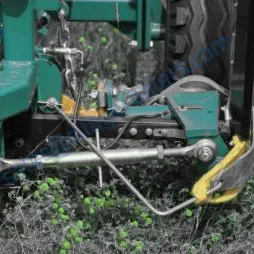
Silage balers operate through a sophisticated mechanism that involves cutting, compressing, and wrapping forage crops. Initially, the forage is cut by a mower, like the one shown in the image below, which is typically done using a tractor-mounted attachment. Once the forage is cut, it is fed into the baler where it undergoes several processes.
Cutting and Gathering
The first step in the operation of a silage baler is the cutting of the forage. This critical phase ensures that the crop is harvested at the optimal time, which is key to maintaining the nutritional quality of the silage. The gathered forage is then conveyed into the baler.
Compression
Once the feed enters the baler, it is compressed into a compact cylinder. This process is crucial for reducing the amount of air inside the bale, helping to minimize spoilage and promote fermentation. Compression efficiency is affected by several factors, including the moisture content of the feed; the ideal moisture content should be between 60% and 70%.
Wrapping and Sealing
After compression, the bales are wrapped in plastic film to create an airtight seal. This wrapping is indispensable as it prevents oxygen from reaching the silage, allowing anaerobic fermentation to occur. The result is high-quality silage that retains its nutritional value.
Benefits of Using Silage Balers
The adoption of silage balers in farming offers a multitude of benefits that contribute to sustainable farming solutions. These advantages extend beyond mere efficiency, encompassing ecological, economic, and social dimensions.
Enhanced Feed Quality
One of the major advantages of silage balers is their ability to produce high-quality feed. The fermentation process within the silage bale preserves essential nutrients, making silage a valuable resource for livestock. This nutrient retention is especially important in areas where fresh pasture is unavailable year-round.
Efficient Use of Resources
Silage production allows farmers to utilize their land more efficiently. By harvesting and storing forage when it’s at its peak nutritional value, farmers can ensure that their livestock have access to quality feed throughout the year, reducing the need for additional feed sources.
Reduction of Waste
Silage balers help minimize waste in agricultural production. Traditional feed preservation methods, such as haymaking, often result in significant losses due to spoilage or weather conditions. Silage balers effectively reduce these losses by creating an environment conducive to fermentation and significantly lowering spoilage rates.
Environmental Implications of Silage Baling
The integration of silage balers in farming practices has profound implications for environmental sustainability. As the agricultural industry faces scrutiny for its environmental footprint, silage balers stand out as a tool that can help mitigate negative impacts.
Carbon Footprint Reduction
By enabling farmers to maximize their forage production, silage balers help to reduce the carbon footprint associated with livestock feeding. Nutrient-rich silage allows for more efficient feed conversion in animals, leading to lower greenhouse gas emissions per unit of meat or milk produced.
Biodiversity Promotion
Using silage balers helps improve the biodiversity of agro-ecosystems. Farmers are more motivated to grow a variety of forage crops, thereby improving soil health and enhancing its resistance to pests and diseases. These practices contribute to building more balanced ecosystems and promoting greater diversity of flora and fauna.
Soil Health Improvement
The use of silage not only benefits livestock but also plays a crucial role in enhancing soil health. Silage cover crops can be integrated into crop rotation systems, increasing organic matter in the soil and promoting healthier microbial activity. This is essential for maintaining soil fertility and preventing erosion.
Challenges and Considerations in Silage Baling
While silage balers offer myriad benefits, there are also challenges and considerations that farmers must navigate. Understanding these factors is critical for making informed decisions regarding silage production.
Initial Investment Costs
The upfront costs of purchasing a silage baler can be quite high. Farmers must weigh the financial impact against long-term benefits such as improved feed quality and reduced waste. Therefore, considering various financing options or cooperative purchasing agreements to offset the initial costs is crucial.
Operational Knowledge and Training
Successfully operating a silage baler requires a certain level of skill and knowledge. Farmers and their teams must be trained not only in the mechanics of the machine but also in understanding the optimal conditions for silage production. Regular maintenance and operation training can reduce downtime and enhance efficiency.
Climate Considerations
Weather conditions play a crucial role in silage production. Farmers must closely monitor seasonal changes and harvest time to ensure the feed reaches optimal moisture content. Climate change exacerbates this challenge, necessitating adaptive strategies to mitigate its impact on silage quality.
Future of Silage Baling in Sustainable Agriculture
As the global agricultural landscape continues to evolve, the role of silage balers is likely to expand. Innovations in technology and practices will further enhance the efficiency and sustainability of silage production.
Technological Advancements
The future of silage baling is intertwined with advancements in technology. Automation and precision agriculture techniques can enhance the efficiency of silage production, from monitoring moisture levels to optimizing harvest timing. These innovations promise to reduce labor costs and increase productivity.
Integration with Renewable Energy
Silage production can also be integrated with renewable energy projects. Farmers can use silage to produce biogas through anaerobic digestion, creating a sustainable energy source and reducing dependence on fossil fuels. This synergy between agriculture and energy production demonstrates the potential of sustainable agricultural solutions.
Community and Cooperative Approaches
As awareness of sustainable farming practices grows, community-based silage production models are becoming increasingly prevalent. Farmers can collaborate to share resources, knowledge, and equipment, thereby improving the sustainability of production operations. This collaborative approach not only reduces costs but also strengthens community awareness and a shared sense of responsibility for environmental protection.
Comment les presses à ensilage contribuent aux solutions agricoles durables
Sustainable agricultural practices are becoming increasingly important in efforts to address climate change and protect natural resources. Silage balers are one of the key pieces of equipment playing a crucial role in these practices. By efficiently processing feed, silage balers not only improve farm productivity but also contribute to environmental sustainability. This paper illustrates the impact of silage balers on sustainable agriculture through a case study and provides a comparative analysis of farm productivity before and after the installation of silage balers.
Case Study: The Green Valley Farm Transformation
Green Valley Farm, located in the heart of England, has been family-run for over three generations. Initially focused on traditional livestock farming, the farm faced numerous challenges in forage management, leading to inefficiency and increased waste. In 2021, the farm decided to invest in a modern silage baler to improve operational efficiency and sustainability.
Initial Conditions and Challenges
Prior to the installation of the silage baler, Green Valley Farm relied on conventional methods for forage harvesting. This included manual labor and older machinery that resulted in:
- Low forage quality due to spoilage.
- High waste levels during the harvesting process.
- Inconsistent feed availability throughout the year.
- Labor-intensive practices that strained resources and finances.
Data collected in 2020 highlighted significant issues:
- Forage yield was approximately 80 tons per hectare.
- Feed wastage reached 30%, causing financial losses.
- Labor costs had escalated to 20% of total operational expenses.
Implementing the Silage Baler
The introduction of a state-of-the-art silage baler is of great significance to Green Valley Farm. This baler is renowned for its efficiency and reliability and has been seamlessly integrated into existing operations with minimal disruption. Training courses ensured all employees were proficient in using the new equipment and focused on maximizing its performance.
Post-Installation Outcomes
After the silage baler’s implementation in early 2022, the results were markedly positive. A comprehensive analysis was conducted six months post-installation to evaluate the changes in farm productivity and sustainability.
Improved Forage Quality and Yield
The silage baler enabled Green Valley Farm to harvest forage more rapidly and efficiently. With the ability to cut, condition, and bale in one pass, the quality of the forage improved significantly. The data from mid-2022 showed:
- Forage yield increased to 120 tons per hectare.
- Feed wastage was reduced to 10%, enhancing profitability.
- Enhanced nutrient retention in the forage led to better livestock health.
Labor Efficiency and Cost Reduction
With the automated features of the silage baler, labor requirements decreased drastically. The farm could now operate with a smaller workforce, allowing for redeployment of staff to other essential tasks. The financial implications were substantial:
- Labor costs dropped to 15% of total operational expenses.
- Overall operational efficiency improved by 25%.
Environmental Impact and Sustainability
The transition to using a silage baler significantly reduced the farm’s carbon footprint. By minimizing the waste generated during forage harvesting and optimizing feed quality, Green Valley Farm demonstrated a commitment to sustainable practices. Key environmental benefits included:
- Lower methane emissions due to improved feed conversion rates.
- Decreased soil compaction from reduced machinery usage.
- Better management of local biodiversity through sustainable forage practices.
Long-Term Sustainability Practices
Beyond the immediate benefits of improved productivity and reduced waste, the silage baler has enabled Green Valley Farm to adopt long-term sustainability practices. The owners are now focused on:
- Implementing crop rotation strategies to enhance soil health.
- Utilizing cover crops to prevent erosion and enhance biodiversity.
- Engaging in community programs promoting sustainable agriculture education.
Perspectives d'avenir
As Green Valley Farm continues to grow, technological integration and sustainable practices remain at the heart of its operations. The successful application of its silage baler has set a benchmark for other farms seeking to enhance their sustainability. Currently, the farmer is actively exploring further investments in precision agriculture technologies to further improve efficiency and sustainability.
This case study fully demonstrates how modern silage balers can transform traditional farming methods into sustainable solutions, not only increasing productivity but also protecting the environment. Green Valley Farm’s development highlights the importance of adopting innovative technologies in agriculture.
Comment les presses à ensilage contribuent aux solutions agricoles durables
Sustainable agricultural practices are becoming increasingly important in efforts to address climate change and protect natural resources. Silage balers are one of the key pieces of equipment playing a crucial role in these practices. By efficiently processing feed, silage balers not only improve farm productivity but also contribute to environmental sustainability. This paper illustrates the impact of silage balers on sustainable agriculture through a case study and provides a comparative analysis of farm productivity before and after the installation of silage balers.
Case Study: The Green Valley Farm Transformation
Green Valley Farm, located in the heart of England, has been family-run for over three generations. Initially focused on traditional livestock farming, the farm faced numerous challenges in forage management, leading to inefficiency and increased waste. In 2021, the farm decided to invest in a modern silage baler to improve operational efficiency and sustainability.
Initial Conditions and Challenges
Prior to the installation of the silage baler, Green Valley Farm relied on conventional methods for forage harvesting. This included manual labor and older machinery that resulted in:
- Low forage quality due to spoilage.
- High waste levels during the harvesting process.
- Inconsistent feed availability throughout the year.
- Labor-intensive practices that strained resources and finances.
Data collected in 2020 highlighted significant issues:
- Forage yield was approximately 80 tons per hectare.
- Feed wastage reached 30%, causing financial losses.
- Labor costs had escalated to 20% of total operational expenses.
Implementing the Silage Baler
The introduction of a state-of-the-art silage baler marked a pivotal change for Green Valley Farm. The chosen model, known for its efficiency and reliability, was integrated into existing operations with minimal disruption. Training sessions ensured that all staff were proficient in using the new equipment, focusing on maximizing its capabilities.
Post-Installation Outcomes
After the silage baler’s implementation in early 2022, the results were markedly positive. A comprehensive analysis was conducted six months post-installation to evaluate the changes in farm productivity and sustainability.
Improved Forage Quality and Yield
The silage baler enabled Green Valley Farm to harvest forage more rapidly and efficiently. With the ability to cut, condition, and bale in one pass, the quality of the forage improved significantly. The data from mid-2022 showed:
- Forage yield increased to 120 tons per hectare.
- Feed wastage was reduced to 10%, enhancing profitability.
- Enhanced nutrient retention in the forage led to better livestock health.
Labor Efficiency and Cost Reduction
With the automated features of the silage baler, labor requirements decreased drastically. The farm could now operate with a smaller workforce, allowing for redeployment of staff to other essential tasks. The financial implications were substantial:
- Labor costs dropped to 15% of total operational expenses.
- Overall operational efficiency improved by 25%.
Environmental Impact and Sustainability
The transition to using a silage baler significantly reduced the farm’s carbon footprint. By minimizing the waste generated during forage harvesting and optimizing feed quality, Green Valley Farm demonstrated a commitment to sustainable practices. Key environmental benefits included:
- Lower methane emissions due to improved feed conversion rates.
- Decreased soil compaction from reduced machinery usage.
- Better management of local biodiversity through sustainable forage practices.
Long-Term Sustainability Practices
Beyond the immediate benefits of improved productivity and reduced waste, the silage baler has enabled Green Valley Farm to adopt long-term sustainability practices. The owners are now focused on:
- Implementing crop rotation strategies to enhance soil health.
- Utilizing cover crops to prevent erosion and enhance biodiversity.
- Engaging in community programs promoting sustainable agriculture education.
Perspectives d'avenir
As Green Valley Farm continues to grow, technological integration and sustainable practices remain at the heart of its operations. The successful application of its silage baler has set a benchmark for other farms seeking to enhance their sustainability. Currently, the farmer is actively exploring further investments in precision agriculture technologies to further improve efficiency and sustainability.
This case study fully demonstrates how modern silage balers can transform traditional farming methods into sustainable solutions, not only increasing productivity but also protecting the environment. Green Valley Farm’s development highlights the importance of adopting innovative technologies in agriculture.
Comment les presses à ensilage contribuent aux solutions agricoles durables
Sustainable agricultural practices are becoming increasingly important in efforts to address climate change and protect natural resources. Silage balers are one of the key pieces of equipment playing a crucial role in these practices. By efficiently processing feed, silage balers not only improve farm productivity but also contribute to environmental sustainability. This paper illustrates the impact of silage balers on sustainable agriculture through a case study and provides a comparative analysis of farm productivity before and after the installation of silage balers.
Case Study: The Green Valley Farm Transformation
Green Valley Farm, located in the heart of England, has been family-run for over three generations. Initially focused on traditional livestock farming, the farm faced numerous challenges in forage management, leading to inefficiency and increased waste. In 2021, the farm decided to invest in a modern silage baler to improve operational efficiency and sustainability.
Initial Conditions and Challenges
Prior to the installation of the silage baler, Green Valley Farm relied on conventional methods for forage harvesting. This included manual labor and older machinery that resulted in:
- Low forage quality due to spoilage.
- High waste levels during the harvesting process.
- Inconsistent feed availability throughout the year.
- Labor-intensive practices that strained resources and finances.
Data collected in 2020 highlighted significant issues:
- Forage yield was approximately 80 tons per hectare.
- Feed wastage reached 30%, causing financial losses.
- Labor costs had escalated to 20% of total operational expenses.
Implementing the Silage Baler
The introduction of a state-of-the-art silage baler is of great significance to Green Valley Farm. This baler is renowned for its efficiency and reliability and has been seamlessly integrated into existing operations with minimal disruption. Training courses ensured all employees were proficient in using the new equipment and focused on maximizing its performance.
Post-Installation Outcomes
After the silage baler’s implementation in early 2022, the results were markedly positive. A comprehensive analysis was conducted six months post-installation to evaluate the changes in farm productivity and sustainability.
Improved Forage Quality and Yield
The silage baler enabled Green Valley Farm to harvest forage more rapidly and efficiently. With the ability to cut, condition, and bale in one pass, the quality of the forage improved significantly. The data from mid-2022 showed:
- Forage yield increased to 120 tons per hectare.
- Feed wastage was reduced to 10%, enhancing profitability.
- Enhanced nutrient retention in the forage led to better livestock health.
Labor Efficiency and Cost Reduction
With the automated features of the silage baler, labor requirements decreased drastically. The farm could now operate with a smaller workforce, allowing for redeployment of staff to other essential tasks. The financial implications were substantial:
- Labor costs dropped to 15% of total operational expenses.
- Overall operational efficiency improved by 25%.
Environmental Impact and Sustainability
The transition to using a silage baler significantly reduced the farm’s carbon footprint. By minimizing the waste generated during forage harvesting and optimizing feed quality, Green Valley Farm demonstrated a commitment to sustainable practices. Key environmental benefits included:
- Lower methane emissions due to improved feed conversion rates.
- Decreased soil compaction from reduced machinery usage.
- Better management of local biodiversity through sustainable forage practices.
Long-Term Sustainability Practices
Beyond the immediate benefits of improved productivity and reduced waste, the silage baler has enabled Green Valley Farm to adopt long-term sustainability practices. The owners are now focused on:
- Implementing crop rotation strategies to enhance soil health.
- Utilizing cover crops to prevent erosion and enhance biodiversity.
- Engaging in community programs promoting sustainable agriculture education.
Perspectives d'avenir
As Green Valley Farm continues to grow, technological integration and sustainable practices remain at the heart of its operations. The successful application of its silage baler has set a benchmark for other farms seeking to enhance their sustainability. Currently, the farmer is actively exploring further investments in precision agriculture technologies to further improve efficiency and sustainability.
This case study fully demonstrates how modern silage balers can transform traditional farming methods into sustainable solutions, not only increasing productivity but also protecting the environment. Green Valley Farm’s development highlights the importance of adopting innovative technologies in agriculture.
Comment les presses à ensilage contribuent aux solutions agricoles durables
Sustainable agricultural practices are becoming increasingly important in efforts to address climate change and protect natural resources. Silage balers are one of the key pieces of equipment playing a crucial role in these practices. By efficiently processing feed, silage balers not only improve farm productivity but also contribute to environmental sustainability. This paper illustrates the impact of silage balers on sustainable agriculture through a case study and provides a comparative analysis of farm productivity before and after the installation of silage balers.
Case Study: The Green Valley Farm Transformation
Green Valley Farm, located in the heart of England, has been family-run for over three generations. Initially focused on traditional livestock farming, the farm faced numerous challenges in forage management, leading to inefficiency and increased waste. In 2021, the farm decided to invest in a modern silage baler to improve operational efficiency and sustainability.
Initial Conditions and Challenges
Prior to the installation of the silage baler, Green Valley Farm relied on conventional methods for forage harvesting. This included manual labor and older machinery that resulted in:
- Low forage quality due to spoilage.
- High waste levels during the harvesting process.
- Inconsistent feed availability throughout the year.
- Labor-intensive practices that strained resources and finances.
Data collected in 2020 highlighted significant issues:
- Forage yield was approximately 80 tons per hectare.
- Feed wastage reached 30%, causing financial losses.
- Labor costs had escalated to 20% of total operational expenses.
Implementing the Silage Baler
The introduction of a state-of-the-art silage baler marked a pivotal change for Green Valley Farm. The chosen model, known for its efficiency and reliability, was integrated into existing operations with minimal disruption. Training sessions ensured that all staff were proficient in using the new equipment, focusing on maximizing its capabilities.
Post-Installation Outcomes
After the silage baler’s implementation in early 2022, the results were markedly positive. A comprehensive analysis was conducted six months post-installation to evaluate the changes in farm productivity and sustainability.
Improved Forage Quality and Yield
The silage baler enabled Green Valley Farm to harvest forage more rapidly and efficiently. With the ability to cut, condition, and bale in one pass, the quality of the forage improved significantly. The data from mid-2022 showed:
- Forage yield increased to 120 tons per hectare.
- Feed wastage was reduced to 10%, enhancing profitability.
- Enhanced nutrient retention in the forage led to better livestock health.
Labor Efficiency and Cost Reduction
With the automated features of the silage baler, labor requirements decreased drastically. The farm could now operate with a smaller workforce, allowing for redeployment of staff to other essential tasks. The financial implications were substantial:
- Labor costs dropped to 15% of total operational expenses.
- Overall operational efficiency improved by 25%.
Environmental Impact and Sustainability
The transition to using a silage baler significantly reduced the farm’s carbon footprint. By minimizing the waste generated during forage harvesting and optimizing feed quality, Green Valley Farm demonstrated a commitment to sustainable practices. Key environmental benefits included:
- Lower methane emissions due to improved feed conversion rates.
- Decreased soil compaction from reduced machinery usage.
- Better management of local biodiversity through sustainable forage practices.
Long-Term Sustainability Practices
Beyond the immediate benefits of improved productivity and reduced waste, the silage baler has enabled Green Valley Farm to adopt long-term sustainability practices. The owners are now focused on:
- Implementing crop rotation strategies to enhance soil health.
- Utilizing cover crops to prevent erosion and enhance biodiversity.
- Engaging in community programs promoting sustainable agriculture education.
Perspectives d'avenir
As Green Valley Farm continues to grow, technological integration and sustainable practices remain at the heart of its operations. The successful application of its silage baler has set a benchmark for other farms seeking to enhance their sustainability. Currently, the farmer is actively exploring further investments in precision agriculture technologies to further improve efficiency and sustainability.
This case study fully demonstrates how modern silage balers can transform traditional farming methods into sustainable solutions, not only increasing productivity but also protecting the environment. Green Valley Farm’s development highlights the importance of adopting innovative technologies in agriculture.
édité par gzl