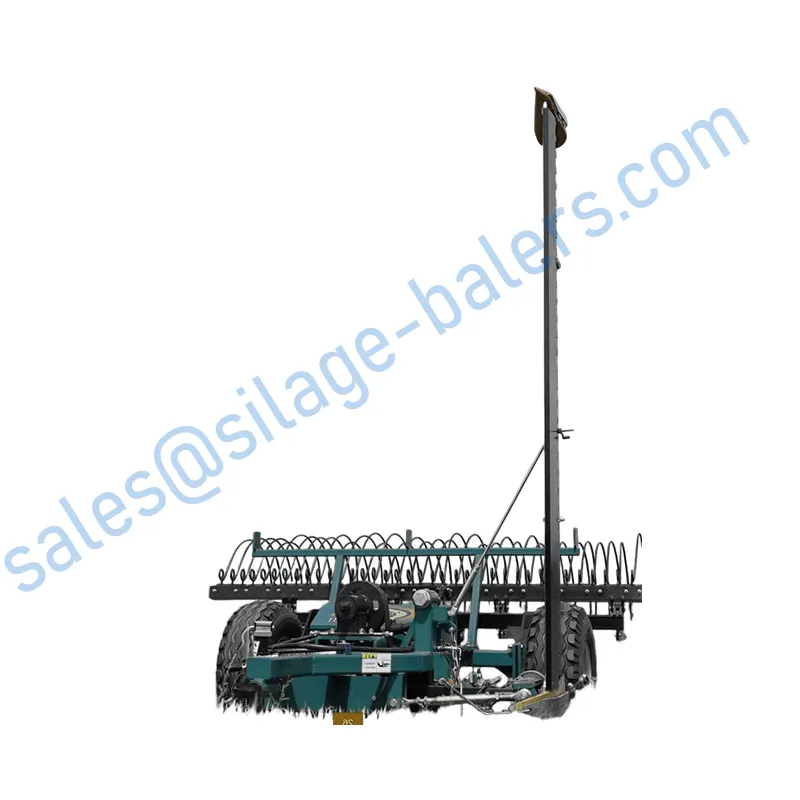
Descrizione
Nell'agricoltura moderna, efficienza, precisione e durata determinano la competitività di qualsiasi attività. Con la continua espansione delle aziende agricole e la riduzione delle risorse di manodopera, le soluzioni meccanizzate per la gestione dell'alimentazione non sono più opzionali, ma essenziali. La falciatrice e ranghinatrice a trazione rappresenta la fusione di ingegneria meccanica, scienza agronomica e praticità comprovata sul campo. Progettata per soddisfare i severi requisiti della produzione di fieno, della manutenzione dei pascoli e della preparazione dei foraggi, questa attrezzatura svolge un ruolo decisivo nell'aumento della produttività e nel mantenimento della qualità del raccolto.
Dalle piccole aziende agricole a conduzione familiare alle grandi aziende commerciali, la domanda di attrezzature affidabili per la falciatura e la rastrellatura continua a crescere. I cambiamenti climatici, la diversità del suolo e l'eterogeneità delle colture richiedono macchine in grado di adattarsi a terreni e intensità di lavoro diversi. È qui che i sistemi di trazione integrale risultano utili, garantendo un trasferimento di potenza stabile, un contatto controllato con il terreno e una minore dipendenza da complessi sistemi idraulici.
Questo articolo offre una discussione approfondita e professionale sui tosaerba e i rastrelli a trattore, trattando la definizione di "macchina falciante e rastrellatrice a trazione", i vantaggi funzionali, i principi di funzionamento, gli scenari applicativi, i criteri di selezione, le pratiche di manutenzione, il feedback dei clienti dai mercati globali e i motivi per cui le nostre soluzioni si distinguono nel settore delle macchine agricole. I contenuti sono strutturati in linea con i principi EEAT di Google, integrando esperienza pratica, autorevolezza tecnica e approfondimenti affidabili.
Specifiche tecniche
| Numero di serie | Articolo | Unità | Specifica |
|---|---|---|---|
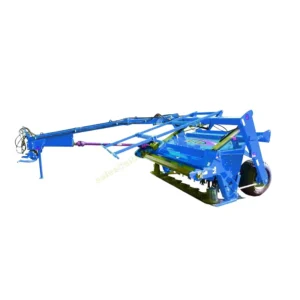
| 1 | Nome del modello | / | Rastrellatrice e falciatrice a trazione 9GL-2.5/2.9 |
| 2 | Metodo di aggancio | / | Tipo di trazione |
| 3 | Tipo di struttura della fresa | / | Tipo alternativo |
| 4 | Larghezza di taglio | M | 2.5 |
| 6 | Larghezza di lavoro del rastrellamento | M | 2.9 |
| 7 | Gamma di velocità operativa | chilometri all'ora | 6~7 |
| 8 | Produttività | hm²/h | Falciatura: 1,2-1,44; Rastrellatura: 1,5-1,8 |
| 9 | Altezza media della stoppia | mm | 60-70 |
| 10 | Potenza corrispondente | kW | 25~55 |
| 11 | Velocità della presa di forza | giri/min | 540 |
| 12 | Peso della macchina | kg | 920 |
| 13 | Numero di denti rastrellanti | pezzi | 42 |
| 14 | Spaziatura dei denti di rastrellamento | mm | 71 |
| 15 | Dimensioni complessive dell'unità (lunghezza × larghezza × altezza) | mm | – Stato del trasporto: 3100×2920×2900 – Stato di funzionamento: 3100×5000×950 |
| 18 | Numero di lame mobili | pezzi | 34 |
Definizione del prodotto della macchina falciante e rastrellatrice a trazione
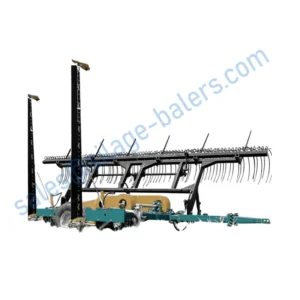
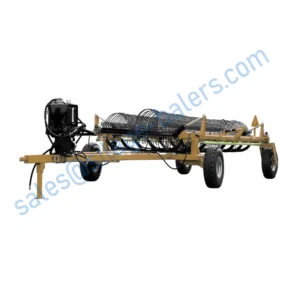
Una macchina falciante e ranghinatrice a trazione è un'attrezzatura agricola progettata per tagliare i foraggi e successivamente raggrupparli in andane uniformi utilizzando la trazione a terra anziché sistemi completamente idraulici o dipendenti dalla presa di forza. Integra le funzioni di falciatura e rastrellatura in un'unità singola o modulare, consentendo operazioni sul campo efficienti con consumi di carburante ridotti e complessità meccanica ridotta.
Problemi affrontati e usi pratici
La falciatrice e rastrellatrice a trazione è progettata per risolvere diverse sfide persistenti nella gestione del foraggio. I processi tradizionali di falciatura e rastrellatura richiedono spesso l'impiego di più macchine, passaggi ripetuti e un notevole impiego di manodopera. Ciò non solo aumenta i costi operativi, ma aumenta anche il rischio di compattazione del terreno e contaminazione delle colture.
Combinando falciatura e rastrellatura in un flusso di lavoro coerente, questa attrezzatura riduce al minimo il traffico sul campo e preserva l'integrità del foraggio. È ampiamente utilizzata nella produzione di fieno, nel rinnovamento dei pascoli, nella preparazione dell'insilato e nel controllo della vegetazione a bordo strada. Gli agricoltori beneficiano di una migliore uniformità di essiccazione, di una ridotta perdita di foglie e di una migliore qualità complessiva del foraggio, soprattutto quando si lavora con erba medica, fieno d'erba e colture foraggere miste.
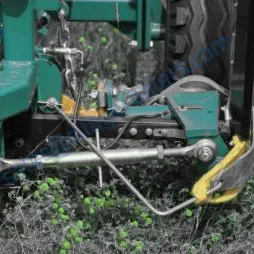
Principali vantaggi della macchina falciante e rastrellatrice a trazione
Efficienza operativa
Uno dei vantaggi più significativi è la possibilità di completare le operazioni di falciatura e rastrellatura in meno passaggi. Questo flusso di lavoro semplificato riduce il tempo trascorso sul campo e consente agli operatori di reagire rapidamente alle ristrette finestre meteorologiche, un aspetto fondamentale durante le stagioni di fienagione.
Ottimizzazione energetica
I sistemi a trazione sfruttano il contatto con il terreno per la trasmissione della potenza, riducendo il consumo di carburante rispetto alle attrezzature di falciatura e rastrellatura completamente azionate dalla presa di forza. Ciò si traduce in risparmi sui costi misurabili nel lungo termine.
Complessità meccanica ridotta
Grazie al minor numero di componenti idraulici e alla semplificazione delle trasmissioni, la manutenzione richiesta è inferiore. Questa filosofia progettuale aumenta l'affidabilità e riduce i tempi di fermo macchina durante i periodi di picco della raccolta.
Miglioramento della qualità del foraggio
Un'azione di rastrellatura delicata riduce al minimo la frantumazione delle foglie e preserva il valore nutrizionale. Le andane uniformi facilitano inoltre un'essiccazione più rapida e uniforme, essenziale per produrre fieno di alta qualità.
Adattabilità al terreno
La macchina falciante e ranghinatrice a trazione per fieno è efficace su terreni irregolari, pendii e condizioni variabili del terreno. Il suo design che segue il terreno garantisce un'altezza di taglio e prestazioni di rastrellatura costanti.
Rapporto costo-efficacia
Combinando più funzioni in un'unica unità, gli agricoltori riducono l'investimento iniziale e le spese operative. Questo rende l'attrezzatura particolarmente interessante per le aziende agricole di piccole e medie dimensioni che cercano un elevato ritorno sull'investimento.
Principio di funzionamento della macchina falciante e rastrellatrice a trazione
Il principio di funzionamento di una macchina falciante e rastrellatrice a trazione si basa sul trasferimento di energia meccanica attraverso le ruote motrici. Mentre la macchina avanza, le ruote motrici si innestano sulla superficie del terreno, convertendo il moto lineare in forza rotazionale. Questa energia rotazionale viene trasmessa tramite riduttori, catene o sistemi a cinghia ai gruppi di taglio e rastrellatura.
Il componente di falciatura utilizza in genere lame alternative o dischi rotanti per tagliare il foraggio a un'altezza predeterminata. Subito dopo l'azione di taglio, il meccanismo di rastrellatura raccoglie il materiale tagliato e lo forma in andane. Questo processo sincronizzato garantisce una manipolazione minima del foraggio, riducendo le perdite e mantenendo l'integrità strutturale. La semplicità di questo sistema meccanico aumenta la durata e garantisce prestazioni costanti in diverse condizioni di campo.
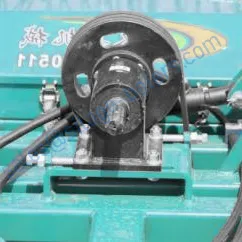
Principali scenari applicativi
Campi di produzione di fieno
Nei campi di fieno dedicati, la macchina falciante e rastrellatrice a trazione per il fieno garantisce cicli di raccolta efficienti e una formazione uniforme dell'andana, ottimizzando le prestazioni della pressa.
Aziende agricole miste
Per le aziende agricole che gestiscono sia colture foraggere che cerealicole, questa attrezzatura offre versatilità senza la necessità di accessori specializzati.
Manutenzione del pascolo
La falciatura e la rastrellatura regolari aiutano a mantenere sani i pascoli, controllando la crescita delle erbacce e favorendone una ricrescita uniforme.
Allevamento di bestiame
Gli allevamenti di bovini da latte e bovini da carne contano sulla qualità costante del foraggio, rendendo questa attrezzatura essenziale per la preparazione dei mangimi.
Terreno inclinato e irregolare
Il design del rastrello falciante a trazione garantisce prestazioni affidabili su pendii e terreni irregolari, dove altre macchine hanno difficoltà.
Piccole e medie imprese agricole
Le aziende che cercano attrezzature per la falciatura e la rastrellatura affidabili e convenienti traggono vantaggio dai bassi costi di esercizio e dalla facilità d'uso della macchina.
Come scegliere la macchina falciante e rastrellatrice giusta
Dimensioni del campo e tipo di coltura
La scelta di un modello che corrisponda alle dimensioni del campo e alla densità del foraggio garantisce un'efficienza ottimale ed evita sottoutilizzo o sovraccarico.
Compatibilità del trattore
Per una macchina falciante e rastrellatrice montata su trattore, è essenziale la compatibilità con la potenza del trattore, il tipo di attacco e la capacità di peso.
Qualità costruttiva e materiali
L'acciaio di alta qualità, i rivestimenti resistenti alla corrosione e i giunti rinforzati contribuiscono a una lunga durata e a prestazioni stabili.
Facilità di regolazione
Le rapide regolazioni dell'altezza di taglio e della larghezza di rastrellatura consentono agli operatori di adattarsi alle diverse colture e alle condizioni del campo.
Accessibilità alla manutenzione
Le macchine progettate con punti di lubrificazione accessibili e componenti modulari riducono i tempi di manutenzione e la manodopera.
Assistenza post-vendita
Un supporto tecnico affidabile e la disponibilità di pezzi di ricambio sono fattori critici quando si investe in una macchina agricola per la falciatura e la rastrellatura in vendita.
Metodi di manutenzione per macchine falcianti e rastrellatrici a trazione
Una manutenzione regolare è essenziale per preservare le prestazioni e prolungare la durata utile. Gli operatori devono ispezionare le ruote di trazione, le lame di taglio e i denti di rastrellamento prima di ogni ciclo di lavoro. La lubrificazione delle parti mobili deve seguire le raccomandazioni del produttore per ridurre l'attrito e l'usura. La manutenzione stagionale include il serraggio dei dispositivi di fissaggio, il controllo dell'allineamento degli ingranaggi e la sostituzione dei componenti usurati. Un corretto stoccaggio in condizioni asciutte protegge ulteriormente la macchina dalla corrosione e dai danni ambientali.
Recensioni dei clienti da diversi paesi
Essendo un'azienda agricola di medie dimensioni in Baviera, la qualità del foraggio influisce direttamente sulla produzione di latte e sulla salute della mandria. Abbiamo introdotto questa macchina falciante e ranghinatrice a trazione due stagioni fa, principalmente per semplificare le operazioni durante le brevi finestre meteorologiche. Ciò che ci ha colpito subito è stata la stabilità della falciatrice e ranghinatrice a trazione su terreni irregolari. Segue bene il terreno e lascia un taglio netto e uniforme senza sminuzzare. L'azione di rastrellatura è delicata, formando andane ordinate che si asciugano più velocemente e si alimentano senza problemi nella nostra pressa. Il consumo di carburante è diminuito notevolmente rispetto alla nostra precedente configurazione a presa di forza e la manutenzione ordinaria è stata finora minima. Per le aziende agricole che puntano sulla costanza piuttosto che sulla velocità, questa macchina offre risultati affidabili e ripetibili.
– Hans Müller, Germania
Gestiamo un'azienda agricola a conduzione familiare che produce fieno in Iowa, principalmente erba medica e fieno misto. Questa macchina falcia-andanatrice per uso agricolo si è dimostrata un pratico cavallo di battaglia. La semplicità meccanica è notevole; meno linee idrauliche significano meno guasti durante l'alta stagione. Gestisce andane dense senza intasamenti e funziona bene anche in condizioni non ideali. Il design a trazione offre prestazioni prevedibili su campi di grandi dimensioni e la sostituzione delle lame è semplice. Potrebbe non essere appariscente, ma è affidabile, il che è fondamentale quando si affrontano le condizioni meteorologiche avverse.
– Michael Thompson, Stati Uniti
Gestire un allevamento di bovini nel Nuovo Galles del Sud significa avere a che fare con terreno secco, polvere e recinti irregolari. Avevamo bisogno di attrezzature per la falciatura e la rastrellatura in grado di far fronte a queste realtà. Questa macchina per la falciatura e la rastrellatura a trazione ha superato le aspettative in termini di durata. Il telaio è solido e le parti mobili tollerano la polvere molto meglio della nostra macchina precedente. Le andane sono uniformi, il che contribuisce a ridurre le perdite durante la pressatura. Non è eccessivamente complessa, il che semplifica l'utilizzo e la manutenzione da parte del nostro team durante le lunghe giornate di lavoro.
– Andrew Collins, Australia
La nostra azienda agricola policolturale nel nord della Francia apprezza la versatilità. Utilizziamo questa macchina agricola per la falciatura e la rastrellatura in vendita per diversi tipi di foraggio durante tutta la stagione. Le regolazioni sono intuitive, permettendoci di passare dall'erba al trifoglio con tempi di fermo minimi. La macchina si integra bene con la nostra flotta di trattori e i ricambi sono stati facili da reperire. Nel complesso, ha migliorato l'efficienza del flusso di lavoro e ridotto la necessità di più attrezzi dedicati.
– Jean Dupont, Francia
Nel Brasile meridionale, l'umidità e la crescita eccessiva rappresentano sfide costanti. Questa macchina falciante e ranghinatrice a trazione per fieno ha dimostrato un'elevata resistenza alla corrosione e all'usura. Operiamo su larga scala e la macchina resiste bene anche a orari di lavoro prolungati. La qualità delle andane ha migliorato l'uniformità di essiccazione, fondamentale nel nostro clima. Considerando la qualità costruttiva e le prestazioni, l'investimento è stato giustificato per la nostra attività di foraggio.
– Carlos Ribeiro, Brasile
Perché scegliere la nostra macchina falciante e rastrellatrice a trazione
Le nostre soluzioni sono progettate sulla base di una profonda conoscenza dei flussi di lavoro agricoli e delle condizioni operative reali. Offriamo servizi di personalizzazione rapidi per soddisfare specifiche esigenze di campo, garantendo che ogni macchina falciante e ranghinatrice si integri perfettamente nelle operazioni esistenti. Con una garanzia completa di tre anni, i clienti possono contare su affidabilità e tranquillità a lungo termine.
Le nostre capacità di spedizione rapida a livello globale ci consentono di evadere gli ordini in modo efficiente, indipendentemente dalla destinazione. La nostra rete di assistenza post-vendita fornisce supporto tecnico, ricambi e assistenza durante l'intero ciclo di vita della macchina. Oltre a questo prodotto, forniamo una gamma completa di accessori, componenti di ricambio e attrezzature per la falciatura e la rastrellatura per soddisfare le diverse esigenze agricole.
Grazie a impianti di produzione all'avanguardia, rigorosi processi di controllo qualità e strategie di prezzo competitive, la nostra azienda offre un valore eccezionale. Invitiamo i clienti a esplorare appieno il potenziale della falciatrice e rastrellatrice a trazione e a contattarci oggi stesso per discutere le opzioni di acquisto, i requisiti di personalizzazione e le opportunità di collaborazione a lungo termine.
Domande frequenti
1. Quali colture sono più adatte per un Macchina falciante e rastrellatrice a trazione?
Questa attrezzatura è ideale per fieno d'erba, erba medica, trifoglio e foraggi misti. La sua delicatezza preserva la struttura delle foglie, rendendola adatta a mangimi ad alto valore nutrizionale. Offre ottime prestazioni sia in condizioni di foraggio leggero che denso, garantendo una formazione uniforme dell'andana su tutti i tipi di coltura.
2. In che cosa differisce una macchina falciante e rastrellatrice a trazione dalle attrezzature azionate dalla presa di forza?
Un tosaerba-andanatore a trazione sfrutta la potenza trasmessa dal terreno anziché affidarsi esclusivamente alla presa di forza del trattore. Questo riduce il consumo di carburante, la complessità meccanica e i costi di manutenzione, mantenendo al contempo prestazioni stabili in diverse condizioni di campo.
3. È facile installare una macchina falciante e rastrellatrice a trazione?
La maggior parte dei modelli è progettata per un montaggio semplice tramite sistemi di attacco standard. Istruzioni di installazione chiare e attacchi regolabili garantiscono la compatibilità con un'ampia gamma di modelli di trattori.
4. Quale programma di manutenzione è consigliato?
Per mantenere prestazioni e longevità ottimali, si consigliano ispezioni di routine prima di ogni utilizzo, lubrificazione settimanale durante le stagioni attive e manutenzione stagionale completa.
5. Questa macchina è in grado di affrontare terreni irregolari?
Sì, il design a trazione si adatta bene ai pendii e ai terreni irregolari, mantenendo un'altezza di taglio costante e un'efficienza di rastrellatura senza disturbare eccessivamente il terreno.
6. Qual è la durata media del servizio?
Con una manutenzione adeguata, una macchina falciante e rastrellatrice di alta qualità può funzionare efficacemente per oltre un decennio, anche in condizioni agricole impegnative.
7. Riduce il fabbisogno di manodopera?
Combinando la falciatura e la rastrellatura in un unico flusso di lavoro, la macchina riduce significativamente le ore di lavoro e l'affaticamento dell'operatore durante i periodi di picco della raccolta.
8. Questa macchina agricola per falciatura e rastrellatura in vendita è adatta alle piccole aziende agricole?
Sì, il suo rapporto qualità-prezzo e la sua facilità d'uso lo rendono una scelta eccellente per le aziende agricole di piccole e medie dimensioni che cercano una meccanizzazione affidabile.
9. In che modo influisce sul tempo di essiccazione del foraggio?
La formazione uniforme dell'andana migliora la circolazione dell'aria, determinando un'essiccazione più rapida e uniforme rispetto ai metodi di rastrellatura irregolari.
10. I pezzi di ricambio sono facilmente reperibili?
Manteniamo una catena di fornitura globale per i pezzi di ricambio, garantendo una disponibilità tempestiva e tempi di inattività minimi per i clienti in tutto il mondo.
11. La macchina può essere personalizzata?
Sì, le opzioni di personalizzazione includono larghezza di lavoro, altezza di taglio e regolazioni della compatibilità per soddisfare specifiche esigenze operative.
12. Quali caratteristiche di sicurezza sono incluse?
Protezioni protettive, telai rinforzati e sistemi di trazione stabili aumentano la sicurezza dell'operatore durante le operazioni sul campo.
13. Come si comporta nei climi umidi?
I materiali resistenti alla corrosione e la struttura robusta garantiscono un funzionamento affidabile anche in ambienti ad alta umidità.
14. È richiesta una formazione per utilizzarlo?
Sono sufficienti conoscenze di base sul funzionamento del trattore. Manuali dettagliati e supporto tecnico semplificano ulteriormente il processo di apprendimento.
15. Come posso effettuare un ordine?
I clienti possono contattarci direttamente per discutere specifiche, prezzi e opzioni di consegna. Il nostro team fornisce supporto completo, dalla richiesta al servizio post-vendita.
modificato da gzl