
Il futuro della pressatura dell'insilato: innovazioni nelle attrezzature e nella tecnologia
Con il continuo sviluppo dell'agricoltura, l'importanza di soluzioni efficienti per lo stoccaggio dei mangimi sta diventando sempre più evidente. Le presse per insilato sono diventate attrezzature chiave in questo campo, cambiando radicalmente il modo in cui gli agricoltori conservano i raccolti per l'alimentazione del bestiame. Per chiunque si occupi di agricoltura moderna, comprendere i principi delle presse per insilato e lo sviluppo delle relative tecnologie è fondamentale.
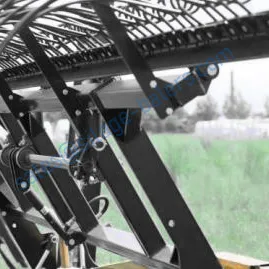
Cos'è una pressa per insilato?
Una pressa per insilato è un'attrezzatura specializzata utilizzata per compattare e imballare il foraggio (come insilato o mais). Queste balle di insilato vengono poi conservate per un uso successivo, fornendo una fonte di mangime ricca di nutrienti nei periodi in cui il foraggio fresco è scarso. Il processo prevede il taglio del foraggio, la sua compattazione in una struttura densa e il suo successivo avvolgimento in una pellicola di plastica per sigillarlo. Questo metodo non solo preserva il valore nutrizionale del foraggio, ma ne facilita anche il trasporto e lo stoccaggio.
Il meccanismo di pressatura dell'insilato
Sebbene le presse per insilato possano sembrare complesse da utilizzare, il loro principio di base è piuttosto semplice. La macchina utilizza una serie di lame per tagliare il fieno in lunghezze gestibili. Il fieno tagliato entra in una camera di compressione dove viene compresso in una balla compatta. Questa compressione è fondamentale perché espelle l'aria, riducendo al minimo la possibilità di decomposizione del fieno. Una volta formata la balla, un dispositivo di fasciatura la avvolge con una pellicola di plastica per garantirne la tenuta, essenziale per la fermentazione anaerobica, il processo che converte il fieno fresco in insilato.
Tipi di presse per insilato
Esistono diversi tipi di presse per insilato, ciascuna progettata per soddisfare diverse esigenze agricole. Conoscere queste tipologie può aiutare gli agricoltori a scegliere l'attrezzatura più adatta alle loro attività.
Rotopresse
Le rotopresse sono forse il tipo più comune di pressa per insilato. Creano balle cilindriche, più facili da maneggiare e trasportare rispetto alle balle quadrate. Queste rotopresse hanno in genere una grande capacità e sono in grado di processare grandi quantità di foraggio in breve tempo. Il design rotondo consente inoltre una migliore aerazione, riducendo il rischio di deterioramento.
Presse quadrate
Le presse quadrate producono balle rettangolari, che possono essere vantaggiose per lo stoccaggio e l'accatastamento. Queste balle sono spesso più facili da gestire per l'alimentazione del bestiame, poiché possono essere porzionate con maggiore precisione. Tuttavia, le presse quadrate possono richiedere più manodopera in termini di movimentazione rispetto alle loro controparti rotonde.
Presse ad alta densità
Le presse ad alta densità aumentano ulteriormente l'efficienza producendo balle più dense. Questa maggiore densità consente una migliore efficienza di stoccaggio, poiché è possibile stoccare più foraggio in meno spazio. Le balle ad alta densità tendono inoltre a essere più resistenti ai danni atmosferici se conservate all'aperto, il che le rende la scelta preferita per alcune attività.
Innovazioni nella tecnologia di pressatura dell'insilato
Con il continuo progresso della tecnologia, aumentano anche le innovazioni nelle attrezzature per la pressatura degli insilati. Il futuro della pressatura degli insilati è segnato da alcune tendenze e tecnologie chiave che stanno rimodellando il panorama.
Automazione e tecnologia intelligente
Una delle innovazioni più significative è l'integrazione dell'automazione e delle tecnologie intelligenti nelle presse per insilato. Le macchine moderne sono sempre più dotate di sensori e tecnologia GPS, che consentono loro di monitorare le condizioni del raccolto e di adattare le operazioni in tempo reale. Questo non solo migliora l'efficienza, ma migliora anche la qualità dell'insilato. Ad esempio, i sistemi automatizzati possono ottimizzare l'altezza di taglio in base alla crescita del raccolto, garantendo che vengano raccolte solo le parti più nutrienti della pianta.
Materiali e design migliorati
Un altro ambito di innovazione riguarda i materiali utilizzati per la costruzione delle presse per insilato. Le presse moderne sono spesso costruite con materiali più leggeri ma più resistenti, che ne aumentano la durata e ne riducono il peso complessivo. Questo progresso consente una migliore efficienza nei consumi e una maggiore manovrabilità sul campo.
Sistemi di avvolgimento avanzati
Anche i sistemi di fasciatura delle presse per insilato hanno subito cambiamenti significativi. Le nuove tecnologie consentono una fasciatura più precisa, garantendo una tenuta più ermetica attorno alle balle. Questa migliore tenuta è fondamentale per prevenire l'infiltrazione di ossigeno, che porta al deterioramento e alla perdita di valore nutrizionale dell'insilato. Le tecnologie di fasciatura avanzate consentono inoltre l'uso di pellicole biodegradabili, promuovendo così una produzione agricola sostenibile.
L'impatto ambientale della pressatura dell'insilato
La pressatura dell'insilato non ha solo finalità pratiche, ma svolge anche un ruolo significativo nelle pratiche agricole sostenibili. Lo stoccaggio efficiente dei foraggi attraverso la pressatura dell'insilato riduce al minimo gli sprechi e l'impatto ambientale delle attività agricole.
Riduzione degli sprechi
Conservando i raccolti attraverso il processo di insilato, gli agricoltori possono ridurre significativamente gli sprechi. I raccolti che altrimenti potrebbero deteriorarsi prima di essere consumati possono essere conservati per mesi, garantendo al bestiame l'accesso a mangimi di qualità tutto l'anno. Questa riduzione degli sprechi non è solo economicamente vantaggiosa per gli agricoltori, ma contribuisce anche positivamente all'ambiente riducendo al minimo la necessità di una produzione aggiuntiva di mangimi.
Mitigazione dell'impronta di carbonio
Le moderne pratiche di imballaggio degli insilati possono anche contribuire alla mitigazione dell'impronta di carbonio in agricoltura. Ottimizzando il processo di conservazione degli alimenti, gli agricoltori possono ridurre la quantità di terreno e di risorse necessarie per la produzione aggiuntiva di mangimi. Questa ottimizzazione porta a una riduzione delle emissioni associate sia all'uso del suolo che al trasporto delle materie prime per mangimi, promuovendo un modello agricolo più sostenibile.
Scegliere la pressa per insilato giusta
Nella scelta di una pressa per insilato, è necessario considerare diversi fattori per garantire la soluzione migliore per le esigenze specifiche di un agricoltore. Comprendere le esigenze specifiche della propria attività può influenzare significativamente questa decisione.
Dimensioni del campo e tipo di coltura
Le dimensioni dei campi da raccogliere e le tipologie di colture da imballare sono fattori critici. I campi più grandi possono trarre vantaggio dalle rotopresse ad alta capacità, mentre le aziende più piccole potrebbero trovare più gestibili le imballatrici quadrate. Inoltre, colture specifiche possono produrre risultati migliori con determinati tipi di imballatrici, il che richiede un'analisi approfondita della compatibilità delle macchine.
Vincoli di bilancio
Il budget è sempre un fattore significativo in qualsiasi investimento agricolo. Sebbene possa essere allettante optare per i modelli più recenti e tecnologicamente avanzati, a volte può essere sufficiente un modello affidabile e datato. Gli agricoltori dovrebbero valutare non solo il prezzo di acquisto, ma anche i costi operativi a lungo termine associati a manutenzione, consumo di carburante e potenziali tempi di fermo.
Il futuro panorama della pressatura dell'insilato
Il futuro della pressatura degli insilati è roseo, poiché l'agricoltura continua ad abbracciare l'innovazione. Con una crescente attenzione alla sostenibilità, all'efficienza e alla tecnologia, le presse per insilati stanno diventando sempre più sofisticate, offrendo maggiori vantaggi agli agricoltori.
Nei prossimi anni, possiamo aspettarci ulteriori progressi nella tecnologia di automazione, che consentiranno una perfetta integrazione della pressatura degli insilati con i più ampi sistemi di gestione aziendale. Queste innovazioni non solo semplificheranno le operazioni, ma aiuteranno anche il settore agricolo a soddisfare il fabbisogno alimentare globale in modo sostenibile.
In breve, l'evoluzione della pressatura degli insilati riflette la tendenza generale dell'agricoltura verso efficienza e sostenibilità. Con il continuo sviluppo di queste macchine, esse svolgeranno senza dubbio un ruolo cruciale nel plasmare il futuro della gestione dell'alimentazione del bestiame.
Caso di studio: l'impatto della falciatrice monolama EP-9GD 2.5 Traction sulla produzione di insilato
Nella moderna pratica agricola, l'ottimizzazione della produzione di insilato è fondamentale. La falciatrice monolama trainata EP-9GD 2.5 è un ottimo esempio di attrezzatura avanzata che soddisfa le complesse esigenze degli agricoltori. Questo articolo approfondirà un caso di studio dettagliato, evidenziando l'aumento dell'efficienza operativa apportato da questa falciatrice e confrontando diversi indicatori di prestazione prima e dopo l'installazione.
Informazioni sul tosaerba monolama EP-9GD 2.5 Traction
Il tosaerba monolama EP-9GD 2.5 Traction è progettato per offrire le massime prestazioni in diversi ambienti agricoli. Grazie al suo design all'avanguardia, è in grado di gestire diversi tipi di foraggio, rendendolo uno strumento indispensabile per la produzione di insilato. Le specifiche di questo tosaerba includono:
- Larghezza di taglio: 2,5 metri
- Potenza richiesta: 60-80 CV
- Peso: 450 kg
- Tipo di lama: Singola, acciaio ad alta resistenza
Dati pre-installazione: una base per il miglioramento
Prima dell'installazione dell'EP-9GD 2.5, l'azienda agricola utilizzava un tosaerba obsoleto che presentava carenze in diversi punti critici. Sono stati registrati i seguenti parametri:
- Velocità media di taglio: 3 km/h
- Consumo di carburante: 10 litri/ora
- Efficienza di raccolta: 70%
- Costi di manutenzione: £ 1.200 all'anno
Questi dati rappresentavano una limitazione significativa per le capacità operative dell'azienda agricola, limitando la produttività e la redditività complessive. Le vecchie attrezzature faticavano a lavorare su terreni irregolari, con conseguenti altezze di taglio non uniformi e tempi di ricrescita più lunghi.
Installazione del tosaerba EP-9GD 2.5
L'integrazione dell'EP-9GD 2.5 nelle attività dell'azienda agricola ha comportato diverse fasi, tra cui sessioni di formazione per gli operatori, la calibrazione della falciatrice in base alle specifiche tipologie di foraggio e una valutazione approfondita dell'infrastruttura esistente per garantirne la compatibilità. Il processo di installazione è stato completato in due giorni, riducendo significativamente i tempi di fermo.
Metriche post-installazione: analisi della trasformazione
Dopo l'installazione, un periodo di valutazione di sei mesi ha fornito informazioni fondamentali sulle prestazioni dell'EP-9GD 2.5. I parametri raccolti dopo l'installazione sono i seguenti:
- Velocità media di taglio: 6 km/h
- Consumo di carburante: 6 litri/ora
- Efficienza di raccolta: 90%
- Costi di manutenzione: £ 400 all'anno
Miglioramenti nell'efficienza di taglio
L'aumento della velocità di taglio da 3 km/h a 6 km/h dimostra la maggiore produttività offerta dall'EP-9GD 2.5. Questo miglioramento non solo accelera il processo di raccolta, ma consente anche una produzione tempestiva di insilato, fondamentale per preservare la qualità del foraggio.
Riduzione del consumo di carburante
Il consumo di carburante ha subito una notevole riduzione, passando da 10 a 6 litri all'ora. Questa riduzione si traduce in un notevole risparmio sui costi nel corso della stagione operativa, nonché in un impatto ambientale ridotto, in linea con le moderne pratiche agricole sostenibili.
Efficienza di raccolta migliorata
Il passaggio da un'efficienza di raccolta di 70% a 90% denota un sostanziale miglioramento della produttività. Una maggiore efficienza si correla direttamente con un aumento della resa, a vantaggio della redditività economica complessiva dell'azienda agricola.
Implicazioni e considerazioni a lungo termine
L'aggiornamento del tosaerba EP-9GD 2.5 rappresenta più di un semplice miglioramento delle prestazioni: rappresenta un cambiamento radicale nella filosofia operativa. L'importanza di adottare macchinari all'avanguardia va ben oltre i parametri prestazionali immediati; risiede nella loro capacità di raggiungere uno sviluppo sostenibile a lungo termine e di adattarsi a un ambiente agricolo in continua evoluzione.
Gli agricoltori possono quindi concentrare le proprie energie su una pianificazione più strategica, utilizzando il tempo risparmiato grazie all'aumento della velocità operativa per concentrarsi su altri aspetti della gestione aziendale, come il pascolo a rotazione e la gestione della salute del suolo.
Sfide e adattamenti
Nonostante i numerosi vantaggi del tosaerba EP-9GD 2.5, la sua adozione e promozione non sono state esenti da difficoltà. Inizialmente, gli operatori hanno dovuto adattarsi alle velocità più elevate e alle caratteristiche di maneggevolezza del tosaerba. Formazione continua e meccanismi di feedback sono stati fondamentali per superare questi ostacoli, garantendo che tutto il personale potesse sfruttare appieno le prestazioni del tosaerba.
Prospettive future per la produzione di insilato
La falciatrice monolama trainata EP-9GD 2.5 è un esempio lampante dell'evoluzione delle attrezzature per la produzione di insilato. Con la continua evoluzione di tecnologie innovative, gli agricoltori devono rimanere vigili e adattarsi attivamente alle nuove tecnologie che possono semplificare ulteriormente le operazioni e aumentare la produttività.
In conclusione, il caso di studio EP-9GD 2.5 dimostra in modo efficace il potere trasformativo delle moderne macchine agricole. I miglioramenti in termini di velocità di taglio, efficienza nei consumi e capacità di raccolta ne riflettono appieno il valore, rendendolo un pilastro fondamentale per le attività agricole più lungimiranti.
Caso di studio: l'impatto della falciatrice monolama EP-9GD 2.5 Traction sulla produzione di insilato
Nella moderna pratica agricola, l'ottimizzazione della produzione di insilato è fondamentale. La falciatrice monolama trainata EP-9GD 2.5 è un ottimo esempio di attrezzatura avanzata che soddisfa le complesse esigenze degli agricoltori. Questo articolo approfondirà un caso di studio dettagliato, evidenziando l'aumento dell'efficienza operativa apportato da questa falciatrice e confrontando diversi indicatori di prestazione prima e dopo l'installazione.
Informazioni sul tosaerba monolama EP-9GD 2.5 Traction
Il tosaerba monolama EP-9GD 2.5 Traction è progettato per offrire le massime prestazioni in diversi ambienti agricoli. Grazie al suo design all'avanguardia, è in grado di gestire diversi tipi di foraggio, rendendolo uno strumento indispensabile per la produzione di insilato. Le specifiche di questo tosaerba includono:
- Larghezza di taglio: 2,5 metri
- Potenza richiesta: 60-80 CV
- Peso: 450 kg
- Tipo di lama: Singola, acciaio ad alta resistenza
Dati pre-installazione: una base per il miglioramento
Prima dell'installazione dell'EP-9GD 2.5, l'azienda agricola utilizzava un tosaerba obsoleto che presentava carenze in diversi punti critici. Sono stati registrati i seguenti parametri:
- Velocità media di taglio: 3 km/h
- Consumo di carburante: 10 litri/ora
- Efficienza di raccolta: 70%
- Costi di manutenzione: £ 1.200 all'anno
Questi dati rappresentavano una limitazione significativa per le capacità operative dell'azienda agricola, limitando la produttività e la redditività complessive. Le vecchie attrezzature faticavano a lavorare su terreni irregolari, con conseguenti altezze di taglio non uniformi e tempi di ricrescita più lunghi.
Installazione del tosaerba EP-9GD 2.5
L'integrazione dell'EP-9GD 2.5 nelle attività dell'azienda agricola ha comportato diverse fasi, tra cui sessioni di formazione per gli operatori, la calibrazione della falciatrice in base alle specifiche tipologie di foraggio e una valutazione approfondita dell'infrastruttura esistente per garantirne la compatibilità. Il processo di installazione è stato completato in due giorni, riducendo significativamente i tempi di fermo.
Metriche post-installazione: analisi della trasformazione
Dopo l'installazione, un periodo di valutazione di sei mesi ha fornito informazioni fondamentali sulle prestazioni dell'EP-9GD 2.5. I parametri raccolti dopo l'installazione sono i seguenti:
- Velocità media di taglio: 6 km/h
- Consumo di carburante: 6 litri/ora
- Efficienza di raccolta: 90%
- Costi di manutenzione: £ 400 all'anno
Miglioramenti nell'efficienza di taglio
L'aumento della velocità di taglio da 3 km/h a 6 km/h dimostra la maggiore produttività offerta dall'EP-9GD 2.5. Questo miglioramento non solo accelera il processo di raccolta, ma consente anche una produzione tempestiva di insilato, fondamentale per preservare la qualità del foraggio.
Riduzione del consumo di carburante
Il consumo di carburante ha subito una notevole riduzione, passando da 10 a 6 litri all'ora. Questa riduzione si traduce in un notevole risparmio sui costi nel corso della stagione operativa, nonché in un impatto ambientale ridotto, in linea con le moderne pratiche agricole sostenibili.
Efficienza di raccolta migliorata
Il passaggio da un'efficienza di raccolta di 70% a 90% denota un sostanziale miglioramento della produttività. Una maggiore efficienza si correla direttamente con un aumento della resa, a vantaggio della redditività economica complessiva dell'azienda agricola.
Implicazioni e considerazioni a lungo termine
L'aggiornamento del tosaerba EP-9GD 2.5 rappresenta più di un semplice miglioramento delle prestazioni: rappresenta un cambiamento radicale nella filosofia operativa. L'importanza di adottare macchinari all'avanguardia va ben oltre i parametri prestazionali immediati; risiede nella loro capacità di raggiungere uno sviluppo sostenibile a lungo termine e di adattarsi a un ambiente agricolo in continua evoluzione.
Gli agricoltori possono quindi concentrare le proprie energie su una pianificazione più strategica, utilizzando il tempo risparmiato grazie all'aumento della velocità operativa per concentrarsi su altri aspetti della gestione aziendale, come il pascolo a rotazione e la gestione della salute del suolo.
Sfide e adattamenti
Nonostante i numerosi vantaggi del tosaerba EP-9GD 2.5, la sua adozione e promozione non sono state esenti da difficoltà. Inizialmente, gli operatori hanno dovuto adattarsi alle velocità più elevate e alle caratteristiche di maneggevolezza del tosaerba. Formazione continua e meccanismi di feedback sono stati fondamentali per superare questi ostacoli, garantendo che tutto il personale potesse sfruttare appieno le prestazioni del tosaerba.
Prospettive future per la produzione di insilato
La falciatrice monolama trainata EP-9GD 2.5 è un esempio lampante dell'evoluzione delle attrezzature per la produzione di insilato. Con la continua evoluzione di tecnologie innovative, gli agricoltori devono rimanere vigili e adattarsi attivamente alle nuove tecnologie che possono semplificare ulteriormente le operazioni e aumentare la produttività.
Il caso di studio dell'EP-9GD 2.5 dimostra chiaramente il potere trasformativo delle moderne macchine agricole. I miglioramenti in termini di velocità di taglio, efficienza nei consumi e capacità di raccolta ne riflettono appieno il valore, rendendolo un pilastro fondamentale per le attività agricole all'avanguardia.
modificato da gzl