What is a Silage Baler?
In modern agriculture, silage balers have become indispensable tools, especially for livestock farmers who prioritize improving the nutritional value of their animals. These machines play a crucial role in transforming harvested forage into a nutrient-rich and easily stored compact feed. Unlike traditional hay balers, silage balers are specifically designed for silage production, a process that involves fermenting high-moisture forage to preserve its nutritional value.
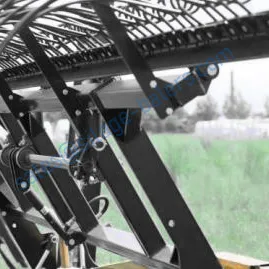
De mechanica van het persen van kuilvoer.
The basic working principle of a silage baler is to collect chopped silage, compress it, and then tightly wrap it with plastic film to form a sealed whole. This process not only reduces feed spoilage but also extends the shelf life of the feed through anaerobic fermentation. Silage balers vary in design, but they typically share some common features to optimize efficiency and effectiveness.
Key Components of a Silage Baler
- Feeding Mechanism: The feeding system is crucial as it draws in the cut forage and directs it towards the compression chamber. This can include augers or rollers that ensure a steady flow of material.
- Compression Chamber: This is where the forage is compacted to reduce air pockets, which is vital for preventing spoilage during storage.
- Wrapping System: After compression, the silage is wrapped in plastic film. This step is fundamental for creating an airtight seal, allowing for the necessary anaerobic fermentation to take place.
- Tie-off Mechanism: Once wrapped, the baler ensures that the bale is securely tied off, maintaining its integrity during storage and transport.
The Importance of Silage in Animal Nutrition
Silage is an important component of livestock diets, especially during the winter when fresh pasture is scarce. Its fermentation process not only preserves the nutrients in the pasture but also improves its digestibility. This is particularly beneficial for ruminants such as cattle and sheep, whose digestive systems are adapted to fermenting fibrous plant materials.
Nutritional Benefits of Silage
Properly prepared silage is rich in carbohydrates, protein, vitamins, and minerals, all essential for livestock health and productivity. The fermentation process improves the utilization of energy and nutrients, thus promoting weight gain and milk production. Furthermore, the moisture content of silage (typically between 60% and 70%) ensures livestock stay adequately hydrated, which is especially important during dry seasons.
Soorten kuilbalenpersen
Silage balers come in various configurations, each tailored to specific needs and forage types. The primary types include:
Round Silage Balers
Round balers are among the most common types found on farms today. They produce cylindrical bales that are easy to handle and store. These balers are efficient in terms of both time and labor, allowing farmers to quickly process large quantities of forage. The round shape also facilitates better moisture drainage, reducing the risk of spoilage.
Square Silage Balers
Square balers, while less common than their round counterparts in silage production, offer the advantage of stacking and storing bales in a more space-efficient manner. These bales can be easier to transport, as they can be loaded onto trucks or trailers without the need for specialized equipment.
Operational Efficiency and Technological Advances
The evolution of silage balers has been marked by numerous technological innovations that enhance their operational efficiency. Modern silage balers are equipped with advanced features such as:
- Automatic Moisture Sensors: These sensors help farmers gauge the moisture content of the forage in real-time, ensuring optimal conditions for silage production.
- GPS Technology: Some balers now incorporate GPS systems to track field coverage and optimize baling routes, reducing both time and fuel consumption.
- Telematics: Advanced balers utilize telematics to monitor performance data, allowing farmers to make informed decisions about maintenance and operation.
Best Practices for Silage Production
To maximize the benefits of silage, farmers must adhere to best practices throughout the baling process. These practices include:
Timely Harvesting
Forage should be harvested at the optimal stage of growth, typically when it is at the boot to early flowering stage. This timing ensures maximum nutrient density and palatability. Delaying harvest can lead to decreased quality and potential nutrient loss.
Proper Storage Conditions
After baling, maintaining proper storage conditions is essential for maximizing the quality of silage. Bales should be stored in a manner that protects them from moisture and direct sunlight. This can involve using tarps or constructing dedicated storage facilities.
Regular Monitoring
Farmers should regularly monitor their stored silage for signs of spoilage or fermentation issues. A well-managed silage storage system can help identify problems early, allowing for timely interventions.
Milieuoverwegingen
The environmental impact of silage production cannot be overlooked. While silage balers contribute to efficient feed production, they also raise questions about sustainability. Proper management practices can help mitigate the environmental consequences associated with silage production.
Improving Soil Health
By using cover crops and rotational grazing in conjunction with silage production, farmers can improve soil health and reduce erosion. These practices promote biodiversity and enhance the overall resilience of the farming ecosystem.
Reducing Carbon Footprint
Investing in energy-efficient balers and utilizing renewable energy sources can significantly reduce the carbon footprint associated with silage production. Additionally, implementing precision agriculture techniques can lead to more sustainable practices and resource management.
Challenges Faced by Farmers
Despite the advantages that silage balers offer, farmers face several challenges in the production process. These challenges can be broadly categorized into technical, economic, and environmental factors.
Technical Challenges
Technical challenges include the need for regular maintenance and the potential for mechanical failure during peak harvesting periods. Farmers must ensure their equipment is in good working condition to avoid costly downtimes.
Economic Considerations
The investment required for high-quality silage balers can be substantial. Farmers must weigh the costs against potential returns in terms of livestock productivity. Additionally, fluctuations in forage prices and market demands can impact profitability.
Environmental Regulations
As environmental regulations become more stringent, farmers may face increased scrutiny regarding their silage production methods. Adhering to these regulations often requires additional investment in technology and practices that can further complicate operations.
The Future of Silage Balers
Looking ahead, the development of silage balers is likely to be influenced by technological advancements and a growing emphasis on sustainability. Innovative technologies such as automation and artificial intelligence are expected to further improve silage production efficiency, while sustainable production methods will become a key component of compliance with environmental standards.
Emphasis on Data-Driven Decisions
As farmers adopt data-driven decision-making processes, the integration of silage balers with farm management software and analytics tools will become more prevalent. This shift will enable farmers to optimize their operations based on real-time data, ultimately leading to improved efficiency and productivity.
Innovations in Forage Genetics
Advances in forage genetics promise to develop higher-yielding, more nutrient-rich forage crops. These innovations, combined with the capabilities of silage balers, will enable farmers to produce high-quality feed, thus ensuring animal health.
Silage balers are key to efficient animal nutrition, bridging the gap between field operations and feeding programs. By improving the retention of forage nutrients and promoting efficient feed storage, silage balers are revolutionizing livestock management. As the agricultural landscape continues to evolve, silage balers will undoubtedly develop accordingly, ensuring that farmers can meet the nutritional needs of their animals while addressing the challenges of modern agriculture.
Van veld tot voer: de impact van silagepersen op diervoeding
Introduction to Silage Baling
Silage balers have revolutionized agriculture, particularly in animal nutrition. These machines simplify the process of converting forage into stable, nutrient-rich feed, playing a vital role in modern agricultural practices. Advances in silage baling technology have improved the quality and efficiency of feed production, directly impacting livestock health and productivity.
The Importance of Silage in Animal Nutrition
Silage is a vital component of ruminant diets. Properly fermented, silage provides abundant energy, essential nutrients, and fiber. The silage production process involves harvesting green fodder (usually pasture or corn) and then anaerobic fermentation. This method not only preserves the nutritional value of the crop but also prevents spoilage, allowing farmers to store feed for winter or dry seasons.
Pre-Installation Data Comparison
Before diving into the advantages of using silage balers, it’s important to examine the state of forage preservation prior to their widespread adoption.
Case Study: Implementation of Silage Balers
Let’s explore a case study involving a mid-sized dairy farm in the UK, which adopted silage balers to improve its feed quality and overall livestock performance.
Farm Background
The farm, operating on 150 hectares, primarily focused on dairy production. Prior to the implementation of silage balers, the farm struggled with feed quality during the winter months. Traditional methods led to inconsistent nutrition levels, affecting milk yield and overall herd health.
Transition to Silage Baling
In 2021, the farm invested in a state-of-the-art silage baler designed for high efficiency and precision. The specific model chosen was the EP 9GD, known for its traction capabilities and single-blade operation, which enhance cutting efficiency and reduce contaminants.
Results and Impact on Animal Nutrition
The results from implementing silage balers were profound and quantifiable.
Milieuoverwegingen
The environmental implications of switching to silage balers cannot be overlooked. By reducing dry matter loss, the farm decreased the need for additional feed sources, thereby minimizing their carbon footprint.
Resource Efficiency
The efficiency of using a silage baler directly correlates to sustainable farming practices. Reduced spoilage and improved feed quality lead to less waste and more effective use of resources.
Future Prospects
As this case study demonstrates, silage baling technology holds immense promise for the future. Integrating intelligent technologies, such as sensors for moisture and nutrient analysis, can further optimize production processes, ensuring farmers can adapt to changing environmental conditions and maximize productivity.
The transition to silage balers represents a significant shift in agricultural practice, particularly in forage preservation and animal nutrition enhancement. The fusion of modern technology and traditional agricultural wisdom will pave a more sustainable and efficient path for livestock management.
Van veld tot voer: de impact van silagepersen op diervoeding
Introduction to Silage Baling
Silage balers have revolutionized agriculture, particularly in animal nutrition. These machines simplify the process of converting forage into stable, nutrient-rich feed, playing a vital role in modern agricultural practices. Advances in silage baling technology have improved the quality and efficiency of feed production, directly impacting livestock health and productivity.
The Importance of Silage in Animal Nutrition
Silage is a vital component of ruminant diets. Properly fermented, silage provides abundant energy, essential nutrients, and fiber. The silage production process involves harvesting green fodder (usually pasture or corn) and then anaerobic fermentation. This method not only preserves the nutritional value of the crop but also prevents spoilage, allowing farmers to store feed for winter or dry seasons.
Pre-Installation Data Comparison
Before diving into the advantages of using silage balers, it’s important to examine the state of forage preservation prior to their widespread adoption.
Traditional Methods
Traditionally, farmers relied on manual labor and rudimentary techniques for forage preservation. The comparison of nutritional content between manually harvested forage and baled silage illustrates the disparity:
– Protein Content: Manually harvested forage often showed a protein content ranging from 12% to 14%, subject to weather conditions and harvesting timing.
– Dry Matter Loss: Upon exposure to the atmosphere, up to 30% of the dry matter could be lost due to spoilage.
– Fermentation Quality: The fermentation quality of traditionally stored forage was inconsistent, leading to variability in animal health parameters.
In contrast, data from operations utilizing modern silage balers indicate significant improvements:
– Protein Content: Baled silage typically maintains protein levels at 14% to 16%, thanks to optimal fermentation.
– Dry Matter Loss: With proper sealing and anaerobic conditions, dry matter loss is reduced to less than 10%.
– Fermentation Quality: The controlled fermentation process results in a more uniform product, enhancing palatability and digestibility.
Case Study: Implementation of Silage Balers
Let’s explore a case study involving a mid-sized dairy farm in the UK, which adopted silage balers to improve its feed quality and overall livestock performance.
Farm Background
The farm, operating on 150 hectares, primarily focused on dairy production. Prior to the implementation of silage balers, the farm struggled with feed quality during the winter months. Traditional methods led to inconsistent nutrition levels, affecting milk yield and overall herd health.
Transition to Silage Baling
In 2021, the farm invested in a state-of-the-art silage baler, designed for efficient and precise operation. The specific model, EP 9GD, is known for its powerful traction and single-blade operation, which improves cutting efficiency and reduces contaminants.
Implementation Process
The transition involved several phases:
1. Training and Education: Staff underwent training to maximize the use of the silage baler, learning best practices in forage harvesting and storage.
2. Operational Adjustments: The farm adjusted its harvesting schedule, focusing on optimal timing to gather forage at peak nutritional value.
3. Post-Harvest Management: Baled silage was stored in a manner that ensured anaerobic conditions, utilizing plastic sheeting and weight systems.
Results and Impact on Animal Nutrition
The results from implementing silage balers were profound and quantifiable.
Improved Nutritional Profiles
Through analysis, the nutritional profiles of the feed improved significantly. The following metrics were recorded post-implementation:
– Increased Energy Density: The energy density of the feed increased from 2.8 Mcal/kg to 3.2 Mcal/kg, leading to improved weight gain and milk production.
– Consistency in Nutritional Content: The protein levels stabilized at 15.5%, significantly enhancing the overall health of the herd.
Animal Health and Production Metrics
The health and productivity of the dairy herd showed remarkable improvements:
– Milk Yield: Average milk yield rose from 25 liters per cow per day to 30 liters, reflecting enhanced feed efficiency.
– Reduced Incidence of Disease: The incidence of metabolic diseases decreased by 20%, attributed to the improved nutritional quality of the feed.
Milieuoverwegingen
The environmental implications of switching to silage balers cannot be overlooked. By reducing dry matter loss, the farm decreased the need for additional feed sources, thereby minimizing their carbon footprint.
Resource Efficiency
The efficiency of using a silage baler directly correlates to sustainable farming practices. Reduced spoilage and improved feed quality lead to less waste and more effective use of resources.
Future Prospects
As this case study illustrates, the future of silage baling technology promises even greater advancements. The integration of smart technology, such as sensors for moisture and nutrient analysis, could further enhance the process, ensuring that farmers can adapt to changing environmental conditions and maximize their productivity.
Van veld tot voer: de impact van silagepersen op diervoeding
Introduction to Silage Baling
Silage balers have revolutionized agriculture, particularly in animal nutrition. These machines simplify the process of converting forage into stable, nutrient-rich feed, playing a vital role in modern agricultural practices. Advances in silage baling technology have improved the quality and efficiency of feed production, directly impacting livestock health and productivity.
The Importance of Silage in Animal Nutrition
Silage is a vital component of ruminant diets. Properly fermented, silage provides abundant energy, essential nutrients, and fiber. The silage production process involves harvesting green fodder (usually pasture or corn) and then anaerobic fermentation. This method not only preserves the nutritional value of the crop but also prevents spoilage, allowing farmers to store feed for winter or dry seasons.
Pre-Installation Data Comparison
Before diving into the advantages of using silage balers, it’s important to examine the state of forage preservation prior to their widespread adoption.
Traditional Methods
Traditionally, farmers relied on manual labor and rudimentary techniques for forage preservation. The comparison of nutritional content between manually harvested forage and baled silage illustrates the disparity:
– Protein Content: Manually harvested forage often showed a protein content ranging from 12% to 14%, subject to weather conditions and harvesting timing.
– Dry Matter Loss: Upon exposure to the atmosphere, up to 30% of the dry matter could be lost due to spoilage.
– Fermentation Quality: The fermentation quality of traditionally stored forage was inconsistent, leading to variability in animal health parameters.
In contrast, data from operations utilizing modern silage balers indicate significant improvements:
– Protein Content: Baled silage typically maintains protein levels at 14% to 16%, thanks to optimal fermentation.
– Dry Matter Loss: With proper sealing and anaerobic conditions, dry matter loss is reduced to less than 10%.
– Fermentation Quality: The controlled fermentation process results in a more uniform product, enhancing palatability and digestibility.
Case Study: Implementation of Silage Balers
Let’s explore a case study involving a mid-sized dairy farm in the UK, which adopted silage balers to improve its feed quality and overall livestock performance.
Farm Background
The farm, operating on 150 hectares, primarily focused on dairy production. Prior to the implementation of silage balers, the farm struggled with feed quality during the winter months. Traditional methods led to inconsistent nutrition levels, affecting milk yield and overall herd health.
Transition to Silage Baling
In 2021, the farm invested in a state-of-the-art silage baler designed for high efficiency and precision. The specific model chosen was the EP 9GD, known for its traction capabilities and single-blade operation, which enhance cutting efficiency and reduce contaminants.
Implementation Process
The transition involved several phases:
1. Training and Education: Staff underwent training to maximize the use of the silage baler, learning best practices in forage harvesting and storage.
2. Operational Adjustments: The farm adjusted its harvesting schedule, focusing on optimal timing to gather forage at peak nutritional value.
3. Post-Harvest Management: Baled silage was stored in a manner that ensured anaerobic conditions, utilizing plastic sheeting and weight systems.
Results and Impact on Animal Nutrition
The results from implementing silage balers were profound and quantifiable.
Improved Nutritional Profiles
Through analysis, the nutritional profiles of the feed improved significantly. The following metrics were recorded post-implementation:
– Increased Energy Density: The energy density of the feed increased from 2.8 Mcal/kg to 3.2 Mcal/kg, leading to improved weight gain and milk production.
– Consistency in Nutritional Content: The protein levels stabilized at 15.5%, significantly enhancing the overall health of the herd.
Animal Health and Production Metrics
The health and productivity of the dairy herd showed remarkable improvements:
– Milk Yield: Average milk yield rose from 25 liters per cow per day to 30 liters, reflecting enhanced feed efficiency.
– Reduced Incidence of Disease: The incidence of metabolic diseases decreased by 20%, attributed to the improved nutritional quality of the feed.
Milieuoverwegingen
The environmental implications of switching to silage balers cannot be overlooked. By reducing dry matter loss, the farm decreased the need for additional feed sources, thereby minimizing their carbon footprint.
Resource Efficiency
The efficiency of using a silage baler directly correlates to sustainable farming practices. Reduced spoilage and improved feed quality lead to less waste and more effective use of resources.
Future Prospects
As this case study demonstrates, silage baling technology holds great promise for future development. Integrating smart technologies, such as sensors for moisture and nutrient analysis, can further optimize production processes, ensuring farmers can adapt to changing environmental conditions and maximize productivity.
Van veld tot voer: de impact van silagepersen op diervoeding
Introduction to Silage Baling
Silage balers have revolutionized agriculture, particularly in animal nutrition. These machines simplify the process of converting forage into stable, nutrient-rich feed, playing a vital role in modern agricultural practices. Advances in silage baling technology have improved the quality and efficiency of feed production, directly impacting livestock health and productivity.
The Importance of Silage in Animal Nutrition
Silage is a vital component of ruminant diets. Properly fermented, silage provides abundant energy, essential nutrients, and fiber. The silage production process involves harvesting green fodder (usually pasture or corn) and then anaerobic fermentation. This method not only preserves the nutritional value of the crop but also prevents spoilage, allowing farmers to store feed for winter or dry seasons.
Pre-Installation Data Comparison
Before diving into the advantages of using silage balers, it’s important to examine the state of forage preservation prior to their widespread adoption.
Traditional Methods
Traditionally, farmers relied on manual labor and rudimentary techniques for forage preservation. The comparison of nutritional content between manually harvested forage and baled silage illustrates the disparity:
– Protein Content: Manually harvested forage often showed a protein content ranging from 12% to 14%, subject to weather conditions and harvesting timing.
– Dry Matter Loss: Upon exposure to the atmosphere, up to 30% of the dry matter could be lost due to spoilage.
– Fermentation Quality: The fermentation quality of traditionally stored forage was inconsistent, leading to variability in animal health parameters.
In contrast, data from operations utilizing modern silage balers indicate significant improvements:
– Protein Content: Baled silage typically maintains protein levels at 14% to 16%, thanks to optimal fermentation.
– Dry Matter Loss: With proper sealing and anaerobic conditions, dry matter loss is reduced to less than 10%.
– Fermentation Quality: The controlled fermentation process results in a more uniform product, enhancing palatability and digestibility.
Case Study: Implementation of Silage Balers
Let’s explore a case study involving a mid-sized dairy farm in the UK, which adopted silage balers to improve its feed quality and overall livestock performance.
Farm Background
The farm, operating on 150 hectares, primarily focused on dairy production. Prior to the implementation of silage balers, the farm struggled with feed quality during the winter months. Traditional methods led to inconsistent nutrition levels, affecting milk yield and overall herd health.
Transition to Silage Baling
In 2021, the farm invested in a state-of-the-art silage baler, designed for efficient and precise operation. The specific model, EP 9GD, is known for its powerful traction and single-blade operation, which improves cutting efficiency and reduces contaminants.
Implementation Process
The transition involved several phases:
1. Training and Education: Staff underwent training to maximize the use of the silage baler, learning best practices in forage harvesting and storage.
2. Operational Adjustments: The farm adjusted its harvesting schedule, focusing on optimal timing to gather forage at peak nutritional value.
3. Post-Harvest Management: Baled silage was stored in a manner that ensured anaerobic conditions, utilizing plastic sheeting and weight systems.
Improved Nutritional Profiles
Through analysis, the nutritional profiles of the feed improved significantly. The following metrics were recorded post-implementation:
– Increased Energy Density: The energy density of the feed increased from 2.8 Mcal/kg to 3.2 Mcal/kg, leading to improved weight gain and milk production.
– Consistency in Nutritional Content: The protein levels stabilized at 15.5%, significantly enhancing the overall health of the herd.
Animal Health and Production Metrics
The health and productivity of the dairy herd showed remarkable improvements:
– Milk Yield: Average milk yield rose from 25 liters per cow per day to 30 liters, reflecting enhanced feed efficiency.
– Reduced Incidence of Disease: The incidence of metabolic diseases decreased by 20%, attributed to the improved nutritional quality of the feed.
Milieuoverwegingen
The environmental implications of switching to silage balers cannot be overlooked. By reducing dry matter loss, the farm decreased the need for additional feed sources, thereby minimizing their carbon footprint.
Resource Efficiency
The efficiency of using a silage baler directly correlates to sustainable farming practices. Reduced spoilage and improved feed quality lead to less waste and more effective use of resources.
Future Prospects
As this case study demonstrates, silage baling technology holds great promise for future development. Integrating smart technologies, such as sensors for moisture and nutrient analysis, can further optimize production processes, ensuring farmers can adapt to changing environmental conditions and maximize productivity.
bewerkt door gzl