
Badanie roli pras do kiszonki w nowoczesnych praktykach rolniczych
Czym jest prasa do kiszonki?
Prasy do kiszonki to niezbędne maszyny w produkcji rolnej, wykorzystywane głównie do produkcji kiszonki, czyli fermentowanej paszy dla zwierząt gospodarskich. Kiszonka powstaje w wyniku fermentacji zielonych materiałów roślinnych (zazwyczaj pastwisk lub kukurydzy) w warunkach beztlenowych, co pozwala zachować ich wartości odżywcze. Prasy do kiszonki prasują paszę w ciasne bele, ułatwiając jej przenoszenie, transport i przechowywanie.
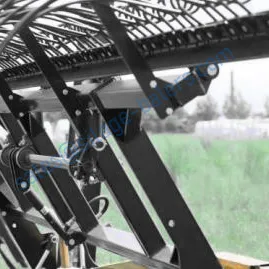
Zrozumienie mechanizmu pras do kiszonki
Podstawową funkcją prasy do kiszonki jest zbieranie, cięcie i prasowanie kiszonki w bele. Zazwyczaj prasa jest ciągnięta przez ciągnik i zbiera posiekaną kiszonkę na polu. Po umieszczeniu w prasie, kiszonka jest cięta na mniejsze kawałki przez szereg noży, co wspomaga fermentację.
Posiekana kiszonka jest następnie mocno prasowana w bele. W zależności od modelu prasy i specyficznych potrzeb gospodarstwa, rozmiary bel wahają się od małych bel okrągłych do dużych bel kwadratowych. Kluczową funkcją nowoczesnych pras do kiszonki jest możliwość automatycznego owijania bel folią. Ten proces owijania jest kluczowy dla utrzymania beztlenowego środowiska niezbędnego do efektywnej fermentacji.
Znaczenie kiszonki w żywieniu zwierząt gospodarskich
Kiszonka jest ważnym składnikiem diety zwierząt gospodarskich, szczególnie zimą, gdy brakuje świeżej paszy. Proces fermentacji pozwala zachować cukry i składniki odżywcze zawarte w świeżej paszy, co czyni ją cennym źródłem paszy. Wysoka wilgotność kiszonki (zazwyczaj około 60% do 70%) pomaga ją konserwować i zapobiega psuciu się.
Korzyści odżywcze
Kiszonka jest bogata w energię, błonnik i niezbędne składniki odżywcze, które są kluczowe dla zdrowia i wydajności zwierząt gospodarskich. Na przykład kiszonka z kukurydzy jest bogata w łatwostrawne węglowodany, co pomaga krowom mlecznym produkować mleko. Kiszonka z paszy objętościowej natomiast dostarcza przeżuwaczom wystarczającą ilość błonnika do trawienia, pomagając utrzymać zdrowie jelit i ogólne dobrostan zwierząt.
Rodzaje pras do kiszonki
Istnieje kilka rodzajów pras do kiszonki, z których każda została zaprojektowana z myślą o różnych potrzebach rolniczych. Do najpopularniejszych typów należą:
Prasy okrągłe
Prasy zwijające są szeroko stosowane w wielu gospodarstwach rolnych ze względu na ich wydajne możliwości belowania. Prasy te zbierają siano i prasują je do kształtu cylindrycznego, co ułatwia transport i przechowywanie. Konstrukcja prasy zwijającej ułatwia również odprowadzanie wody, zmniejszając tym samym ryzyko gnicia i psucia się produktu.
Prasy kostkujące
Prasy kostkujące produkują bele prostokątne, które są bardziej wydajne w układaniu w stosy niż bele okrągłe. Są one generalnie bardziej popularne, ponieważ są łatwiejsze w obsłudze i przechowywaniu. Chociaż owijanie kiszonki może wymagać więcej czynności, ich kompaktowy kształt pozwala rolnikom maksymalnie wykorzystać przestrzeń magazynową.
Nowoczesne innowacje w technologii pras do kiszonki
Rozwój pras do kiszonki przyniósł znaczący postęp technologiczny, zwiększając wydajność i użyteczność. Jedną z najważniejszych innowacji jest integracja automatyzacji i technik rolnictwa precyzyjnego.
GPS i rolnictwo precyzyjne
Wiele nowoczesnych pras do kiszonki jest wyposażonych w technologię GPS, która pozwala rolnikom mapować pola, optymalizować trasy belowania i ograniczać nakładanie się prac polowych. Ta precyzja przekłada się na lepsze zarządzanie zasobami, mniejsze zużycie paliwa i większą wydajność, gwarantując efektywne wykorzystanie każdego centymetra ziemi.
Inteligentne systemy monitorowania
Niektóre zaawansowane prasy do kiszonki są obecnie wyposażone w inteligentne systemy monitorowania, które dostarczają danych o procesie belowania w czasie rzeczywistym. Systemy te mogą śledzić masę beli, wilgotność, a nawet wydajność samego procesu belowania. Dane te pozwalają rolnikom podejmować świadome decyzje dotyczące swoich działań, gwarantując produkcję wysokiej jakości kiszonki.
Aspekty środowiskowe w produkcji kiszonki
Produkcja kiszonki, choć korzystna dla żywienia zwierząt gospodarskich, rodzi również problemy środowiskowe, z którymi muszą zmierzyć się nowoczesne praktyki rolnicze. Jednym z istotnych problemów jest wpływ produkcji kiszonki na zdrowie gleby i bioróżnorodność.
Zdrowie gleby
Zrównoważone praktyki produkcji kiszonki obejmują płodozmian i uprawy okrywowe, które poprawiają strukturę i żyzność gleby. Stosując płodozmian z roślinami strączkowymi lub innymi uprawami, rolnicy mogą poprawić poziom azotu w glebie, zmniejszając zapotrzebowanie na nawozy syntetyczne. Praktyka ta nie tylko wspiera ekosystem, ale także przyczynia się do długoterminowej rentowności gospodarstwa.
Różnorodność biologiczna i ochrona siedlisk
Utrzymanie bioróżnorodności ma kluczowe znaczenie dla zdrowia ekosystemów rolniczych. Stosowanie zróżnicowanych upraw kiszonkowych może sprzyjać rozwojowi pożytecznych owadów, ptaków i innych dzikich zwierząt. Wdrażając zrównoważone praktyki, rolnicy mogą tworzyć siedliska, które przyczyniają się do ogólnego stanu zdrowia ich krajobrazów rolniczych.
Wyzwania w produkcji kiszonki
Pomimo licznych zalet produkcji kiszonki, rolnicy wciąż muszą stawiać czoła pewnym wyzwaniom. Mogą one znacząco wpłynąć na jakość kiszonki i wydajność procesu belowania.
Warunki atmosferyczne
Pogoda odgrywa kluczową rolę w produkcji kiszonki. Nadmierne opady deszczu zwiększają wilgotność paszy, co prowadzi do słabej fermentacji i psucia się. Z kolei susza ogranicza wzrost i plony paszy, utrudniając produkcję wystarczającej ilości kiszonki, aby zaspokoić potrzeby zwierząt gospodarskich. Rolnicy muszą uważnie monitorować zmiany pogody i odpowiednio dostosowywać swoje plany produkcji kiszonki.
Przechowywanie i konserwacja
Prawidłowe przechowywanie bel kiszonki ma kluczowe znaczenie dla zapobiegania psuciu się kiszonki i utracie składników odżywczych. Bele muszą być odpowiednio owinięte i przechowywane w sposób minimalizujący kontakt z powietrzem i wilgocią. Częstym wyzwaniem dla rolników jest zapewnienie odpowiednich i dobrze utrzymanych magazynów, aby utrzymać jakość kiszonki przez cały sezon żywienia.
Przyszłość pras do kiszonki w rolnictwie
Wraz z rozwojem rolnictwa ewoluują również technologie i praktyki związane z prasami do kiszonki. Trend automatyzacji i rolnictwa opartego na danych prawdopodobnie się utrzyma, co przełoży się na jeszcze wydajniejsze i łatwiejsze w obsłudze maszyny.
Integracja z innym sprzętem rolniczym
Przyszłe prasy do kiszonki mogą w coraz większym stopniu integrować się z innymi maszynami rolniczymi, takimi jak sieczkarnie samojezdne i ciągniki, zapewniając płynny przepływ pracy. Współdzielenie danych między maszynami może zoptymalizować cały proces zbioru paszy, produkcji kiszonki i zarządzania paszą.
Inicjatywy na rzecz zrównoważonego rozwoju
Dążenie do zrównoważonych praktyk rolniczych ukształtuje przyszłość pras do kiszonki. W miarę jak rolnicy dążą do zmniejszenia swojego śladu węglowego i zwiększenia bioróżnorodności, konstrukcja pras będzie prawdopodobnie obejmować bardziej ekologiczne materiały i energooszczędne technologie. Ta ewolucja będzie wspierać nie tylko cele rolników, ale także globalne działania na rzecz zrównoważonego rozwoju.
Studium przypadku: Wpływ kosiarki jednoostrzowej EP-9GD 2.5 Traction na produkcję kiszonki
W nowoczesnym rolnictwie optymalizacja produkcji kiszonki ma kluczowe znaczenie. Ciągniona kosiarka jednoostrzowa EP-9GD 2.5 jest doskonałym przykładem zaawansowanego sprzętu, który spełnia złożone potrzeby rolników. Niniejszy artykuł przedstawia szczegółowe studium przypadku, podkreślając zwiększoną wydajność operacyjną uzyskaną dzięki tej kosiarce oraz porównując różne wskaźniki wydajności przed i po instalacji.
Zrozumienie kosiarki jednoostrzowej EP-9GD 2.5 Traction
Kosiarka EP-9GD z pojedynczym ostrzem i napędem 2,5 mm została zaprojektowana z myślą o maksymalnej wydajności w zróżnicowanych warunkach rolniczych. Dzięki najnowocześniejszej konstrukcji, kosiarka nadaje się do pracy z różnymi rodzajami pasz, co czyni ją niezastąpionym narzędziem do produkcji kiszonki. Specyfikacja tej kosiarki obejmuje:
- Szerokość koszenia: 2,5 metra
- Zapotrzebowanie na moc: 60-80 KM
- Waga: 450 kg
- Typ ostrza: Pojedyncze, ze stali o wysokiej wytrzymałości
Dane przedinstalacyjne: punkt wyjścia do ulepszeń
Przed instalacją kosiarki EP-9GD 2.5 gospodarstwo korzystało ze starszej kosiarki, która nie spełniała oczekiwań w kilku kluczowych obszarach. Zarejestrowano następujące wskaźniki:
- Średnia prędkość cięcia: 3 km/h
- Zużycie paliwa: 10 litrów/godzinę
- Wydajność zbioru: 70%
- Koszty utrzymania: 1200 funtów rocznie
Liczby te stanowiły istotne ograniczenie możliwości operacyjnych gospodarstwa, ograniczając ogólną wydajność i rentowność. Stary sprzęt miał problemy z nierównym terenem, co prowadziło do nierównomiernych wysokości koszenia i wydłużenia czasu odrostu.
Montaż kosiarki EP-9GD 2.5
Integracja kosiarki EP-9GD 2.5 z działalnością gospodarstwa obejmowała kilka etapów, w tym szkolenia operatorów, kalibrację kosiarki pod kątem konkretnych rodzajów pasz oraz szczegółową ocenę istniejącej infrastruktury w celu zapewnienia kompatybilności. Proces instalacji zakończył się w ciągu dwóch dni, co znacznie skróciło czas przestoju.
Metryki po instalacji: analiza transformacji
Po instalacji, sześciomiesięczny okres ewaluacji dostarczył kluczowych informacji na temat wydajności EP-9GD 2.5. Dane zebrane po instalacji przedstawiają się następująco:
- Średnia prędkość cięcia: 6 km/h
- Zużycie paliwa: 6 litrów/godzinę
- Wydajność zbioru: 90%
- Koszty utrzymania: 400 funtów rocznie
Poprawa wydajności cięcia
Zwiększenie prędkości koszenia z 3 km/h do 6 km/h obrazuje zwiększoną wydajność, jaką oferuje model EP-9GD 2.5. To ulepszenie nie tylko przyspiesza proces zbioru, ale także pozwala na terminową produkcję kiszonki, co ma kluczowe znaczenie dla zachowania jakości paszy.
Zmniejszenie zużycia paliwa
Zużycie paliwa uległo znacznemu zmniejszeniu, spadając z 10 do 6 litrów na godzinę. To zmniejszenie przekłada się na znaczne oszczędności kosztów w całym sezonie operacyjnym, a także na mniejszy wpływ na środowisko, co jest zgodne z nowoczesnymi, zrównoważonymi praktykami rolniczymi.
Poprawiona wydajność zbiorów
Skok z wydajności zbioru 70% do 90% oznacza znaczną poprawę wydajności. Wyższa wydajność koreluje bezpośrednio ze wzrostem plonów, korzystnie wpływając na ogólną rentowność gospodarstwa.
Długoterminowe konsekwencje i rozważania
Modernizacja kosiarki EP-9GD 2.5 to coś więcej niż tylko poprawa wydajności; to fundamentalna zmiana w filozofii operacyjnej. Znaczenie wdrażania zaawansowanych maszyn wykracza daleko poza doraźne wskaźniki wydajności; leży w ich zdolności do osiągnięcia długoterminowego, zrównoważonego rozwoju i adaptacji do stale zmieniającego się środowiska rolniczego.
Rolnicy mogą wówczas skupić swoją energię na bardziej strategicznym planowaniu, wykorzystując czas zaoszczędzony dzięki większej szybkości działania na inne aspekty zarządzania gospodarstwem, takie jak wypas rotacyjny i dbanie o zdrowie gleby.
Wyzwania i adaptacje
Pomimo licznych zalet kosiarki EP-9GD 2.5, jej wdrożenie i promocja nie obyły się bez wyzwań. Początkowe problemy obejmowały konieczność dostosowania się operatorów do wyższych prędkości i charakterystyki obsługi kosiarki. Ciągłe szkolenia i mechanizmy informacji zwrotnej odegrały kluczową rolę w pokonaniu tych przeszkód, zapewniając wszystkim pracownikom możliwość umiejętnego wykorzystania pełnej wydajności kosiarki.
Przyszłe perspektywy produkcji kiszonki
Ciągniona kosiarka jednoostrzowa EP-9GD 2.5 jest doskonałym przykładem ewolucji maszyn do produkcji kiszonki. Wraz z ciągłym rozwojem innowacyjnych technologii, rolnicy muszą zachować czujność i aktywnie dostosowywać się do nowych technologii, które mogą jeszcze bardziej uprościć operacje i zwiększyć wydajność.
Podsumowując, studium przypadku EP-9GD 2.5 dobitnie pokazuje transformacyjną moc nowoczesnych maszyn rolniczych. Ulepszenia w zakresie prędkości cięcia, oszczędności paliwa i wydajności zbiorów w pełni odzwierciedlają jego wartość, czyniąc go kamieniem węgielnym dla przyszłościowych gospodarstw rolnych.
Studium przypadku: Wpływ kosiarki jednoostrzowej EP-9GD 2.5 Traction na produkcję kiszonki
W nowoczesnym rolnictwie optymalizacja produkcji kiszonki ma kluczowe znaczenie. Ciągniona kosiarka jednoostrzowa EP-9GD 2.5 jest doskonałym przykładem zaawansowanego sprzętu, który spełnia złożone potrzeby rolników. Niniejszy artykuł przedstawia szczegółowe studium przypadku, podkreślając zwiększoną wydajność operacyjną uzyskaną dzięki tej kosiarce oraz porównując różne wskaźniki wydajności przed i po instalacji.
Zrozumienie kosiarki jednoostrzowej EP-9GD 2.5 Traction
Kosiarka EP-9GD z pojedynczym ostrzem i napędem 2,5 mm została zaprojektowana z myślą o maksymalnej wydajności w zróżnicowanych warunkach rolniczych. Dzięki najnowocześniejszej konstrukcji, kosiarka nadaje się do pracy z różnymi rodzajami pasz, co czyni ją niezastąpionym narzędziem do produkcji kiszonki. Specyfikacja tej kosiarki obejmuje:
- Szerokość koszenia: 2,5 metra
- Zapotrzebowanie na moc: 60-80 KM
- Waga: 450 kg
- Typ ostrza: Pojedyncze, ze stali o wysokiej wytrzymałości
Dane przedinstalacyjne: punkt wyjścia do ulepszeń
Przed instalacją kosiarki EP-9GD 2.5 gospodarstwo korzystało ze starszej kosiarki, która nie spełniała oczekiwań w kilku kluczowych obszarach. Zarejestrowano następujące wskaźniki:
- Średnia prędkość cięcia: 3 km/h
- Zużycie paliwa: 10 litrów/godzinę
- Wydajność zbioru: 70%
- Koszty utrzymania: 1200 funtów rocznie
Liczby te stanowiły istotne ograniczenie możliwości operacyjnych gospodarstwa, ograniczając ogólną wydajność i rentowność. Stary sprzęt miał problemy z nierównym terenem, co prowadziło do nierównomiernych wysokości koszenia i wydłużenia czasu odrostu.
Montaż kosiarki EP-9GD 2.5
Integracja kosiarki EP-9GD 2.5 z działalnością gospodarstwa obejmowała kilka etapów, w tym szkolenia operatorów, kalibrację kosiarki pod kątem konkretnych rodzajów pasz oraz szczegółową ocenę istniejącej infrastruktury w celu zapewnienia kompatybilności. Proces instalacji zakończył się w ciągu dwóch dni, co znacznie skróciło czas przestoju.
Metryki po instalacji: analiza transformacji
Po instalacji, sześciomiesięczny okres ewaluacji dostarczył kluczowych informacji na temat wydajności EP-9GD 2.5. Dane zebrane po instalacji przedstawiają się następująco:
- Średnia prędkość cięcia: 6 km/h
- Zużycie paliwa: 6 litrów/godzinę
- Wydajność zbioru: 90%
- Koszty utrzymania: 400 funtów rocznie
Poprawa wydajności cięcia
Zwiększenie prędkości koszenia z 3 km/h do 6 km/h obrazuje zwiększoną wydajność, jaką oferuje model EP-9GD 2.5. To ulepszenie nie tylko przyspiesza proces zbioru, ale także pozwala na terminową produkcję kiszonki, co ma kluczowe znaczenie dla zachowania jakości paszy.
Zmniejszenie zużycia paliwa
Zużycie paliwa uległo znacznemu zmniejszeniu, spadając z 10 do 6 litrów na godzinę. To zmniejszenie przekłada się na znaczne oszczędności kosztów w całym sezonie operacyjnym, a także na mniejszy wpływ na środowisko, co jest zgodne z nowoczesnymi, zrównoważonymi praktykami rolniczymi.
Poprawiona wydajność zbiorów
Skok z wydajności zbioru 70% do 90% oznacza znaczną poprawę wydajności. Wyższa wydajność koreluje bezpośrednio ze wzrostem plonów, korzystnie wpływając na ogólną rentowność gospodarstwa.
Długoterminowe konsekwencje i rozważania
Modernizacja kosiarki EP-9GD 2.5 to coś więcej niż tylko poprawa wydajności; to fundamentalna zmiana w filozofii operacyjnej. Znaczenie wdrażania zaawansowanych maszyn wykracza daleko poza doraźne wskaźniki wydajności; leży w ich zdolności do osiągnięcia długoterminowego, zrównoważonego rozwoju i adaptacji do stale zmieniającego się środowiska rolniczego.
Rolnicy mogą wówczas skupić swoją energię na bardziej strategicznym planowaniu, wykorzystując czas zaoszczędzony dzięki większej szybkości działania na inne aspekty zarządzania gospodarstwem, takie jak wypas rotacyjny i dbanie o zdrowie gleby.
Wyzwania i adaptacje
Pomimo licznych zalet, integracja kosiarki EP-9GD 2.5 nie obyła się bez wyzwań. Początkowe problemy obejmowały konieczność dostosowania operatora do zwiększonej prędkości i dynamiki pracy kosiarki. Ciągłe szkolenia i pętle informacji zwrotnej były kluczowe dla pokonania tych przeszkód, zapewniając, że wszyscy pracownicy byli biegli w maksymalnym wykorzystaniu możliwości kosiarki.
Przyszłe perspektywy produkcji kiszonki
Ciągniona kosiarka jednoostrzowa EP-9GD 2.5 jest doskonałym przykładem ewolucji maszyn do produkcji kiszonki. Wraz z ciągłym rozwojem innowacyjnych technologii, rolnicy muszą zachować czujność i aktywnie dostosowywać się do nowych technologii, które mogą jeszcze bardziej uprościć operacje i zwiększyć wydajność.
Podsumowując, studium przypadku EP-9GD 2.5 dobitnie pokazuje transformacyjną moc nowoczesnych maszyn rolniczych. Ulepszenia w zakresie prędkości cięcia, oszczędności paliwa i wydajności zbiorów w pełni odzwierciedlają jego wartość, czyniąc go kamieniem węgielnym dla przyszłościowych gospodarstw rolnych.
Studium przypadku: Wpływ kosiarki jednoostrzowej EP-9GD 2.5 Traction na produkcję kiszonki
W nowoczesnym rolnictwie optymalizacja produkcji kiszonki ma kluczowe znaczenie. Ciągniona kosiarka jednoostrzowa EP-9GD 2.5 jest doskonałym przykładem zaawansowanego sprzętu, który spełnia złożone potrzeby rolników. Niniejszy artykuł przedstawia szczegółowe studium przypadku, podkreślając zwiększoną wydajność operacyjną uzyskaną dzięki tej kosiarce oraz porównując różne wskaźniki wydajności przed i po instalacji.
Zrozumienie kosiarki jednoostrzowej EP-9GD 2.5 Traction
Kosiarka EP-9GD z pojedynczym ostrzem i napędem 2,5 mm została zaprojektowana z myślą o maksymalnej wydajności w zróżnicowanych warunkach rolniczych. Dzięki najnowocześniejszej konstrukcji, kosiarka nadaje się do pracy z różnymi rodzajami pasz, co czyni ją niezastąpionym narzędziem do produkcji kiszonki. Specyfikacja tej kosiarki obejmuje:
- Szerokość koszenia: 2,5 metra
- Zapotrzebowanie na moc: 60-80 KM
- Waga: 450 kg
- Typ ostrza: Pojedyncze, ze stali o wysokiej wytrzymałości
Dane przedinstalacyjne: punkt wyjścia do ulepszeń
Przed instalacją kosiarki EP-9GD 2.5 gospodarstwo korzystało ze starszej kosiarki, która nie spełniała oczekiwań w kilku kluczowych obszarach. Zarejestrowano następujące wskaźniki:
- Średnia prędkość cięcia: 3 km/h
- Zużycie paliwa: 10 litrów/godzinę
- Wydajność zbioru: 70%
- Koszty utrzymania: 1200 funtów rocznie
Liczby te stanowiły istotne ograniczenie możliwości operacyjnych gospodarstwa, ograniczając ogólną wydajność i rentowność. Stary sprzęt miał problemy z nierównym terenem, co prowadziło do nierównomiernych wysokości koszenia i wydłużenia czasu odrostu.
Montaż kosiarki EP-9GD 2.5
Integracja kosiarki EP-9GD 2.5 z działalnością gospodarstwa obejmowała kilka etapów, w tym szkolenia operatorów, kalibrację kosiarki pod kątem konkretnych rodzajów pasz oraz szczegółową ocenę istniejącej infrastruktury w celu zapewnienia kompatybilności. Proces instalacji zakończył się w ciągu dwóch dni, co znacznie skróciło czas przestoju.
Metryki po instalacji: analiza transformacji
Po instalacji, sześciomiesięczny okres ewaluacji dostarczył kluczowych informacji na temat wydajności EP-9GD 2.5. Dane zebrane po instalacji przedstawiają się następująco:
- Średnia prędkość cięcia: 6 km/h
- Zużycie paliwa: 6 litrów/godzinę
- Wydajność zbioru: 90%
- Koszty utrzymania: 400 funtów rocznie
Poprawa wydajności cięcia
Zwiększenie prędkości koszenia z 3 km/h do 6 km/h obrazuje zwiększoną wydajność, jaką oferuje model EP-9GD 2.5. To ulepszenie nie tylko przyspiesza proces zbioru, ale także pozwala na terminową produkcję kiszonki, co ma kluczowe znaczenie dla zachowania jakości paszy.
Zmniejszenie zużycia paliwa
Zużycie paliwa uległo znacznemu zmniejszeniu, spadając z 10 do 6 litrów na godzinę. To zmniejszenie przekłada się na znaczne oszczędności kosztów w całym sezonie operacyjnym, a także na mniejszy wpływ na środowisko, co jest zgodne z nowoczesnymi, zrównoważonymi praktykami rolniczymi.
Poprawiona wydajność zbiorów
Skok z wydajności zbioru 70% do 90% oznacza znaczną poprawę wydajności. Wyższa wydajność koreluje bezpośrednio ze wzrostem plonów, korzystnie wpływając na ogólną rentowność gospodarstwa.
Długoterminowe konsekwencje i rozważania
Przejście na kosiarkę EP-9GD 2.5 to nie tylko ulepszenie ilościowe; to jakościowa zmiana w filozofii operacyjnej. Znaczenie wykorzystania zaawansowanych maszyn wykracza poza doraźne wskaźniki, uwzględniając długoterminową zrównoważoność i zdolność adaptacji do zmieniającego się krajobrazu rolniczego.
Rolnicy mogą skupić się na bardziej strategicznym planowaniu, wykorzystując czas zaoszczędzony dzięki szybszej pracy, aby skupić się na dodatkowych aspektach zarządzania gospodarstwem, np. wypasie rotacyjnym i działaniach na rzecz zdrowia gleby.
Wyzwania i adaptacje
Pomimo licznych zalet, integracja kosiarki EP-9GD 2.5 nie obyła się bez wyzwań. Początkowe problemy obejmowały konieczność dostosowania operatora do zwiększonej prędkości i dynamiki pracy kosiarki. Ciągłe szkolenia i pętle informacji zwrotnej były kluczowe dla pokonania tych przeszkód, zapewniając, że wszyscy pracownicy byli biegli w maksymalnym wykorzystaniu możliwości kosiarki.
Przyszłe perspektywy produkcji kiszonki
Ciągniona kosiarka jednoostrzowa EP-9GD 2.5 jest doskonałym przykładem ewolucji maszyn do produkcji kiszonki. Wraz z ciągłym rozwojem innowacyjnych technologii, rolnicy muszą zachować czujność i aktywnie dostosowywać się do nowych technologii, które mogą jeszcze bardziej uprościć operacje i zwiększyć wydajność.
Podsumowując, studium przypadku EP-9GD 2.5 dobitnie pokazuje transformacyjną moc nowoczesnych maszyn rolniczych. Ulepszenia w zakresie prędkości cięcia, oszczędności paliwa i wydajności zbiorów w pełni odzwierciedlają jego wartość, czyniąc go kamieniem węgielnym dla przyszłościowych gospodarstw rolnych.
Studium przypadku: Wpływ kosiarki jednoostrzowej EP-9GD 2.5 Traction na produkcję kiszonki
W nowoczesnym rolnictwie optymalizacja produkcji kiszonki ma kluczowe znaczenie. Ciągniona kosiarka jednoostrzowa EP-9GD 2.5 jest doskonałym przykładem zaawansowanego sprzętu, który spełnia złożone potrzeby rolników. Niniejszy artykuł przedstawia szczegółowe studium przypadku, podkreślając zwiększoną wydajność operacyjną uzyskaną dzięki tej kosiarce oraz porównując różne wskaźniki wydajności przed i po instalacji.
Zrozumienie kosiarki jednoostrzowej EP-9GD 2.5 Traction
Kosiarka EP-9GD z pojedynczym ostrzem i napędem 2,5 mm została zaprojektowana z myślą o maksymalnej wydajności w zróżnicowanych warunkach rolniczych. Dzięki najnowocześniejszej konstrukcji, kosiarka nadaje się do pracy z różnymi rodzajami pasz, co czyni ją niezastąpionym narzędziem do produkcji kiszonki. Specyfikacja tej kosiarki obejmuje:
- Szerokość koszenia: 2,5 metra
- Zapotrzebowanie na moc: 60-80 KM
- Waga: 450 kg
- Typ ostrza: Pojedyncze, ze stali o wysokiej wytrzymałości
Dane przedinstalacyjne: punkt wyjścia do ulepszeń
Przed instalacją kosiarki EP-9GD 2.5 gospodarstwo korzystało ze starszej kosiarki, która nie spełniała oczekiwań w kilku kluczowych obszarach. Zarejestrowano następujące wskaźniki:
- Średnia prędkość cięcia: 3 km/h
- Zużycie paliwa: 10 litrów/godzinę
- Wydajność zbioru: 70%
- Koszty utrzymania: 1200 funtów rocznie
Liczby te stanowiły istotne ograniczenie możliwości operacyjnych gospodarstwa, ograniczając ogólną wydajność i rentowność. Stary sprzęt miał problemy z nierównym terenem, co prowadziło do nierównomiernych wysokości koszenia i wydłużenia czasu odrostu.
Montaż kosiarki EP-9GD 2.5
Integracja kosiarki EP-9GD 2.5 z działalnością gospodarstwa rolnego obejmuje wiele etapów, w tym szkolenie operatorów, kalibrację kosiarki do konkretnych rodzajów paszy oraz kompleksową ocenę istniejącej infrastruktury w celu zapewnienia kompatybilności. Proces instalacji został ukończony w ciągu dwóch dni, minimalizując przestoje.
Metryki po instalacji: analiza transformacji
Po instalacji, sześciomiesięczny okres ewaluacji dostarczył kluczowych informacji na temat wydajności EP-9GD 2.5. Dane zebrane po instalacji przedstawiają się następująco:
- Średnia prędkość cięcia: 6 km/h
- Zużycie paliwa: 6 litrów/godzinę
- Wydajność zbioru: 90%
- Koszty utrzymania: 400 funtów rocznie
Poprawa wydajności cięcia
Zwiększenie prędkości koszenia z 3 km/h do 6 km/h obrazuje zwiększoną wydajność, jaką oferuje model EP-9GD 2.5. To ulepszenie nie tylko przyspiesza proces zbioru, ale także pozwala na terminową produkcję kiszonki, co ma kluczowe znaczenie dla zachowania jakości paszy.
Zmniejszenie zużycia paliwa
Zużycie paliwa uległo znacznemu zmniejszeniu, spadając z 10 do 6 litrów na godzinę. To zmniejszenie przekłada się na znaczne oszczędności kosztów w całym sezonie operacyjnym, a także na mniejszy wpływ na środowisko, co jest zgodne z nowoczesnymi, zrównoważonymi praktykami rolniczymi.
Poprawiona wydajność zbiorów
Skok z wydajności zbioru 70% do 90% oznacza znaczną poprawę wydajności. Wyższa wydajność koreluje bezpośrednio ze wzrostem plonów, korzystnie wpływając na ogólną rentowność gospodarstwa.
Długoterminowe konsekwencje i rozważania
Modernizacja kosiarki EP-9GD 2.5 to coś więcej niż tylko poprawa wydajności; to fundamentalna zmiana w filozofii operacyjnej. Znaczenie wdrażania zaawansowanych maszyn wykracza daleko poza doraźne wskaźniki wydajności; leży w ich zdolności do osiągnięcia długoterminowego, zrównoważonego rozwoju i adaptacji do stale zmieniającego się środowiska rolniczego.
Rolnicy mogą wówczas skupić swoją energię na bardziej strategicznym planowaniu, wykorzystując czas zaoszczędzony dzięki większej szybkości działania na inne aspekty zarządzania gospodarstwem, takie jak wypas rotacyjny i dbanie o zdrowie gleby.
Wyzwania i adaptacje
Pomimo licznych zalet, integracja kosiarki EP-9GD 2.5 nie obyła się bez wyzwań. Początkowe problemy obejmowały konieczność dostosowania operatora do zwiększonej prędkości i dynamiki pracy kosiarki. Ciągłe szkolenia i pętle informacji zwrotnej były kluczowe dla pokonania tych przeszkód, zapewniając, że wszyscy pracownicy byli biegli w maksymalnym wykorzystaniu możliwości kosiarki.
Przyszłe perspektywy produkcji kiszonki
Ciągniona kosiarka jednoostrzowa EP-9GD 2.5 jest doskonałym przykładem ewolucji maszyn do produkcji kiszonki. Wraz z ciągłym rozwojem innowacyjnych technologii, rolnicy muszą zachować czujność i aktywnie dostosowywać się do nowych technologii, które mogą jeszcze bardziej uprościć operacje i zwiększyć wydajność.
Podsumowując, studium przypadku EP-9GD 2.5 dobitnie pokazuje transformacyjną moc nowoczesnych maszyn rolniczych. Ulepszenia w zakresie prędkości cięcia, oszczędności paliwa i wydajności zbiorów w pełni odzwierciedlają jego wartość, czyniąc go kamieniem węgielnym dla przyszłościowych gospodarstw rolnych.
edytuj przez gzl