
Ewolucja pras do kiszonki: dogłębna analiza trendów branżowych
Czym jest prasa do kiszonki?
W nowoczesnym rolnictwie prasy do kiszonki stały się kwintesencją maszyn, kluczową dla efektywnego przechowywania i konserwacji roślin pastewnych. Zaprojektowane do zagęszczania i owijania zebranego materiału roślinnego, maszyny te wspomagają proces fermentacji, który przekształca świeżą paszę w kiszonkę – pożywną paszę dla zwierząt gospodarskich. Zrozumienie pras do kiszonki wymaga zagłębienia się w ich funkcjonalność, historię rozwoju oraz postęp technologiczny, który ukształtował ich obecną formę.
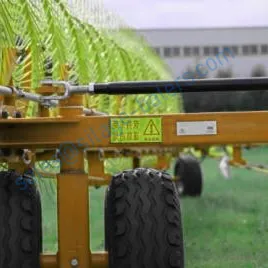
Funkcjonalność pras do kiszonki
Podstawową funkcją prasy do kiszonki jest prasowanie posiekanej kiszonki w bele, które następnie są owijane lub pakowane w celu zminimalizowania kontaktu z powietrzem. Głównym celem jest stworzenie środowiska beztlenowego, które umożliwia fermentację kiszonki, zachowując w ten sposób jej składniki odżywcze i wydłużając jej okres przydatności do spożycia. Proces ten jest szczególnie ważny w okresie szczytowego wzrostu kiszonki, zapewniając rolnikom możliwość przechowywania nadwyżek paszy na okres niedoborów paszy.
Prasy do kiszonki występują w różnych konstrukcjach i konfiguracjach, a ich możliwości można dostosować do konkretnych rodzajów kiszonki i prac rolniczych. Najpopularniejsze typy to prasy kostkujące i okrągłe. Prasy kostkujące produkują kompaktowe, prostokątne bele, łatwe do układania w stosy i transportu. Natomiast prasy okrągłe produkują bele cylindryczne, które lepiej odprowadzają wodę, dzięki czemu lepiej nadają się do przechowywania na zewnątrz.
Historyczny rozwój pras do kiszonki
Rozwój pras do kiszonki był świadkiem wielu ważnych wydarzeń, odzwierciedlających szersze trendy w rolnictwie. Początkowo rolnicy stosowali ręczne metody konserwacji siana, takie jak budowanie silosów lub silosów piętrowych, co wymagało znacznych nakładów pracy i czasu. Nadejście mechanizacji pod koniec XIX wieku zapoczątkowało nową erę i zapoczątkowało pojawienie się pierwszych pras do kiszonki.
Na początku XX wieku pojawiły się pierwsze prasy mechaniczne, o prymitywnej konstrukcji i zazwyczaj napędzane parą lub siłą koni mechanicznych. Maszyny te były wykorzystywane głównie do belowania siana, z ograniczonym zastosowaniem do produkcji kiszonki. Jednak wraz ze wzrostem zapotrzebowania na efektywne przechowywanie siana, producenci zaczęli wprowadzać innowacje. W połowie XX wieku pojawienie się pierwszych pras do kiszonki stanowiło punkt zwrotny. Maszyny te były wyposażone w automatyczne urządzenia do belowania i ulepszone systemy tnące, co zwiększało wydajność produkcji.
Postęp technologiczny w prasach do kiszonki
W dzisiejszych czasach postęp technologiczny wyniósł rozwój pras do kiszonki na niespotykany dotąd poziom. Nowoczesne prasy wyposażone są w liczne zaawansowane funkcje, które znacząco zwiększają wydajność, łatwość obsługi i wszechstronność. Jedną z godnych uwagi innowacji jest integracja technologii rolnictwa precyzyjnego, umożliwiająca rolnikom monitorowanie wzrostu upraw i plonów poprzez analizę danych.
Zaawansowane systemy hydrauliczne zapewniają lepszą kontrolę nad procesem belowania, umożliwiając operatorom regulację ciśnienia i gęstości w zależności od rodzaju przetwarzanej paszy. Co więcej, technologia GPS zrewolucjonizowała zarządzanie polem dla rolników, optymalizując trasy belowania i minimalizując nakładanie się prac.
Rola pras do kiszonki w zrównoważonym rolnictwie
W miarę jak sektor rolniczy coraz bardziej kładzie nacisk na zrównoważony rozwój, prasy do kiszonki odgrywają kluczową rolę w promowaniu praktyk przyjaznych dla środowiska. Umożliwiając efektywne przechowywanie nadwyżek paszy, maszyny te przyczyniają się do redukcji odpadów i poprawy recyklingu składników odżywczych w systemach rolniczych.
Minimalizacja odpadów dzięki efektywnemu zarządzaniu paszą
Jedną z głównych zalet pras do kiszonki jest ich zdolność do minimalizacji strat. W regionach o nieprzewidywalnym klimacie, możliwość efektywnego magazynowania paszy pozwala rolnikom zoptymalizować jej zasoby. To nie tylko korzystnie wpływa na produkcję zwierzęcą, ale także zmniejsza zależność od zewnętrznych dostawców pasz, obniżając tym samym emisję dwutlenku węgla podczas transportu i produkcji.
Co więcej, proces fermentacji podczas produkcji kiszonki poprawia strawność paszy, umożliwiając zwierzętom wydobycie z niej większej ilości składników odżywczych. Ta zwiększona strawność przekłada się na lepszy przyrost masy ciała i produkcję mleka, co dodatkowo wspiera zrównoważone praktyki rolnicze.
Poprawa zdrowia gleby poprzez uprawy okrywowe
Zastosowanie pras do kiszonki jest również zgodne ze strategiami uprawy roślin okrywowych, które zyskują na popularności wśród postępowych rolników. Umożliwiając terminowy zbiór roślin okrywowych, prasy umożliwiają rolnikom ponowne włączenie materii organicznej do gleby, poprawiając jej strukturę i żyzność. Praktyka ta nie tylko przyczynia się do wzrostu plonów, ale także sprzyja zdrowszemu ekosystemowi.
Patrząc w przyszłość: przyszłość pras do kiszonki
Rozwój pras do kiszonki wskazuje na ciągłą ewolucję, napędzaną podwójnym imperatywem: wydajności i zrównoważonego rozwoju. W obliczu nowych wyzwań dla rolnictwa, jakie niosą ze sobą zmiany klimatu, zapotrzebowanie na elastyczne i odporne maszyny staje się coraz bardziej krytyczne.
Automatyzacja i robotyka w belowaniu
Przyszłość może przynieść integrację automatyzacji i robotyki z procesem belowania. Autonomiczne prasy wyposażone w technologie sztucznej inteligencji mogą zrewolucjonizować branżę, umożliwiając dostosowywanie procesu w czasie rzeczywistym do warunków polowych i zmienności plonów. Ten poziom zaawansowania może nie tylko zwiększyć wydajność, ale także jeszcze bardziej zminimalizować straty.
Innowacje w zakresie zrównoważonego rozwoju
Innowacje w materiałach i wzornictwie to kolejny obszar warty zbadania. Producenci zaczynają eksperymentować z biodegradowalnymi materiałami opakowaniowymi, które znacząco zmniejszą wpływ na środowisko odpadów plastikowych, powszechnie występujących w tradycyjnych metodach belowania. Co więcej, energooszczędne konstrukcje i postęp w dziedzinie alternatywnych źródeł energii jeszcze bardziej dostosują prasy do kiszonki do Celów Zrównoważonego Rozwoju.
Krótko mówiąc, prasy do kiszonki stanowią kluczowe połączenie technologii, wydajności i zrównoważonego rozwoju we współczesnym rolnictwie. Ponieważ rolnicy coraz częściej poszukują innowacyjnych rozwiązań, które zwiększają wydajność i minimalizują wpływ na środowisko, rozwój pras do kiszonki odzwierciedla szersze trendy w branży.
Ewolucja pras do kiszonki: dogłębna analiza trendów branżowych
Wprowadzenie do pras do kiszonki
Sektor rolniczy odnotował w ciągu ostatnich kilku dekad znaczący postęp, szczególnie w dziedzinie produkcji kiszonki. Prasy do kiszonki odgrywają kluczową rolę w tym procesie, przekształcając rośliny pastewne w zwarte, poręczne bele. Ewolucja tych maszyn odzwierciedla szersze trendy w technologii rolniczej, wydajności i zrównoważonym rozwoju.
Kontekst historyczny
Prasy do kiszonki przeszły znaczące zmiany od momentu ich powstania. Wczesne modele, głównie mechaniczne, wymagały znacznej pracy ręcznej i charakteryzowały się ograniczeniami w zakresie pojemności i wydajności. Wprowadzenie pierwszych pras z napędem silnikowym w połowie XX wieku było przełomowym momentem, umożliwiając rolnikom produkcję kiszonki z większą szybkością i precyzją.
Wczesne modele kontra nowoczesne innowacje
Istotny postęp w nowoczesnych prasach w porównaniu z wcześniejszymi modelami polega na integracji technologicznej. Na przykład, podczas gdy wcześniejsze prasy działały w oparciu o proste zasady mechaniczne, nowoczesne maszyny integrują czujniki i systemy automatyczne. Ta zmiana umożliwia monitorowanie wilgotności w czasie rzeczywistym, co jest kluczowe dla produkcji wysokiej jakości kiszonki.
Postęp technologiczny napędza zmiany
Innowacje technologiczne były kamieniem węgielnym ewolucji pras do kiszonki. Jednym z najważniejszych osiągnięć było wprowadzenie technik rolnictwa precyzyjnego.
Rolnictwo precyzyjne
Wraz z pojawieniem się rolnictwa precyzyjnego, prasy do kiszonki mogą teraz wykorzystywać analizę danych do optymalizacji swoich operacji. Na przykład technologia GPS umożliwia precyzyjne mapowanie pól, pozwalając rolnikom na ustawienie pras na najbardziej produktywnych obszarach swoich pól. Dzięki temu każdy przejazd zapewnia maksymalną wydajność, redukując straty i zwiększając wydajność.
Automatyzacja i inteligentna technologia
Nowoczesne prasy do kiszonki są coraz częściej wyposażone w funkcje automatyzacji. Maszyny te mogą pracować autonomicznie, wykonując takie zadania, jak regulacja gęstości beli, zmiana rodzaju owijania oraz wybór optymalnego czasu belowania w zależności od wilgotności. Takie funkcje nie tylko poprawiają jakość produkowanej kiszonki, ale także minimalizują koszty pracy związane z obsługą ręczną.
Trendy zrównoważonego rozwoju w branży
W miarę jak kwestie środowiskowe stają się coraz ważniejsze w praktykach rolniczych, branża pras do kiszonki dostosowuje się do tych wyzwań. Zrównoważone praktyki nie tylko poprawiają jakość produkowanej kiszonki, ale także przyczyniają się do realizacji szerszych celów środowiskowych.
Zmniejszony ślad węglowy
Producenci koncentrują się na tworzeniu pras o mniejszym śladzie węglowym. Obejmuje to stosowanie lżejszych materiałów, poprawę efektywności paliwowej oraz integrację modeli elektrycznych lub hybrydowych. Takie zmiany nie tylko korzystnie wpływają na środowisko, ale także obniżają koszty operacyjne dla rolników.
Materiały biologiczne
Wykorzystanie materiałów biopochodnych w konstrukcji pras również zyskuje na popularności. Producenci poszukują alternatyw dla tradycyjnej stali, której produkcja bywa ciężka i energochłonna. Zastosowanie lżejszych, ekologicznych materiałów pozwala zmniejszyć całkowitą masę maszyn, zwiększając ich wydajność i łatwość obsługi.
Przyszłość pras do kiszonki
Patrząc w przyszłość, przyszłość pras do kiszonki jest gotowa na ciągłe innowacje. Wraz z rozwojem rolnictwa, kilka trendów prawdopodobnie wpłynie na konstrukcję i funkcjonalność tych maszyn.
Integracja z innymi maszynami rolniczymi
Przyszłe prasy do kiszonki mogą w coraz większym stopniu integrować się z innymi maszynami rolniczymi. Na przykład, połączenie pras z autonomicznymi ciągnikami lub sieczkarniami polowymi może zapewnić płynny przepływ pracy, minimalizując przestoje i maksymalizując wydajność. To zintegrowane podejście odzwierciedla rosnący trend w kierunku kompleksowych rozwiązań rolniczych.
Ulepszone interfejsy użytkownika
Wraz z postępem technologicznym, interfejsy użytkownika pras do kiszonki staną się bardziej intuicyjne. Operatorzy skorzystają z zaawansowanego oprogramowania oferującego analizy w czasie rzeczywistym i wsparcie w podejmowaniu decyzji. Ulepszone pulpity nawigacyjne mogą zapewnić wgląd w wydajność operacyjną, potrzeby konserwacyjne sprzętu, a nawet trendy rynkowe wpływające na ceny kiszonki.
Studium przypadku: Przejście ABC Farms
Firma ABC Farms, zlokalizowana na Środkowym Zachodzie, przedstawia przekonujące studium przypadku ilustrujące ewolucję pras do kiszonki. W 2010 roku gospodarstwo korzystało z prasy mechanicznej, która ograniczała wydajność do około 5 ton na godzinę. Dostrzegając potrzebę zwiększenia wydajności, właściciel zdecydował się zainwestować w nowoczesną prasę do kiszonki w 2020 roku.
Początkowe wyzwania
Przed modernizacją gospodarstwo borykało się z niedoborem siły roboczej, ponieważ ręczny system karmienia wymagał stałego nadzoru. Dodatkowo, zmienność jakości kiszonki budziła obawy dotyczące żywienia zwierząt gospodarskich i kosztów paszy.
Proces aktualizacji
Przejście na nową technologię wiązało się z przeprowadzeniem szeroko zakrojonych badań nad najnowszą technologią belowania. Firma ABC Farms zdecydowała się na model z automatycznym systemem podawania i kontroli wilgotności. Decyzja została podjęta na podstawie danych wskazujących na potencjalny wzrost wydajności i spadek kosztów pracy.
Wyniki po aktualizacji
Po instalacji rezultaty były imponujące. Nowa prasa zwiększyła wydajność ABC Farm do 15 ton na godzinę, jednocześnie znacząco zmniejszając nakłady pracy. Zautomatyzowany system kontroli wilgotności zapewnił stałą jakość kiszonki, poprawiając tym samym zdrowie zwierząt gospodarskich i obniżając koszty paszy.
Rozwój pras do kiszonki odzwierciedla zaangażowanie branży rolniczej w innowacje i zrównoważony rozwój. Wraz z postępem technologicznym potencjał wzrostu wydajności, poprawy jakości i ograniczenia wpływu na środowisko będzie się zwiększał. Ta ewolucja podkreśla wagę dostosowywania się do trendów w branży i skutecznego stawiania czoła wyzwaniom współczesnego rolnictwa.
Ewolucja pras do kiszonki: dogłębna analiza trendów branżowych
Wprowadzenie do pras do kiszonki
Sektor rolniczy odnotował w ciągu ostatnich kilku dekad znaczący postęp, szczególnie w dziedzinie produkcji kiszonki. Prasy do kiszonki odgrywają kluczową rolę w tym procesie, przekształcając rośliny pastewne w zwarte, poręczne bele. Ewolucja tych maszyn odzwierciedla szersze trendy w technologii rolniczej, wydajności i zrównoważonym rozwoju.
Kontekst historyczny
Prasy do kiszonki przeszły znaczące zmiany od momentu ich powstania. Wczesne modele, głównie mechaniczne, wymagały znacznej pracy ręcznej i charakteryzowały się ograniczeniami w zakresie pojemności i wydajności. Wprowadzenie pierwszych pras z napędem silnikowym w połowie XX wieku było przełomowym momentem, umożliwiając rolnikom produkcję kiszonki z większą szybkością i precyzją.
Wczesne modele kontra nowoczesne innowacje
Porównując wczesne prasy z konstrukcjami współczesnymi, zauważalnym obszarem postępu jest integracja technologii. Na przykład, wczesne prasy działały w oparciu o proste zasady mechaniczne, podczas gdy współczesne maszyny wykorzystują czujniki i automatyzację. Ta zmiana umożliwia monitorowanie poziomu wilgotności w czasie rzeczywistym, co jest kluczowe dla produkcji wysokiej jakości kiszonki.
Porównanie danych
Aby zobrazować ewolucję, rozważmy następujące dane:
- Prasy z początku lat 50. XX wieku:
- Wydajność: 1-2 tony paszy na godzinę
- Waga: około 1500 funtów
- Wydajność operacyjna: Wymagane ręczne podawanie
- Kontrola wilgotności: Ograniczona, co prowadzi do nierównomiernej jakości kiszonki
- Nowoczesne prasy do kiszonki (np. modele z 2023 r.):
- Wydajność: Do 20 ton paszy na godzinę
- Waga: od 3000 do 5000 funtów
- Wydajność operacyjna: Zautomatyzowane systemy karmienia z naprowadzaniem GPS
- Kontrola wilgotności: zaawansowane czujniki wilgoci i automatyczna regulacja
Takie postępy pozwoliły na radykalną poprawę wydajności i zmniejszenie nakładów pracy potrzebnych do produkcji kiszonki.
Postęp technologiczny napędza zmiany
Innowacje technologiczne były kamieniem węgielnym ewolucji pras do kiszonki. Jednym z najważniejszych osiągnięć było wprowadzenie technik rolnictwa precyzyjnego.
Rolnictwo precyzyjne
Wraz z pojawieniem się rolnictwa precyzyjnego, prasy do kiszonki mogą teraz wykorzystywać analizę danych do optymalizacji operacji. Na przykład technologia GPS umożliwia precyzyjne mapowanie pola, pozwalając rolnikom na kierowanie prasy na obszary pola o najwyższych plonach. Zapewnia to maksymalną wydajność przy każdej operacji, redukując straty i zwiększając wydajność.
Automatyzacja i inteligentna technologia
Nowoczesne prasy do kiszonki są coraz częściej wyposażone w funkcje automatyzacji. Maszyny te mogą pracować autonomicznie, wykonując takie zadania, jak regulacja gęstości beli, zmiana wzoru belowania i dobór optymalnego czasu belowania w oparciu o wilgotność. Funkcje te nie tylko poprawiają jakość kiszonki, ale także minimalizują koszty obsługi ręcznej.
Trendy zrównoważonego rozwoju w branży
W miarę jak kwestie środowiskowe stają się coraz ważniejsze w praktykach rolniczych, branża pras do kiszonki dostosowuje się do tych wyzwań. Zrównoważone praktyki nie tylko poprawiają jakość produkowanej kiszonki, ale także przyczyniają się do realizacji szerszych celów środowiskowych.
Zmniejszony ślad węglowy
Producenci koncentrują się na tworzeniu pras o mniejszym śladzie węglowym. Obejmuje to stosowanie lżejszych materiałów, poprawę efektywności paliwowej oraz integrację modeli elektrycznych lub hybrydowych. Takie zmiany nie tylko korzystnie wpływają na środowisko, ale także obniżają koszty operacyjne dla rolników.
Materiały biologiczne
Wykorzystanie materiałów biopochodnych w konstrukcji pras również zyskuje na popularności. Producenci poszukują alternatyw dla tradycyjnej stali, której produkcja bywa ciężka i energochłonna. Zastosowanie lżejszych, ekologicznych materiałów pozwala zmniejszyć całkowitą masę maszyn, zwiększając ich wydajność i łatwość obsługi.
Przyszłość pras do kiszonki
Patrząc w przyszłość, przyszłość pras do kiszonki jest gotowa na ciągłe innowacje. Wraz z rozwojem rolnictwa, kilka trendów prawdopodobnie wpłynie na konstrukcję i funkcjonalność tych maszyn.
Integracja z innymi maszynami rolniczymi
Przyszłe prasy do kiszonki mogą w coraz większym stopniu integrować się z innymi maszynami rolniczymi. Na przykład, połączenie pras z autonomicznymi ciągnikami lub sieczkarniami polowymi może zapewnić płynny przepływ pracy, minimalizując przestoje i maksymalizując wydajność. To zintegrowane podejście odzwierciedla rosnący trend w kierunku kompleksowych rozwiązań rolniczych.
Ulepszone interfejsy użytkownika
Wraz z postępem technologicznym, interfejsy użytkownika pras do kiszonki staną się bardziej intuicyjne. Operatorzy skorzystają z zaawansowanego oprogramowania oferującego analizy w czasie rzeczywistym i wsparcie w podejmowaniu decyzji. Ulepszone pulpity nawigacyjne mogą zapewnić wgląd w wydajność operacyjną, potrzeby konserwacyjne sprzętu, a nawet trendy rynkowe wpływające na ceny kiszonki.
Studium przypadku: Przejście ABC Farms
Firma ABC Farms, zlokalizowana na Środkowym Zachodzie, przedstawia przekonujące studium przypadku ilustrujące ewolucję pras do kiszonki. W 2010 roku gospodarstwo korzystało z prasy mechanicznej, która ograniczała wydajność do około 5 ton na godzinę. Dostrzegając potrzebę zwiększenia wydajności, właściciel zdecydował się zainwestować w nowoczesną prasę do kiszonki w 2020 roku.
Początkowe wyzwania
Przed modernizacją gospodarstwo borykało się z niedoborem siły roboczej, ponieważ ręczny system karmienia wymagał stałego nadzoru. Dodatkowo, zmienność jakości kiszonki budziła obawy dotyczące żywienia zwierząt gospodarskich i kosztów paszy.
Proces aktualizacji
Przejście na nową technologię wiązało się z przeprowadzeniem szeroko zakrojonych badań nad najnowszą technologią belowania. Firma ABC Farms zdecydowała się na model z automatycznym systemem podawania i kontroli wilgotności. Decyzja została podjęta na podstawie danych wskazujących na potencjalny wzrost wydajności i spadek kosztów pracy.
Wyniki po aktualizacji
Po instalacji rezultaty były oszałamiające. Nowa prasa pozwoliła firmie ABC Farms zwiększyć wydajność produkcyjną do 15 ton na godzinę, przy znacznym zmniejszeniu nakładów pracy. Zautomatyzowany system kontroli wilgotności zapewnił stałą jakość kiszonki, co przełożyło się na zdrowsze zwierzęta i niższe koszty paszy.
Trendy w dynamice rynku
Na rynek pras do kiszonki wpływają również czynniki ekonomiczne i zmieniające się preferencje konsumentów. Wraz ze wzrostem zapotrzebowania na wysokiej jakości pasze dla zwierząt, rolnicy poszukują lepszych rozwiązań zwiększających wydajność. Konkurencja między producentami napędza innowacje, prowadząc do ciągłego udoskonalania konstrukcji i funkcjonalności pras.
Segmenty rynków wschodzących
Nowe segmenty, takie jak rolnictwo ekologiczne i zrównoważone, wpływają na projektowanie pras do kiszonki. Te niszowe rynki wymagają sprzętu, który nie tylko spełnia wymagania funkcjonalne, ale także jest zgodny z praktykami ekologicznymi. Firmy opracowują specjalistyczne prasy, które odpowiadają tym nowym trendom.
Edukacja i zaangażowanie konsumentów
W dzisiejszym, dynamicznie zmieniającym się otoczeniu rynkowym, nie można przeoczyć znaczenia edukacji konsumentów. Rolnicy są coraz bardziej świadomi zalet nowoczesnych pras do kiszonki, co napędza popyt na narzędzia, które mogą poprawić wydajność i zrównoważony rozwój. Programy edukacyjne i demonstracje pomagają zniwelować lukę w wiedzy, umożliwiając rolnikom podejmowanie świadomych decyzji dotyczących wyboru sprzętu.
Współpraca i partnerstwa branżowe
Współpraca między interesariuszami sektora rolniczego jest niezbędna dla napędzania postępu. Producenci, naukowcy i rolnicy muszą ze sobą współpracować, aby identyfikować i stawiać czoła wyzwaniom stojącym przed branżą.
Inicjatywy badawczo-rozwojowe
Inwestycje w badania i rozwój są kluczowe, aby utrzymać się na czele trendów. Partnerstwa między uniwersytetami a producentami sprzętu rolniczego sprzyjają innowacjom w zakresie pras do kiszonki. Współpraca ta często prowadzi do przełomów technologicznych, zwiększając funkcjonalność i wydajność pras.
Platformy współdzielonej wiedzy
Tworzenie platform internetowych do wymiany najlepszych praktyk i doświadczeń zyskuje na popularności. Rolnicy mogą uzyskać dostęp do cennych informacji na temat optymalizacji produkcji kiszonki, wykorzystania nowoczesnych pras do belowania i wdrażania zrównoważonych praktyk. Takie inicjatywy wymiany wiedzy przyczyniają się do wspólnego rozwoju branży, napędzając ciągłe doskonalenie.
Ostatnie myśli
Ewolucja pras do kiszonki odzwierciedla zaangażowanie branży rolniczej w adaptację do zmian i innowacji. Dzięki ciągłemu postępowi technologicznemu i nieuniknionemu trendowi zrównoważonego rozwoju, przyszłość pras do kiszonki rysuje się w jasnych barwach. Dzięki pełnemu wykorzystaniu postępu technologicznego, naciskowi na zrównoważony rozwój i promowaniu współpracy, branża jest dobrze przygotowana do efektywnego zaspokajania potrzeb współczesnego rolnictwa.
Ewolucja pras do kiszonki: dogłębna analiza trendów branżowych
Wprowadzenie do pras do kiszonki
W ciągu ostatnich kilku dekad w rolnictwie dokonał się znaczący postęp, szczególnie w produkcji kiszonki. Prasy do kiszonki odgrywają kluczową rolę w tym procesie, przetwarzając paszę w zwarte, łatwe w obsłudze bele. Ewolucja tych maszyn odzwierciedla szersze trendy w technologii rolniczej, wydajności i zrównoważonym rozwoju.
Kontekst historyczny
Prasy do kiszonki przeszły znaczące zmiany od czasu ich wynalezienia. Wczesne modele były głównie mechaniczne, wymagały rozległej obsługi ręcznej i charakteryzowały się ograniczoną pojemnością i wydajnością. Pojawienie się pierwszych pras z napędem silnikowym w połowie XX wieku było punktem zwrotnym, umożliwiając rolnikom szybszą i bardziej precyzyjną produkcję kiszonki.
Wczesne modele kontra nowoczesne innowacje
Istotny postęp w nowoczesnych prasach w porównaniu z wcześniejszymi modelami polega na integracji technologicznej. Na przykład, podczas gdy wcześniejsze prasy działały w oparciu o proste zasady mechaniczne, nowoczesne maszyny integrują czujniki i systemy automatyczne. Ta zmiana umożliwia monitorowanie wilgotności w czasie rzeczywistym, co jest kluczowe dla produkcji wysokiej jakości kiszonki.
Porównanie danych
Aby zobrazować ewolucję, rozważmy następujące dane:
- Prasy z początku lat 50. XX wieku:
- Wydajność: 1-2 tony paszy na godzinę
- Waga: około 1500 funtów
- Wydajność operacyjna: Wymagane ręczne podawanie
- Kontrola wilgotności: Ograniczona, co prowadzi do nierównomiernej jakości kiszonki
- Nowoczesne prasy do kiszonki (np. modele z 2023 r.):
- Wydajność: Do 20 ton paszy na godzinę
- Waga: od 3000 do 5000 funtów
- Wydajność operacyjna: Zautomatyzowane systemy karmienia z naprowadzaniem GPS
- Kontrola wilgotności: zaawansowane czujniki wilgoci i automatyczna regulacja
Takie postępy pozwoliły na radykalną poprawę wydajności i zmniejszenie nakładów pracy potrzebnych do produkcji kiszonki.
Postęp technologiczny napędza zmiany
Innowacje technologiczne były kamieniem węgielnym ewolucji pras do kiszonki. Jednym z najważniejszych osiągnięć było wprowadzenie technik rolnictwa precyzyjnego.
Rolnictwo precyzyjne
Wraz z pojawieniem się rolnictwa precyzyjnego, prasy do kiszonki mogą teraz wykorzystywać analizę danych do optymalizacji swoich operacji. Na przykład technologia GPS umożliwia precyzyjne mapowanie pól, pozwalając rolnikom na ustawienie pras na najbardziej produktywnych obszarach swoich pól. Dzięki temu każdy przejazd zapewnia maksymalną wydajność, redukując straty i zwiększając wydajność.
Automatyzacja i inteligentna technologia
Nowoczesne prasy do kiszonki są coraz częściej wyposażone w funkcje automatyzacji. Maszyny te mogą pracować autonomicznie, wykonując takie zadania, jak regulacja gęstości beli, zmiana wzoru belowania i dobór optymalnego czasu belowania w oparciu o wilgotność. Funkcje te nie tylko poprawiają jakość kiszonki, ale także minimalizują koszty obsługi ręcznej.
Trendy zrównoważonego rozwoju w branży
W miarę jak kwestie środowiskowe stają się coraz ważniejsze w praktykach rolniczych, branża pras do kiszonki dostosowuje się do tych wyzwań. Zrównoważone praktyki nie tylko poprawiają jakość produkowanej kiszonki, ale także przyczyniają się do realizacji szerszych celów środowiskowych.
Zmniejszony ślad węglowy
Producenci koncentrują się na tworzeniu pras o mniejszym śladzie węglowym. Obejmuje to stosowanie lżejszych materiałów, poprawę efektywności paliwowej oraz integrację modeli elektrycznych lub hybrydowych. Takie zmiany nie tylko korzystnie wpływają na środowisko, ale także obniżają koszty operacyjne dla rolników.
Materiały biologiczne
Wykorzystanie materiałów biopochodnych w konstrukcji pras również zyskuje na popularności. Producenci poszukują alternatyw dla tradycyjnej stali, której produkcja bywa ciężka i energochłonna. Zastosowanie lżejszych, ekologicznych materiałów pozwala zmniejszyć całkowitą masę maszyn, zwiększając ich wydajność i łatwość obsługi.
Przyszłość pras do kiszonki
Patrząc w przyszłość, przyszłość pras do kiszonki jest gotowa na ciągłe innowacje. Wraz z rozwojem rolnictwa, kilka trendów prawdopodobnie wpłynie na konstrukcję i funkcjonalność tych maszyn.
Integracja z innymi maszynami rolniczymi
Przyszłe prasy do kiszonki mogą w coraz większym stopniu integrować się z innymi maszynami rolniczymi. Na przykład, połączenie pras z autonomicznymi ciągnikami lub sieczkarniami polowymi może zapewnić płynny przepływ pracy, minimalizując przestoje i maksymalizując wydajność. To zintegrowane podejście odzwierciedla rosnący trend w kierunku kompleksowych rozwiązań rolniczych.
Ulepszone interfejsy użytkownika
Dzięki postępowi technologicznemu interfejs użytkownika pras do kiszonki stanie się bardziej intuicyjny. Operatorzy skorzystają z zaawansowanego oprogramowania, które zapewnia analizę w czasie rzeczywistym i wsparcie decyzyjne. Ulepszone pulpity nawigacyjne mogą zapewnić wgląd w wydajność operacyjną, potrzeby konserwacyjne sprzętu, a nawet trendy rynkowe wpływające na ceny kiszonki.
Studium przypadku: Przejście ABC Farms
Firma ABC Farms, zlokalizowana na Środkowym Zachodzie, przedstawia przekonujące studium przypadku ilustrujące ewolucję pras do kiszonki. W 2010 roku gospodarstwo korzystało z prasy mechanicznej, która ograniczała wydajność do około 5 ton na godzinę. Dostrzegając potrzebę zwiększenia wydajności, właściciel zdecydował się zainwestować w nowoczesną prasę do kiszonki w 2020 roku.
Początkowe wyzwania
Przed modernizacją gospodarstwo borykało się z niedoborem siły roboczej, ponieważ ręczny system karmienia wymagał stałego nadzoru. Dodatkowo, zmienność jakości kiszonki budziła obawy dotyczące żywienia zwierząt gospodarskich i kosztów paszy.
Proces aktualizacji
Ta transformacja wymagała dogłębnych badań nad najnowszymi technologiami belowania. Ostatecznie firma ABC Farms wybrała model wyposażony w automatyczny system podawania i kontroli wilgotności. Decyzja ta została podjęta na podstawie danych wskazujących, że model ten miał zwiększyć plony i obniżyć koszty pracy.
Wyniki po aktualizacji
Po instalacji rezultaty były oszałamiające. Nowa prasa pozwoliła firmie ABC Farms zwiększyć wydajność produkcyjną do 15 ton na godzinę, przy znacznym zmniejszeniu nakładów pracy. Zautomatyzowany system kontroli wilgotności zapewnił stałą jakość kiszonki, co przełożyło się na zdrowsze zwierzęta i niższe koszty paszy.
Trendy w dynamice rynku
Na rynek pras do kiszonki wpływają również czynniki ekonomiczne i zmieniające się preferencje konsumentów. Wraz ze wzrostem zapotrzebowania na wysokiej jakości pasze dla zwierząt, rolnicy poszukują lepszych rozwiązań zwiększających wydajność. Konkurencja między producentami napędza innowacje, prowadząc do ciągłego udoskonalania konstrukcji i funkcjonalności pras.
Segmenty rynków wschodzących
Nowe segmenty, takie jak rolnictwo ekologiczne i zrównoważone, wpływają na projektowanie pras do kiszonki. Te niszowe rynki wymagają sprzętu, który nie tylko spełnia wymagania funkcjonalne, ale także jest zgodny z praktykami ekologicznymi. Firmy opracowują specjalistyczne prasy, które odpowiadają tym nowym trendom.
Edukacja i zaangażowanie konsumentów
W dzisiejszym, dynamicznie zmieniającym się otoczeniu rynkowym, nie można przeoczyć znaczenia edukacji konsumentów. Rolnicy są coraz bardziej świadomi zalet nowoczesnych pras do kiszonki, co napędza popyt na narzędzia, które mogą poprawić wydajność i zrównoważony rozwój. Programy edukacyjne i demonstracje pomagają zniwelować lukę w wiedzy, umożliwiając rolnikom podejmowanie świadomych decyzji dotyczących wyboru sprzętu.
Współpraca i partnerstwa branżowe
Współpraca między interesariuszami sektora rolniczego jest niezbędna dla napędzania postępu. Producenci, naukowcy i rolnicy muszą ze sobą współpracować, aby identyfikować i stawiać czoła wyzwaniom stojącym przed branżą.
Inicjatywy badawczo-rozwojowe
Inwestycje w badania i rozwój są kluczowe, aby utrzymać się na czele trendów. Partnerstwa między uniwersytetami a producentami sprzętu rolniczego sprzyjają innowacjom w zakresie pras do kiszonki. Współpraca ta często prowadzi do przełomów technologicznych, zwiększając funkcjonalność i wydajność pras.
Platformy współdzielonej wiedzy
Tworzenie platform internetowych do wymiany najlepszych praktyk i doświadczeń zyskuje na popularności. Rolnicy mogą uzyskać dostęp do cennych informacji na temat optymalizacji produkcji kiszonki, wykorzystania nowoczesnych pras do belowania i wdrażania zrównoważonych praktyk. Takie inicjatywy wymiany wiedzy przyczyniają się do wspólnego rozwoju branży, napędzając ciągłe doskonalenie.
Ewolucja pras do kiszonki: dogłębna analiza trendów branżowych
Wprowadzenie do pras do kiszonki
Sektor rolniczy odnotował w ciągu ostatnich kilku dekad znaczący postęp, szczególnie w dziedzinie produkcji kiszonki. Prasy do kiszonki odgrywają kluczową rolę w tym procesie, przekształcając rośliny pastewne w zwarte, poręczne bele. Ewolucja tych maszyn odzwierciedla szersze trendy w technologii rolniczej, wydajności i zrównoważonym rozwoju.
Kontekst historyczny
Prasy do kiszonki przeszły znaczące zmiany od momentu ich powstania. Wczesne modele, głównie mechaniczne, wymagały znacznej pracy ręcznej i charakteryzowały się ograniczeniami w zakresie pojemności i wydajności. Wprowadzenie pierwszych pras z napędem silnikowym w połowie XX wieku było przełomowym momentem, umożliwiając rolnikom produkcję kiszonki z większą szybkością i precyzją.
Wczesne modele kontra nowoczesne innowacje
Porównując wczesne prasy z konstrukcjami współczesnymi, zauważalnym obszarem postępu jest integracja technologii. Na przykład, wczesne prasy działały w oparciu o proste zasady mechaniczne, podczas gdy współczesne maszyny wykorzystują czujniki i automatyzację. Ta zmiana umożliwia monitorowanie poziomu wilgotności w czasie rzeczywistym, co jest kluczowe dla produkcji wysokiej jakości kiszonki.
Porównanie danych
Aby zobrazować ewolucję, rozważmy następujące dane:
- Prasy z początku lat 50. XX wieku:
- Wydajność: 1-2 tony paszy na godzinę
- Waga: około 1500 funtów
- Wydajność operacyjna: Wymagane ręczne podawanie
- Kontrola wilgotności: Ograniczona, co prowadzi do nierównomiernej jakości kiszonki
- Nowoczesne prasy do kiszonki (np. modele z 2023 r.):
- Wydajność: Do 20 ton paszy na godzinę
- Waga: od 3000 do 5000 funtów
- Wydajność operacyjna: Zautomatyzowane systemy karmienia z naprowadzaniem GPS
- Kontrola wilgotności: zaawansowane czujniki wilgoci i automatyczna regulacja
Takie postępy pozwoliły na radykalną poprawę wydajności i zmniejszenie nakładów pracy potrzebnych do produkcji kiszonki.
Postęp technologiczny napędza zmiany
Innowacje technologiczne były kamieniem węgielnym ewolucji pras do kiszonki. Jednym z najważniejszych osiągnięć było wprowadzenie technik rolnictwa precyzyjnego.
Rolnictwo precyzyjne
Wraz z pojawieniem się rolnictwa precyzyjnego, prasy do kiszonki mogą teraz wykorzystywać analizę danych do optymalizacji swoich operacji. Na przykład technologia GPS umożliwia precyzyjne mapowanie pól, pozwalając rolnikom na ustawienie pras na najbardziej produktywnych obszarach swoich pól. Dzięki temu każdy przejazd zapewnia maksymalną wydajność, redukując straty i zwiększając wydajność.
Automatyzacja i inteligentna technologia
Nowoczesne prasy do kiszonki są coraz częściej wyposażone w funkcje automatyzacji. Maszyny te mogą pracować autonomicznie, wykonując takie zadania, jak regulacja gęstości beli, zmiana rodzaju owijania oraz wybór optymalnego czasu belowania w zależności od wilgotności. Takie funkcje nie tylko poprawiają jakość produkowanej kiszonki, ale także minimalizują koszty pracy związane z obsługą ręczną.
Trendy zrównoważonego rozwoju w branży
W miarę jak kwestie środowiskowe stają się coraz ważniejsze w praktykach rolniczych, branża pras do kiszonki dostosowuje się do tych wyzwań. Zrównoważone praktyki nie tylko poprawiają jakość produkowanej kiszonki, ale także przyczyniają się do realizacji szerszych celów środowiskowych.
Zmniejszony ślad węglowy
Producenci koncentrują się na tworzeniu pras o mniejszym śladzie węglowym. Obejmuje to stosowanie lżejszych materiałów, poprawę efektywności paliwowej oraz integrację modeli elektrycznych lub hybrydowych. Takie zmiany nie tylko korzystnie wpływają na środowisko, ale także obniżają koszty operacyjne dla rolników.
Materiały biologiczne
Wykorzystanie materiałów biopochodnych w konstrukcji pras również zyskuje na popularności. Producenci poszukują alternatyw dla tradycyjnej stali, której produkcja bywa ciężka i energochłonna. Zastosowanie lżejszych, ekologicznych materiałów pozwala zmniejszyć całkowitą masę maszyn, zwiększając ich wydajność i łatwość obsługi.
Przyszłość pras do kiszonki
Patrząc w przyszłość, przyszłość pras do kiszonki jest gotowa na ciągłe innowacje. Wraz z rozwojem rolnictwa, kilka trendów prawdopodobnie wpłynie na konstrukcję i funkcjonalność tych maszyn.
Integracja z innymi maszynami rolniczymi
Przyszłe prasy do kiszonki mogą w coraz większym stopniu integrować się z innymi maszynami rolniczymi. Na przykład, połączenie pras z autonomicznymi ciągnikami lub sieczkarniami polowymi może zapewnić płynny przepływ pracy, minimalizując przestoje i maksymalizując wydajność. To zintegrowane podejście odzwierciedla rosnący trend w kierunku kompleksowych rozwiązań rolniczych.
Ulepszone interfejsy użytkownika
Wraz z postępem technologicznym, interfejsy użytkownika pras do kiszonki staną się bardziej intuicyjne. Operatorzy skorzystają z zaawansowanego oprogramowania oferującego analizy w czasie rzeczywistym i wsparcie w podejmowaniu decyzji. Ulepszone pulpity nawigacyjne mogą zapewnić wgląd w wydajność operacyjną, potrzeby konserwacyjne sprzętu, a nawet trendy rynkowe wpływające na ceny kiszonki.
Studium przypadku: Przejście ABC Farms
Firma ABC Farms, zlokalizowana na Środkowym Zachodzie, przedstawia przekonujące studium przypadku ilustrujące ewolucję pras do kiszonki. W 2010 roku gospodarstwo korzystało z prasy mechanicznej, która ograniczała wydajność do około 5 ton na godzinę. Dostrzegając potrzebę zwiększenia wydajności, właściciel zdecydował się zainwestować w nowoczesną prasę do kiszonki w 2020 roku.
Początkowe wyzwania
Przed modernizacją gospodarstwo borykało się z niedoborem siły roboczej, ponieważ ręczny system karmienia wymagał stałego nadzoru. Dodatkowo, zmienność jakości kiszonki budziła obawy dotyczące żywienia zwierząt gospodarskich i kosztów paszy.
Proces aktualizacji
Przejście na nową technologię wiązało się z przeprowadzeniem szeroko zakrojonych badań nad najnowszą technologią belowania. Firma ABC Farms zdecydowała się na model z automatycznym systemem podawania i kontroli wilgotności. Decyzja została podjęta na podstawie danych wskazujących na potencjalny wzrost wydajności i spadek kosztów pracy.
Wyniki po aktualizacji
Po instalacji rezultaty były oszałamiające. Nowa prasa pozwoliła firmie ABC Farms zwiększyć wydajność produkcyjną do 15 ton na godzinę, przy znacznym zmniejszeniu nakładów pracy. Zautomatyzowany system kontroli wilgotności zapewnił stałą jakość kiszonki, co przełożyło się na zdrowsze zwierzęta i niższe koszty paszy.
Trendy w dynamice rynku
Na rynek pras do kiszonki wpływają również czynniki ekonomiczne i zmieniające się preferencje konsumentów. Wraz ze wzrostem zapotrzebowania na wysokiej jakości pasze dla zwierząt, rolnicy poszukują lepszych rozwiązań zwiększających wydajność. Konkurencja między producentami napędza innowacje, prowadząc do ciągłego udoskonalania konstrukcji i funkcjonalności pras.
Segmenty rynków wschodzących
Nowe segmenty, takie jak rolnictwo ekologiczne i zrównoważone, wpływają na projektowanie pras do kiszonki. Te niszowe rynki wymagają sprzętu, który nie tylko spełnia wymagania funkcjonalne, ale także jest zgodny z praktykami ekologicznymi. Firmy opracowują specjalistyczne prasy, które odpowiadają tym nowym trendom.
Edukacja i zaangażowanie konsumentów
Znaczenie edukacji konsumentów w tym zmieniającym się krajobrazie jest nie do przecenienia. Rolnicy są coraz bardziej świadomi zalet nowoczesnych pras do kiszonki, co napędza popyt na narzędzia zwiększające wydajność i zrównoważony rozwój. Programy edukacyjne i demonstracje mogą pomóc w uzupełnieniu braków w wiedzy, umożliwiając rolnikom podejmowanie świadomych decyzji dotyczących wyboru sprzętu.
Współpraca i partnerstwa branżowe
Współpraca między interesariuszami sektora rolniczego jest niezbędna dla napędzania postępu. Producenci, naukowcy i rolnicy muszą ze sobą współpracować, aby identyfikować i stawiać czoła wyzwaniom stojącym przed branżą.
Inicjatywy badawczo-rozwojowe
Inwestycje w badania i rozwój są kluczowe, aby utrzymać się na czele trendów. Partnerstwa między uniwersytetami a producentami sprzętu rolniczego sprzyjają innowacjom w zakresie pras do kiszonki. Współpraca ta często prowadzi do przełomów technologicznych, zwiększając funkcjonalność i wydajność pras.
Platformy współdzielonej wiedzy
Tworzenie platform internetowych do wymiany najlepszych praktyk i doświadczeń zyskuje na popularności. Rolnicy mogą uzyskać dostęp do cennych informacji na temat optymalizacji produkcji kiszonki, wykorzystania nowoczesnych pras do belowania i wdrażania zrównoważonych praktyk. Takie inicjatywy wymiany wiedzy przyczyniają się do wspólnego rozwoju branży, napędzając ciągłe doskonalenie.
edytuj przez gzl