What is a Silage Baler
Introduction to Silage Balers
A silage baler is an agricultural machine specifically designed to process forage crops into compact, easily transportable bales that can be preserved for use as livestock feed. Its operational complexity lies not merely in technical details, but is deeply rooted in the science of forage preservation and storage. Understanding the fundamental principles of silage balers is crucial to maximizing their performance and efficiency, ultimately providing higher-quality feed for livestock and promoting more sustainable agricultural practices.
The Mechanics of Silage Baling
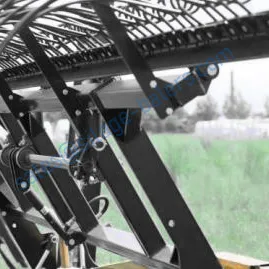
The core working principle of a silage baler is the coordinated operation of a series of interconnected mechanical devices to collect, compress, and package silage. This process begins with a cutting device, typically equipped with sharp blades, capable of precisely cutting the crop. This initial step is crucial because the quality of the cut affects the fermentation and nutrient retention of the silage.
Cutting Mechanism
Cutting mechanisms typically consist of rotating blades, and their designs vary widely, ranging from single-blade to multi-blade configurations. Advanced models employ technology that adjusts blade height and rotation speed according to crop type and moisture content. This adaptability ensures the crop is cut to the optimal length, promoting effective compaction and minimizing air pockets that could lead to rot.
Gathering and Feeding System
After harvesting, the hay is transported to the baling chamber via a collection system. This system is designed to efficiently transport hay and minimize losses. Feeding methods vary; some models use rollers, while others use screw conveyors to guide the hay into the baling chamber. Understanding the nuances of these systems is crucial, as poor feeding can lead to inconsistent bale sizes and increased machine wear.
Baling Chamber Dynamics
The baling chamber is the core component of a silage baler. Inside this space, hay is compressed into bales under high pressure. Different balers have different designs; some have fixed baling chambers, while others have variable dimensions, allowing operators to adjust the bale density as needed. The compression process is crucial; it determines the moisture content of the final product and influences the anaerobic fermentation process, which is essential for silage quality.
Types of Silage Balers
Silage balers can be broadly categorized into two types: round and square balers. Each type has its advantages and specific applications in the field.
Round Balers
Round balers are perhaps the most common type used in silage production. Their design allows for the formation of cylindrical bales, which are easier to handle and transport. The rolling process in round balers creates a tighter seal around the forage, enhancing its preservation by minimizing oxygen exposure.
Square Balers
Square balers, on the other hand, produce rectangular bales that are often preferred for specific storage solutions. The uniform shape allows for more efficient stacking and storage logistics. However, the baling process may require additional moisture management, as the flat surfaces can lead to increased exposure to air and potential spoilage.
Performance Optimization Techniques
Optimizing the performance of a silage baler involves several factors, including machine maintenance, operator training, and environmental conditions. Each element plays a critical role in ensuring that the baler operates efficiently and produces high-quality silage.
Maintenance Protocols
Regular maintenance is essential for any silage baler. This includes routine inspections of the cutting blades, feeding system, and baling chamber. Ensuring all components are clean and well-lubricated significantly reduces the likelihood of malfunctions and improves overall performance. Furthermore, sharpening the blades increases cutting efficiency, thereby improving the quality of the silage.
Operator Training and Best Practices
Untrained operators can severely impact the performance of silage balers. Training programs focused on the operational details of balers, including adjustments for different feed types and moisture contents, can significantly improve efficiency. Best practices also include real-time monitoring of the machine’s operation so operators can make immediate adjustments as needed.
Environmental Considerations
Weather conditions play a crucial role in silage production. Optimal humidity and temperature levels can facilitate effective fermentation and storage. Operators must be aware of these factors to time their baling operations effectively, ensuring the forage is harvested at the right stage for maximum nutrient retention.
Innovation in Silage Baler Technology
The agriculture industry is continually evolving with advancements in technology. Silage balers are no exception, with innovations that enhance efficiency, reduce waste, and improve the quality of forage.
Smart Baling Technologies
The emergence of smart technology has revolutionized the way silage is baled. Many modern balers are equipped with sensors that monitor various parameters such as moisture content and density in real time. This information allows operators to make informed decisions and optimize the baling process for specific crop conditions, thereby improving overall efficiency.
Eco-Friendly Practices
Sustainability is becoming increasingly important in agriculture. Many manufacturers are now focusing on eco-friendly designs that reduce fuel consumption and minimize emissions. These innovations not only benefit the environment but also lead to cost savings for farmers.
Conclusion: The Importance of Understanding Silage Balers
A thorough understanding of silage balers and their operation is crucial for maximizing productivity and ensuring high-quality livestock feed. As technology continues to advance, staying informed and adaptable is essential for farmers looking to optimize their silage production process.
Revelando a ciência por trás da otimização do desempenho das enfardadeiras de silagem.
In the field of agricultural machinery, the performance of silage balers has a significant impact on the production efficiency of silage. Understanding the complex science behind optimizing silage baler performance is crucial for maximizing yield and ensuring the effective preservation of nutrient-rich feed. This case study explores the transformative impact of advanced engineering design and performance metrics by comparing the performance before and after installing a state-of-the-art silage baler.
The Importance of Silage Quality
The quality of silage is directly related to livestock health and productivity. Nutrient preservation, fermentation efficiency, and moisture content are key factors determining the overall quality of silage. High-quality silage can increase milk production and promote livestock weight gain. Therefore, optimizing the performance of silage balers is not only about mechanical efficiency but also a core agricultural practice impacting the entire agro-ecosystem.
Initial Assessment: Pre-Installation Metrics
Prior to the installation of the new silage baler, we gathered critical data from the existing equipment. The previous model, while functional, exhibited several limitations:
- Average bale density: 600 kg/m³
- Moisture content retention: 70%
- Production rate: 25 bales per hour
- Operational downtime: 15% due to mechanical failures
These metrics outlined several inefficiencies that hindered productivity. The need for an upgrade became increasingly apparent, especially given the demands of modern agricultural practices.
Introducing the Advanced Silage Baler
The replacement baler introduced cutting-edge features designed to enhance performance. Key innovations included:
- Enhanced bale compression technology for improved density
- Automated moisture monitoring systems
- Advanced hydraulic systems for faster operation
- Durable, low-friction components to minimize wear and tear
Post-Installation Performance Metrics
After the installation of the new silage baler, we conducted a thorough analysis to gauge its impact on operational efficiency. The results were striking:
- Average bale density increased to 750 kg/m³
- Moisture content retention improved to 85%
- Production rate surged to 40 bales per hour
- Operational downtime reduced to 5%
These enhancements not only elevated productivity but also significantly improved the quality of the silage produced. The optimized moisture retention meant that fermentation processes occurred more effectively, leading to a higher nutritional value of the silage.
Analyzing the Science Behind the Optimization
To understand how these improvements were achieved, one must delve into the engineering principles that underlie the design of modern silage balers. The following factors played a pivotal role:
Bale Compression Technology
Enhanced bale compression technology uses advanced mechanical devices to apply uniform pressure to the entire bale. This innovation not only increases bale density but also ensures that silage is tightly compacted, minimizing air pockets that can lead to spoilage. The final product is more stable, and its nutrients are retained for a longer period.
Automated Moisture Monitoring
A major improvement in the new baler is its automatic moisture monitoring system. This technology allows operators to continuously assess the moisture content of the silage during the baling process. Maintaining optimal moisture content is crucial for effective fermentation, and this system ensures adjustments are made in real time.
Hydraulic Efficiency
The application of advanced hydraulic systems has revolutionized the speed and efficiency of silage balers. These systems enable faster work cycles and more responsive baling adjustments. The reduced time required per bale directly increases overall productivity, which is crucial during peak harvest season.
Durable Components
Durability was a key focus in the design of the new baler. By utilizing low-friction materials, wear and tear on the machinery is significantly reduced. This durability translates into lower maintenance costs and increased uptime, as the machinery requires fewer repairs and replacements.
Real-World Impact on Farming Operations
The impact of optimizing silage baler performance goes far beyond statistics. Farmers report significant benefits to their operations. Higher-quality silage provides better feed for livestock, leading to faster growth and increased milk production. Improved baling efficiency frees up farmers’ time for other essential tasks, boosting overall productivity.
Furthermore, the return on investment for new balers is substantial. Reduced operating costs and increased output significantly improve farmers’ profits. Farmers also note that the ability to produce higher-quality silage enhances their market competitiveness.
Future Trends in Silage Baler Technology
The future development prospects of silage baler technology are promising, with the potential for further innovation. As the agricultural sector increasingly embraces digital technologies, Internet of Things (IoT) devices are expected to be integrated into balers. Such technological advancements will enable remote monitoring and predictive maintenance, further optimizing performance and reducing operating costs.
Furthermore, a focus on sustainability may also drive innovations aimed at reducing environmental impact. This could include developing environmentally friendly materials and energy-efficient designs that align with sustainable agricultural practices.
A Final Note on Optimization
In conclusion, optimizing silage baler performance is a multifaceted task requiring an understanding of the mechanical, operational, and agricultural factors involved. By introducing advanced technologies and engineering designs, farmers can significantly improve productivity and silage quality. With continuous technological advancements, the potential for further optimization remains enormous, promising exciting developments in the agricultural sector.
Revelando a ciência por trás da otimização do desempenho das enfardadeiras de silagem.
In the field of agricultural machinery, the performance of silage balers has a significant impact on the production efficiency of silage. Understanding the complex science behind optimizing silage baler performance is crucial for maximizing yield and ensuring the effective preservation of nutrient-rich feed. This case study explores the transformative impact of advanced engineering design and performance metrics by comparing the performance before and after installing a state-of-the-art silage baler.
The Importance of Silage Quality
The quality of silage is directly related to livestock health and productivity. Nutrient preservation, fermentation efficiency, and moisture content are key factors determining the overall quality of silage. High-quality silage can increase milk production and promote livestock weight gain. Therefore, optimizing the performance of silage balers is not only about mechanical efficiency but also a core agricultural practice impacting the entire agro-ecosystem.
Initial Assessment: Pre-Installation Metrics
Prior to the installation of the new silage baler, we gathered critical data from the existing equipment. The previous model, while functional, exhibited several limitations:
- Average bale density: 600 kg/m³
- Moisture content retention: 70%
- Production rate: 25 bales per hour
- Operational downtime: 15% due to mechanical failures
These metrics outlined several inefficiencies that hindered productivity. The need for an upgrade became increasingly apparent, especially given the demands of modern agricultural practices.
Introducing the Advanced Silage Baler
The replacement baler introduced cutting-edge features designed to enhance performance. Key innovations included:
- Enhanced bale compression technology for improved density
- Automated moisture monitoring systems
- Advanced hydraulic systems for faster operation
- Durable, low-friction components to minimize wear and tear
Post-Installation Performance Metrics
After the installation of the new silage baler, we conducted a thorough analysis to gauge its impact on operational efficiency. The results were striking:
- Average bale density increased to 750 kg/m³
- Moisture content retention improved to 85%
- Production rate surged to 40 bales per hour
- Operational downtime reduced to 5%
These enhancements not only elevated productivity but also significantly improved the quality of the silage produced. The optimized moisture retention meant that fermentation processes occurred more effectively, leading to a higher nutritional value of the silage.
Analyzing the Science Behind the Optimization
To understand how these improvements were achieved, one must delve into the engineering principles that underlie the design of modern silage balers. The following factors played a pivotal role:
Bale Compression Technology
Enhanced bale compression technology uses advanced mechanical devices to apply uniform pressure to the entire bale. This innovation not only increases bale density but also ensures that silage is tightly compacted, minimizing air pockets that can lead to spoilage. The final product is more stable, and its nutrients are retained for a longer period.
Automated Moisture Monitoring
A major improvement in the new baler is its automatic moisture monitoring system. This technology allows operators to continuously assess the moisture content of the silage during the baling process. Maintaining optimal moisture content is crucial for effective fermentation, and this system ensures adjustments are made in real time.
Hydraulic Efficiency
The application of advanced hydraulic systems has revolutionized the speed and efficiency of silage balers. These systems enable faster work cycles and more responsive baling adjustments. The reduced time required per bale directly increases overall productivity, which is crucial during peak harvest season.
Durable Components
Durability was a key focus in the design of the new baler. By utilizing low-friction materials, wear and tear on the machinery is significantly reduced. This durability translates into lower maintenance costs and increased uptime, as the machinery requires fewer repairs and replacements.
Real-World Impact on Farming Operations
The impact of optimizing silage baler performance goes far beyond statistics. Farmers report significant benefits to their operations. Higher-quality silage provides better feed for livestock, leading to faster growth and increased milk production. Improved baling efficiency frees up farmers’ time for other essential tasks, boosting overall productivity.
Furthermore, the return on investment for new balers is substantial. Reduced operating costs and increased output significantly improve farmers’ profits. Farmers also note that the ability to produce higher-quality silage enhances their market competitiveness.
Future Trends in Silage Baler Technology
The future development prospects of silage baler technology are promising, with the potential for further innovation. As the agricultural sector increasingly embraces digital technologies, Internet of Things (IoT) devices are expected to be integrated into balers. Such technological advancements will enable remote monitoring and predictive maintenance, further optimizing performance and reducing operating costs.
Furthermore, a focus on sustainability may also drive innovations aimed at reducing environmental impact. This could include developing environmentally friendly materials and energy-efficient designs that align with sustainable agricultural practices.
A Final Note on Optimization
Optimizing the performance of silage balers is a multifaceted task that requires an understanding of the mechanical, operational, and agricultural factors involved. By introducing advanced technologies and engineering designs, farmers can significantly improve productivity and silage quality. With continuous technological advancements, the potential for further optimization remains enormous, promising exciting developments in the agricultural sector.
Revelando a ciência por trás da otimização do desempenho das enfardadeiras de silagem.
In the field of agricultural machinery, the performance of silage balers has a significant impact on the production efficiency of silage. Understanding the complex science behind optimizing silage baler performance is crucial for maximizing yield and ensuring the effective preservation of nutrient-rich feed. This case study explores the transformative impact of advanced engineering design and performance metrics by comparing the performance before and after installing a state-of-the-art silage baler.
The Importance of Silage Quality
The quality of silage is directly related to livestock health and productivity. Nutrient preservation, fermentation efficiency, and moisture content are key factors determining the overall quality of silage. High-quality silage can increase milk production and promote livestock weight gain. Therefore, optimizing the performance of silage balers is not only about mechanical efficiency but also a core agricultural practice impacting the entire agro-ecosystem.
Initial Assessment: Pre-Installation Metrics
Prior to the installation of the new silage baler, we gathered critical data from the existing equipment. The previous model, while functional, exhibited several limitations:
- Average bale density: 600 kg/m³
- Moisture content retention: 70%
- Production rate: 25 bales per hour
- Operational downtime: 15% due to mechanical failures
These metrics outlined several inefficiencies that hindered productivity. The need for an upgrade became increasingly apparent, especially given the demands of modern agricultural practices.
Introducing the Advanced Silage Baler
The replacement baler introduced cutting-edge features designed to enhance performance. Key innovations included:
- Enhanced bale compression technology for improved density
- Automated moisture monitoring systems
- Advanced hydraulic systems for faster operation
- Durable, low-friction components to minimize wear and tear
Post-Installation Performance Metrics
After the installation of the new silage baler, we conducted a thorough analysis to gauge its impact on operational efficiency. The results were striking:
- Average bale density increased to 750 kg/m³
- Moisture content retention improved to 85%
- Production rate surged to 40 bales per hour
- Operational downtime reduced to 5%
These enhancements not only elevated productivity but also significantly improved the quality of the silage produced. The optimized moisture retention meant that fermentation processes occurred more effectively, leading to a higher nutritional value of the silage.
Analyzing the Science Behind the Optimization
To understand how these improvements were achieved, one must delve into the engineering principles that underlie the design of modern silage balers. The following factors played a pivotal role:
Bale Compression Technology
Enhanced bale compression technology uses advanced mechanical devices to apply uniform pressure to the entire bale. This innovation not only increases bale density but also ensures that silage is tightly compacted, minimizing air pockets that can lead to spoilage. The final product is more stable, and its nutrients are retained for a longer period.
Automated Moisture Monitoring
One of the most significant advancements in the new baler is its automated moisture monitoring system. This technology allows operators to constantly assess the moisture levels of the silage during the baling process. Maintaining the optimal moisture content is crucial for effective fermentation, and this system ensures that adjustments can be made in real-time.
Hydraulic Efficiency
The application of advanced hydraulic systems has revolutionized the speed and efficiency of silage balers. These systems enable faster work cycles and more responsive baling adjustments. The reduced time required per bale directly increases overall productivity, which is crucial during peak harvest season.
Durable Components
Durability was a key focus in the design of the new baler. By utilizing low-friction materials, wear and tear on the machinery is significantly reduced. This durability translates into lower maintenance costs and increased uptime, as the machinery requires fewer repairs and replacements.
Real-World Impact on Farming Operations
The impact of optimizing silage baler performance goes far beyond statistics. Farmers report significant benefits to their operations. Higher-quality silage provides better feed for livestock, leading to faster growth and increased milk production. Improved baling efficiency frees up farmers’ time for other essential tasks, boosting overall productivity.
Furthermore, the return on investment for new balers is substantial. Reduced operating costs and increased output significantly improve farmers’ profits. Farmers also note that the ability to produce higher-quality silage enhances their market competitiveness.
Future Trends in Silage Baler Technology
The future development prospects of silage baler technology are promising, with the potential for further innovation. As the agricultural sector increasingly embraces digital technologies, Internet of Things (IoT) devices are expected to be integrated into balers. Such technological advancements will enable remote monitoring and predictive maintenance, further optimizing performance and reducing operating costs.
Furthermore, a focus on sustainability may also drive innovations aimed at reducing environmental impact. This could include developing environmentally friendly materials and energy-efficient designs that align with sustainable agricultural practices.
A Final Note on Optimization
Optimizing the performance of silage balers is a multifaceted task that requires an understanding of the mechanical, operational, and agricultural factors involved. By introducing advanced technologies and engineering designs, farmers can significantly improve productivity and silage quality. With continuous technological advancements, the potential for further optimization remains enormous, promising exciting developments in the agricultural sector.
editado por gzl